

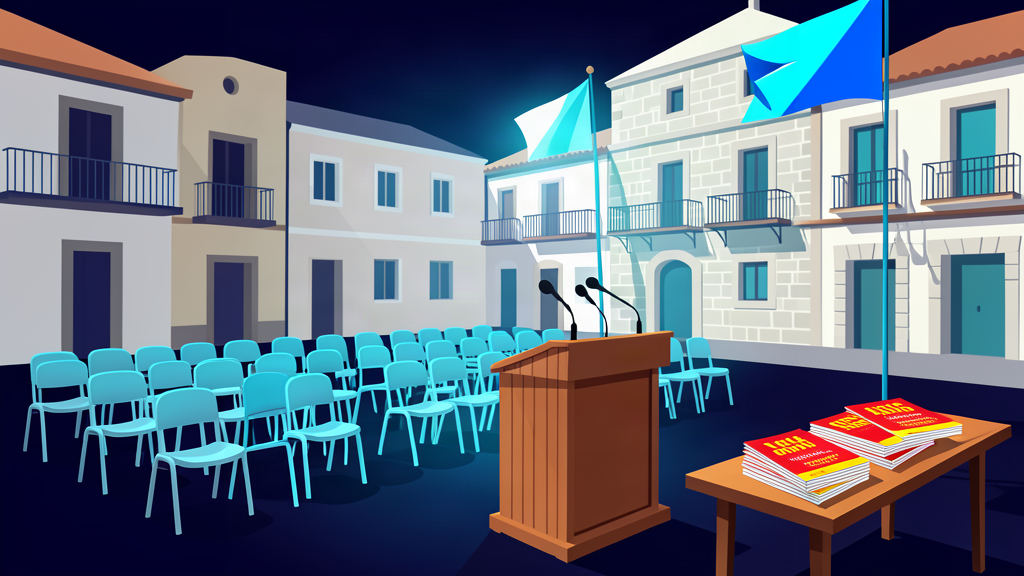
Spain heads into the final stretch of an election campaign in which Prime Minister Pedro Sanchez is fighting to confound the opinion polls while his rivals stake their hopes on a message of distrust. For UK readers, the outcome matters well beyond the Iberian peninsula: Spain is a major European economy and a central voice in EU debates on migration, defence spending and trade, so a change of government in Madrid would be felt in Brussels and, eventually, in London.
Final appeals on both sides
The BBC reported that Sanchez is using the closing days of the campaign to argue that the polls are wrong and that his side can still pull off a surprise. His main rivals, meanwhile, have accused him of not telling the truth and of ‘betrayal’, according to the same report. Al Jazeera described the Spanish leader as betting on a surge of left-wing voters who might not show up in conventional polling. Neither account sets out specific voting intentions in the material available here, and the claims made on the campaign trail are arguments advanced by the parties themselves rather than established findings.
That distinction is worth keeping in view. Election campaigns are designed to shape the news cycle, and a final rally is as much about motivation as policy. When a prime minister says the polls are wrong, he is asking supporters to turn out; when opponents talk of betrayal, they are trying to consolidate their own base. The BBC’s report captures the tone of the final pitch rather than a settled forecast, and this article does not treat either side’s characterisation as fact.
What the polling can and cannot say
Polls in any democracy offer a snapshot, not a prediction. They sample opinions at a moment in time and can miss late swings, particularly where a bloc of voters is undecided or traditionally less likely to turn out. The suggestion from Al Jazeera that Sanchez is counting on left-wing voters absent from the surveys illustrates the limits of that snapshot. Equally, a lead in the polls is not a mandate: translating votes into seats depends on electoral rules and on how support is distributed across regions.
For observers outside Spain, the danger is reading too much into a single headline number. The more useful question is what a government formed after the vote would actually do, on the economy, on Europe’s common policies, and on the issues that cross borders.
Why it matters
The UK has no direct stake in the result in the sense of choosing a government, but it has a substantial indirect one. Spain is a large trading partner and a weighty voice in the European Union, where decisions on migration, climate and defence are taken collectively. A Spanish government that changes direction can alter the balance of those conversations. For British businesses with exposure to European markets, and for travellers and expatriates, the practical effects of a new administration can arrive quickly. The campaign also offers a reminder of how European democracies handle political fragmentation, a subject with obvious echoes in British debate.

ADVERTISEMENT
What happens next
Attention now turns to the vote itself and to the arithmetic that follows it. The BBC reported the final pitches; any statement about the result will depend on what the ballots show. If no single party commands a clear majority, the next phase will be negotiation, with the shape of any coalition determining policy for months to come. For UK readers, the sequence to watch is straightforward: result, then talks, then the position the new government takes in Brussels. Until those steps are complete, the only defensible description of the election is that it is close and contested.





















We do not allow links of any sort in comments. No SPAM whatsoever. On topic comments only.