

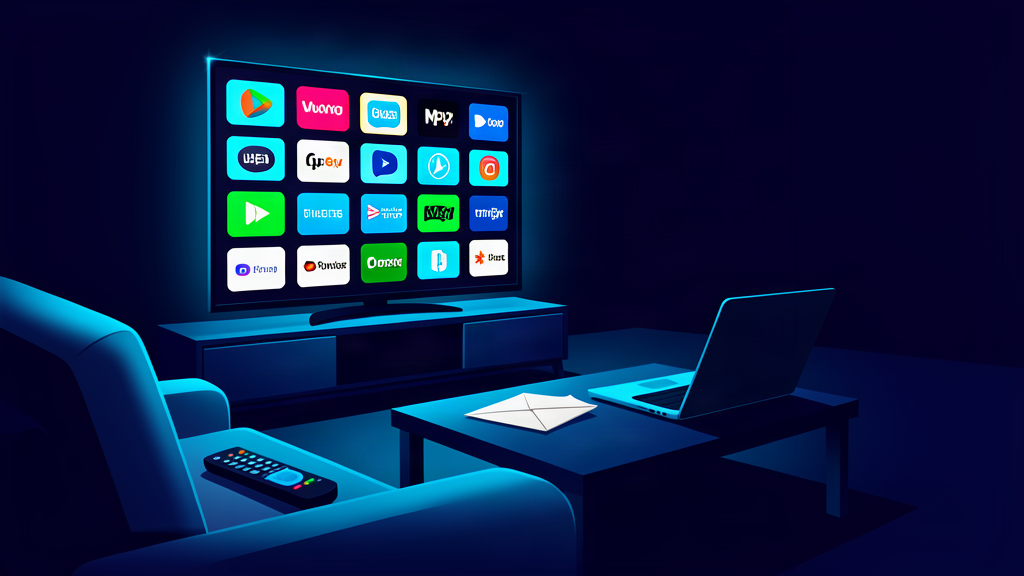
Ministers are considering extending the television licence fee to streaming services as a way of shoring up BBC funding, in a move that could bring in more than a billion pounds a year. The Register reported the proposal as an option under discussion rather than a settled policy. If pursued, it would rewrite the way Britain pays for public service broadcasting and would put a levy on services that many viewers now use instead of a traditional television set.
What is being considered
The Register reported that the government may apply the licence fee to streaming services, with the aim of bringing in more than a billion pounds annually. The logic is straightforward: the BBC is funded largely by a fee paid by households that watch live television, while audiences have moved towards on-demand platforms. Extending the charge to those platforms would broaden the base of payers.
Nothing in the material available here indicates that a final decision has been taken, or how such a charge would be structured. The details, which services would be included, who would collect the money, and how the rate would be set, would all require legislation and consultation. For that reason the proposal should be treated as a possibility raised in reporting, not as a new rule that has come into force.
Why the funding question keeps returning
The BBC’s funding model was built for an era in which most people watched broadcast television through a set in the home. That model has been eroded by streaming, by changing viewing habits and by the rising cost of producing content. Successive governments have looked for ways to close the gap, and each option has drawbacks. A levy on streaming services shifts the burden towards the companies that benefit from audiences, but it also raises the question of whether a fee attached to viewing should follow the viewer across platforms.
There is a further complication. If the charge were passed on to subscribers, households could end up paying both a traditional licence fee and a higher streaming bill. How that would be explained to the public is a political problem as much as a technical one.
Why it matters
For UK viewers, the decision would affect both the cost of watching television and the future of the BBC itself. The corporation produces news, drama, sport and children’s content that is used by people who never pay a licence fee directly. Whether that model can survive in its present form is the underlying issue. The UK also exports its public broadcasting model; a change in how it is funded would be studied by other countries facing the same shift from broadcast to streaming.

ADVERTISEMENT
What happens next
The next stage would be formal consultation and legislation if ministers choose to proceed. The Register reported the proposal; any announcement from the government, the BBC or the streaming companies would be a separate development. Viewers should be wary of treating the headline figure as a confirmed charge. For now, the honest summary is that the funding gap is real, the streaming levy is one of the options being discussed, and no final decision has been reported.

















We do not allow links of any sort in comments. No SPAM whatsoever. On topic comments only.