

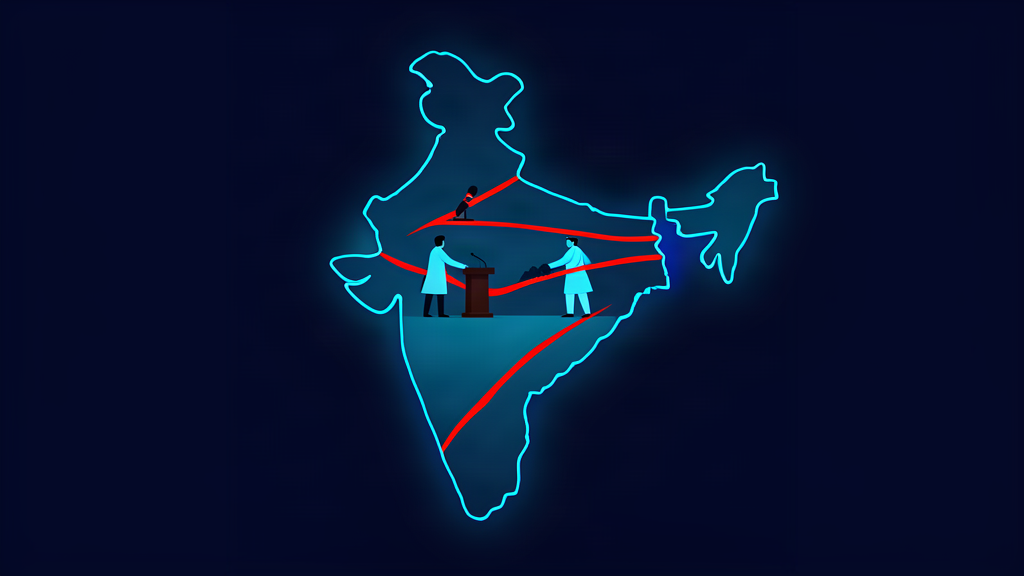
Bangladesh has lashed out at India for letting exiled former prime minister Sheikh Hasina address journalists in Delhi, dragging already strained ties to a fresh low with direct consequences for Britain’s large South Asian diaspora.
Bangladesh has accused India of giving a platform to ousted prime minister Sheikh Hasina by allowing her to address journalists in New Delhi, plunging an already difficult bilateral relationship to a new low and sharpening a diplomatic crisis with reverberations well beyond South Asia.
Why ties have collapsed
Dhaka labelled Hasina a “convicted genocider” and accused New Delhi of undermining efforts to repair relations after she vowed to return to Bangladesh in December, despite facing a death sentence on charges of “crimes against humanity”. The speech, delivered from Indian soil, was read in Bangladesh as a calculated provocation rather than a private exile’s quiet reflection on events.
Delhi’s balancing act
India has historically been Hasina’s staunchest regional backer, and her continued presence in Delhi complicates any reset with the interim government in Dhaka. New Delhi must weigh neighbourly pragmatism against the optics of sheltering a figure Bangladeshis have overwhelmingly rejected at the ballot box and in the streets during the uprising that ended her long tenure.
What it means for the UK
The row matters in Britain precisely because of people. The UK is home to one of the world’s largest Bangladeshi diasporas alongside a substantial Indian community, and tensions between the two states routinely spill into community life, social media and political campaigning in cities such as London, Birmingham and Bradford. A deterioration in Delhi-Dhaka relations can inflame divisions at home just as easily as it strains embassies abroad.
Trade, borders and the Bay of Bengal
Beyond sentiment, the dispute affects regional stability, migration pressures and supply chains that touch British businesses. The Bay of Bengal is an increasingly strategic corridor, and a breakdown in coordination between India and Bangladesh weakens collective leverage on everything from climate resilience to counter-trafficking and the security of vital shipping routes.

ADVERTISEMENT
An uncertain road ahead
Britain’s diplomatic stake
The Foreign Office has a direct interest in stability between the two neighbours, both of which are important partners for trade, development and security. London has historically maintained relations with governments in both Dhaka and Delhi, and prolonged friction complicates that balancing act. British diplomats will be watching closely for any spillover into community relations at home, where the diaspora’s ties to the subcontinent remain deeply felt and politically engaged.
With Hasina promising a December return and Dhaka demanding accountability, neither capital appears ready to climb down. For now the relationship sits at its coldest point in years, a reminder that the politics of the subcontinent are never contained by borders, and that decisions taken in Delhi and Dhaka are felt, intimately and immediately, on British high streets too. For the diaspora, the diplomatic chill is felt not in ministries but in family group chats and community halls across the UK.
Source: Original report. Rewrite for Your News Website.




















We do not allow links of any sort in comments. No SPAM whatsoever. On topic comments only.