

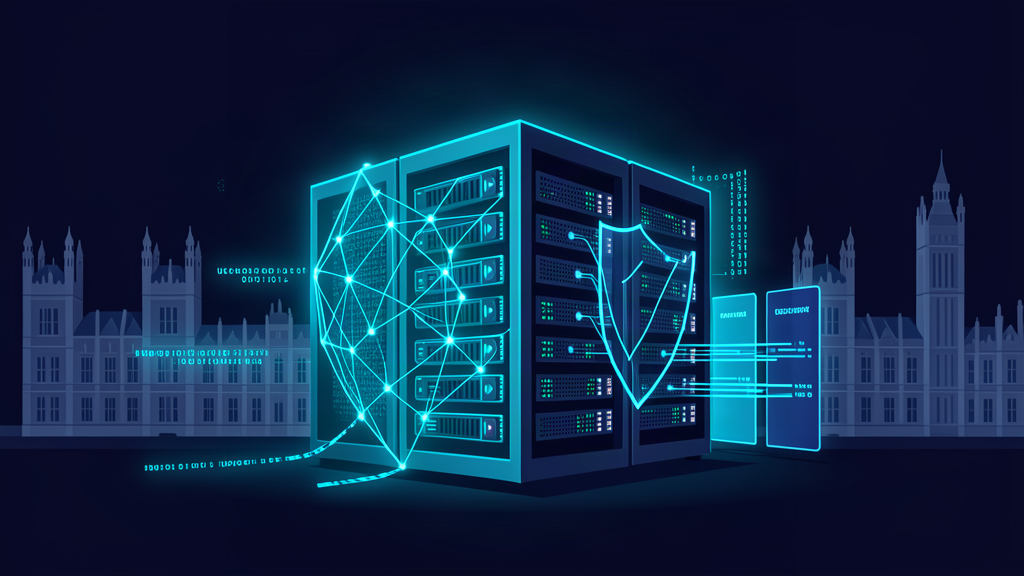
Digital Secretary and AI Minister Kanishka Narayan has warned that it is “likely” the UK’s cyber defences will be breached by hostile actors, as the government doubles down on artificial intelligence as a defensive tool. The warning, reported by BBC Technology, reflected growing concern that state-sponsored hackers and criminal networks are outpacing traditional IT security measures across British infrastructure. Narayan’s comments came during a closed briefing to the Joint Committee on Human Rights, where she was questioned about the government’s £2.5 billion investment in AI-powered cyber security announced in the spring budget.
Why it matters
A candid admission of vulnerability
BBC Technology noted that Narayan’s assessment — delivered during a parliamentary briefing — marked one of the most direct acknowledgements yet from a senior UK minister that a significant cyber attack on British systems is not a question of if but when. For IT managers in NHS trusts, energy grid operators and the owners of the thousands of small businesses that keep British high streets running, the warning landed at a moment when artificial intelligence is simultaneously being pitched as both the threat and the solution. The minister argued that AI-powered threat detection can identify anomalies faster than human analysts, potentially shaving hours or days off the window in which attackers lie dormant inside networks. That argument mattered to voters in constituencies from Cambridge’s science park to Edinburgh’s financial district, where jobs depended on the UK’s reputation as a safe and secure digital economy. Prime Minister Andy Burnham’s government has framed AI leadership as a post-Brexit economic opportunity, and the minister’s focus on defence — rather than only on cutting-edge research — signalled that the technology was being positioned as a shield as much as a sword.
What happens next
Parliament’s science and technology committee was expected to summon the Digital Secretary for further questioning once the autumn session fully resumed, and opposition parties had already signalled their scepticism about whether the promised AI tools are sufficiently mature to deliver the improvements ministers describe. For now, organisations across the public and private sectors are reviewing their own resilience plans, with particular attention to supply-chain vulnerabilities and the growing use of cloud services hosted by overseas providers. The National Cyber Security Centre has not issued new mandatory standards, but sources close to the briefing told the BBC that a refreshed code of practice for critical-infrastructure operators is likely by spring, with AI-based monitoring tools at its core. The minister’s honesty about likely breaches — rather than the usual government assurances of readiness — has been welcomed by some security researchers who argue that transparent acknowledgment is the first step toward genuine preparedness.
For ordinary citizens, the implications are already visible: banks are rolling out AI-driven fraud alerts, insurers are adding cyber cover to home policies, and employers from Birmingham tech firms to NHS hospitals are rolling out new authentication systems. The minister’s warning, while uncomfortably frank, has at least removed the pretence that British networks are impenetrable — a shift that security professionals say is long overdue.
Source: BBC Technology — AI minister warns ‘likely’ UK’s cyber defences will be breached







We do not allow links of any sort in comments. No SPAM whatsoever. On topic comments only.