


Andy Burnham has called on UK retailers to pull disposable barbecues from their shelves after an emergency Cobra meeting on the heatwave, as ministers admit only a skeleton team is working on climate adaptation.
Burnham demands retailers act as heatwave grips the UK
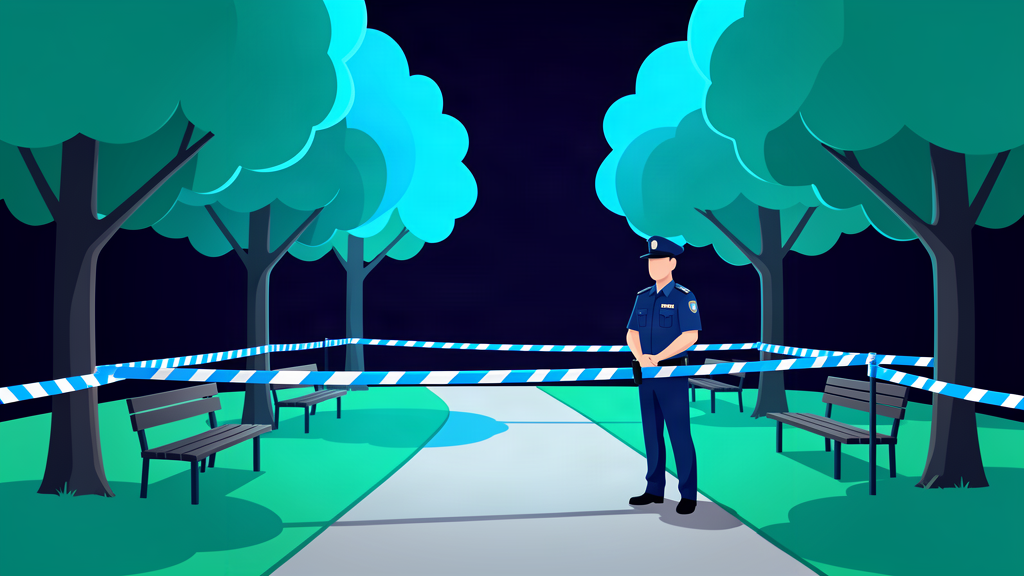
The Prime Minister used the aftermath of an emergency Cobra meeting to press supermarkets and hardware chains to stop stocking disposable barbecues, arguing that the cheap foil trays are a repeat cause of the moorland and grassland fires that have stretched fire crews across northern England. His intervention follows a summer in which parched countryside has ignited with alarming speed, and comes as the Prime Minister warned that extreme heat conditions “could be with us for some time yet”.
Several major UK retailers have already withdrawn the product voluntarily in recent years, but the market remains patchy: smaller convenience stores and seasonal pop-up displays continue to sell them, often within walking distance of open moorland and country parks. Burnham’s argument is that a voluntary patchwork is not enough when a single discarded tray can trigger a fire that costs the public purse millions and pulls crews away from house fires and road accidents.
What the Cobra meeting covered
The Cobra session brought together fire services, health officials and environment officers to review water resources, wildfire risk and pressure on hospitals from heat-related admissions. Ministers were told that the combination of prolonged dry weather, low reservoir levels and tinder-dry vegetation has created conditions in which small ignition sources escalate rapidly. Guidance to the public has focused on avoiding open flames in the countryside, checking on vulnerable neighbours and reducing non-essential water use.
Only 20 staff on climate adaptation
Perhaps the most striking detail to emerge was a freedom of information response revealing that just 20 staff are working on climate adaptation inside the Department for Environment, Food and Rural Affairs — the department responsible for protecting the environment and maintaining food security. Critics argue the figure is impossible to square with the scale of the task: adapting drainage, farmland, water supply and heat resilience in housing across an entire country.
Adaptation has long been the quieter half of UK climate policy, overshadowed by emissions targets and net zero deadlines. Yet the practical costs of failing to adapt — crop losses, burst infrastructure, hospital admissions and firefighting bills — are already landing on households and councils. Campaigners say the FOI figure hands them a simple, damaging number with which to press the government for a properly resourced adaptation programme.

ADVERTISEMENT
Why this matters for UK households
For ordinary consumers, the immediate impact is behavioural: expect more shops to quietly stop selling disposable barbecues, more fire service warnings on hot weekends, and tighter local restrictions on open flames in parks and country estates. For farmers and rural businesses, the pressure is heavier still, with grazing land degraded and water access rationed in some regions.
Burnham also confirmed he will return to Stevenage on 11 November, marking the new town’s 80th birthday alongside Remembrance Day commemorations — a reminder that even during a national heat emergency, the political diary rolls on.
The likely next steps
Expect the government to face further questions on adaptation staffing when Parliament returns, and for local authorities in wildfire-prone areas to press for statutory powers rather than voluntary appeals. Whether a formal ban on disposable barbecues follows remains uncertain, but the direction of travel is clear.
Source: Guardian World – original report
Source: Original report. Rewrite for Your News Website.

















We do not allow links of any sort in comments. No SPAM whatsoever. On topic comments only.