

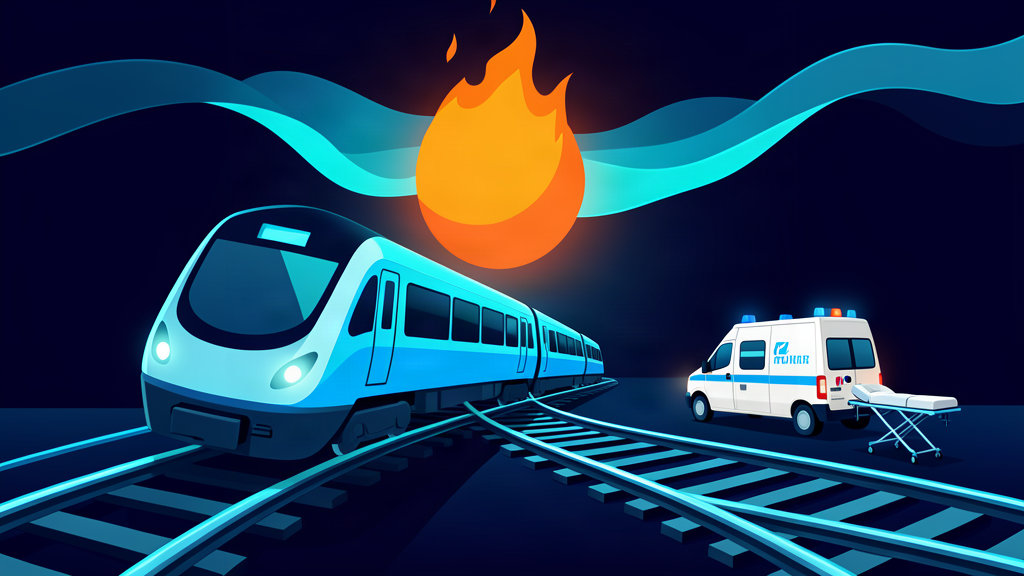
The rail operator has insisted that services remain safe in extreme heat after a passenger train derailed in East Sussex, leaving two people with serious injuries and prompting an investigation into the role of the UK’s record-breaking summer temperatures.
What happened at Lewes
The incident occurred on Thursday when a passenger train came off the tracks between Haywards Heath and Lewes. The South East Coast Ambulance Service said two people were taken to major trauma centres with severe injuries, while others were treated at the scene. Several routes through the area were closed as emergency crews worked to make the line safe and move the affected train.
A growing heatwave concern
The derailment has reignited debate about how Britain’s Victorian-era rail infrastructure copes with intensifying heat. Rails expand and buckle in high temperatures, and points and signalling can fail — hazards the industry has long managed but which climate change is making more frequent and severe.
The heatwave link
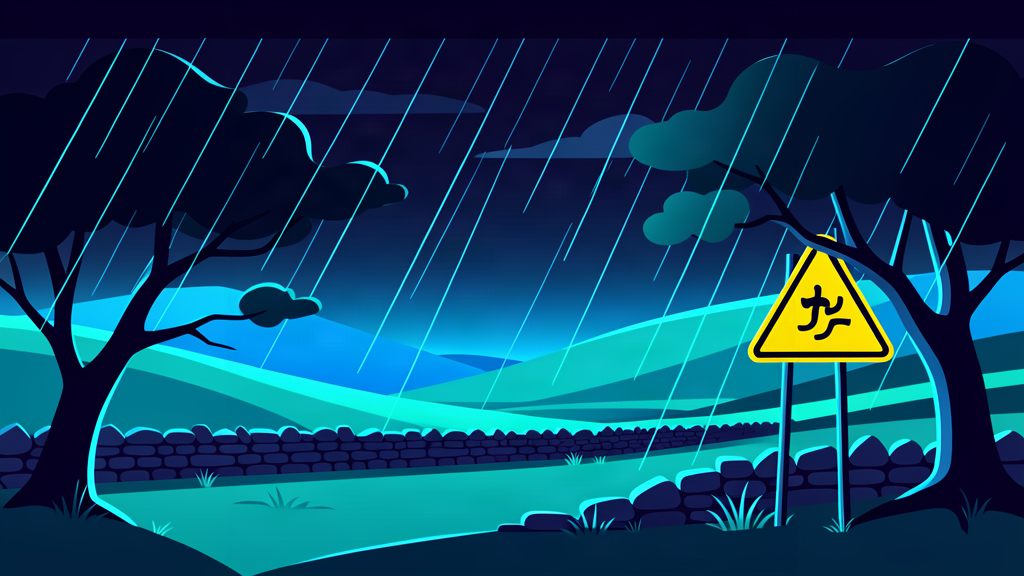
Britain is in the grip of another scorching spell, with temperatures pushing the limits of network design. Rail bosses acknowledge that heat-related speed restrictions are now a routine summer feature, but questions are being asked about whether investment in resilience has kept pace with the changing climate. An official investigation will examine whether track conditions contributed to the derailment.
Operator’s safety pledge
In the wake of the incident, the operator’s leadership moved quickly to reassure passengers, stating that trains are safe to travel and that robust procedures are in place during hot weather. Speed limits on vulnerable sections, enhanced track inspections and constant monitoring are among the measures cited. The company stressed that public safety remains the priority while the inquiry proceeds.
What passengers should expect
Travellers on affected lines should anticipate delays and replacement buses while repairs continue. The operator has urged passengers to check journeys before travelling and to follow guidance from staff on site. Compensation rules apply for significantly delayed services, and customer teams are handling queries from those caught up in the disruption.

ADVERTISEMENT
A wider infrastructure warning
The episode is a microcosm of a national challenge. From buckling rails to overheated signals, the heat is testing systems built for a cooler climate. As UK summers grow hotter, the cost of adapting roads, rails and power networks will rise — and so will the political pressure on government and industry to fund it before the next emergency.
Source: Original report. Rewrite for Your News Website.









We do not allow links of any sort in comments. No SPAM whatsoever. On topic comments only.