

A free vote, but a personal decision
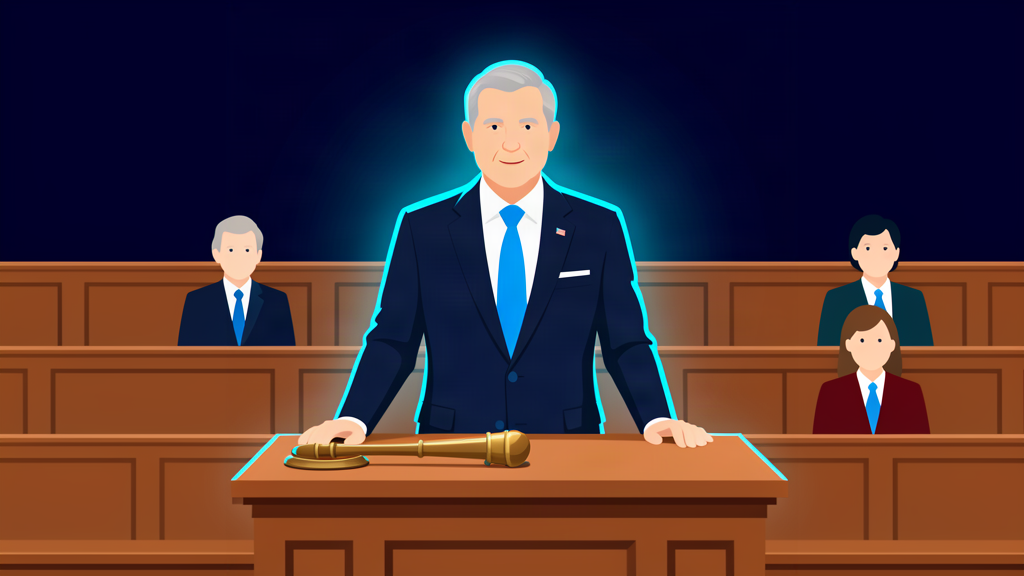
Prime Minister Andy Burnham has said he will not take part in a forthcoming House of Commons vote on legalising assisted dying in England and Wales, using a BBC interview to call for all views on the deeply divisive issue to be respected. The comments set the current occupant of Downing Street apart from his predecessor, Sir Keir Starmer, who has indicated he intends to vote when MPs decide the question in around two weeks’ time.
Where Starmer stands
The assisted dying legislation is expected to be treated as a free vote, meaning ministers and backbenchers alike are permitted to follow their conscience rather than a party whip. Burnham told the BBC that, for his part, he would abstain, describing the matter as one on which reasonable people, including within his own family and cabinet, hold fundamentally different positions. His decision means the Prime Minister will not be among those recorded either for or against the bill when the division bells ring.
What the vote would change
Sir Keir Starmer, the former prime minister, has signalled that he will take the opposite course and cast a vote. The contrast between the two men, one declining to participate and the other preparing to be counted, has drawn attention because both occupy prominent positions in national life and because assisted dying remains one of the most ethically charged subjects to reach the Commons in recent years. If passed, the legislation would alter the law in England and Wales to allow terminally ill adults, subject to safeguards, to seek assistance to end their lives.
Why it matters
Proponents argue it offers compassion and choice to those facing unbearable suffering, while opponents warn of pressure on vulnerable people and the erosion of protections for the disabled and elderly. That the Prime Minister has chosen to step back rather than lead from the front signals the government intends to treat the issue as a matter of individual conscience rather than settled state policy. It also removes the spectacle of a whipped government line and leaves the outcome genuinely in the hands of Parliament.
What happens next
MPs are expected to vote within the next fortnight. In the meantime, both sides of the campaign will intensify efforts to win over undecided members, and Burnham’s intervention is likely to be cited by those arguing that the conscience of the nation, not the authority of the executive, should settle the matter. The result will shape end-of-life law in England and Wales for a generation.
Source: Original report. Rewrite for Your News Website.













We do not allow links of any sort in comments. No SPAM whatsoever. On topic comments only.