


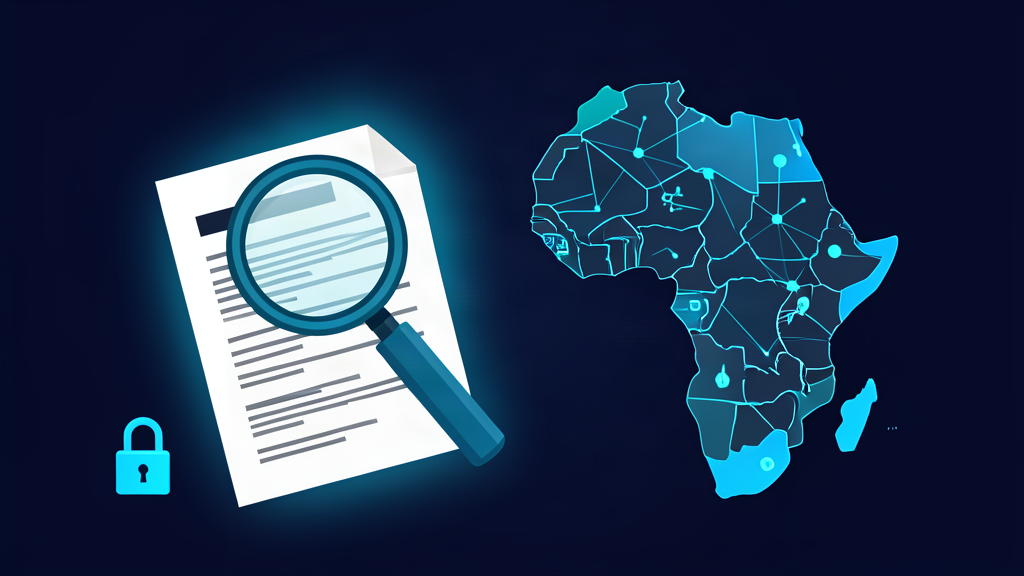
More than 80 people have been killed in mob violence fuelled by accusations of so-called genital theft across six African nations, the BBC has found after gathering data from those countries. Social media is playing a central role in spreading the rumours that trigger the attacks, according to the investigation.
The violence
Accusations of genital theft — the claim that individuals, often described as hired conspirators, are stealing or mutilating people’s genitals for supposed ritual or financial gain — have sparked deadly mob attacks in several African countries. The BBC’s data gathering across six nations found that more than 80 people have been killed in the violence that follows such accusations. Victims are frequently targeted by crowds that act on rumours before authorities can intervene.
The killings often follow a pattern: an accusation spreads rapidly through a community, sometimes amplified by social media posts and messaging groups, and a crowd forms to confront the accused. In several of the cases the BBC documented, those accused were beaten or killed before police could arrive, and in some instances the accusations appear to have been false or unverified.
Social media’s role
The BBC investigation highlights social media as a significant factor in how these accusations spread and escalate. Rumours that might once have remained localised can now travel quickly across communities and borders through platforms used for messaging, video sharing, and viral posts. The speed of that spread can make it harder for authorities and community leaders to verify claims and to calm tensions before violence breaks out.
The findings raise questions about how platforms are handling this kind of harmful content, and about the responsibilities of the people and groups who help circulate unverified claims. In several of the countries the BBC examined, local officials and civil society groups have been working to counter the rumours, but the volume and velocity of online content has made that work difficult.
The broader pattern
Accusations of genital theft are not new, but the BBC’s data suggests they continue to provoke lethal violence across a wide area. The fact that similar accusations are appearing in multiple countries points to a transnational worrying pattern rather than a series of isolated local events. In each case, the underlying rumour is that genitals are being stolen or mutilated — often for supposed ritual purposes — and that specific individuals are responsible.

ADVERTISEMENT
Officials and community leaders in the affected countries have at times tried to address the accusations through public awareness campaigns and police warnings, but the BBC’s findings indicate that the violence has continued. The death toll the BBC compiled — more than 80 across six nations — suggests the scale of the problem may be larger than any single country’s official figures reflect.
Why it matters
This investigation matters because it documents a pattern of lethal violence that appears to be spreading across national borders, with social media acting as an accelerant. The more than 80 deaths the BBC recorded are the visible tip of a larger problem: the violence is driven by rumours that can be false, and the victims are often people with little protection against a mob acting on a claim they have not had a chance to challenge.
The findings are also a reminder that the harm from online rumours is not abstract. In these cases, the spread of an accusation has been followed directly by death. That raises difficult questions about platform moderation, community resilience, and the speed at which local tensions can turn lethal when they feed on viral content.
What happens next
The BBC’s reporting is likely to increase pressure on authorities in the affected countries to take stronger action against those who incite or spread the accusations, and on platforms to respond more quickly to this kind of harmful content. In the longer term, the challenge is to reduce the flow of unverified claims before they reach the moment where a rumour turns into a mob.
In the immediate term, communities affected by these accusations remain vulnerable. The BBC’s findings suggest that unless the underlying drivers — the rumours, the trust gaps, the channels of amplification — are addressed, similar killings are likely to continue.


















We do not allow links of any sort in comments. No SPAM whatsoever. On topic comments only.