

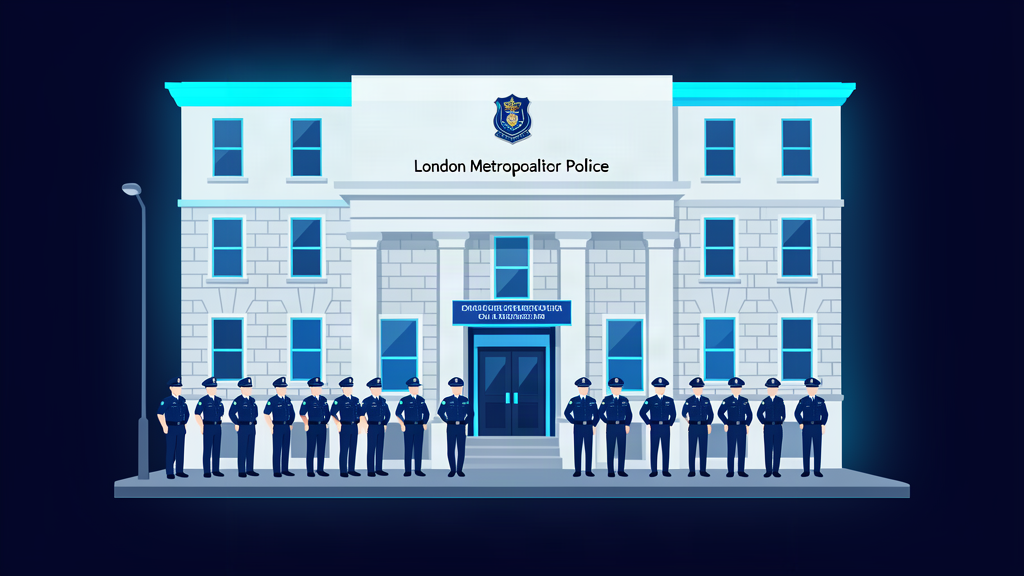
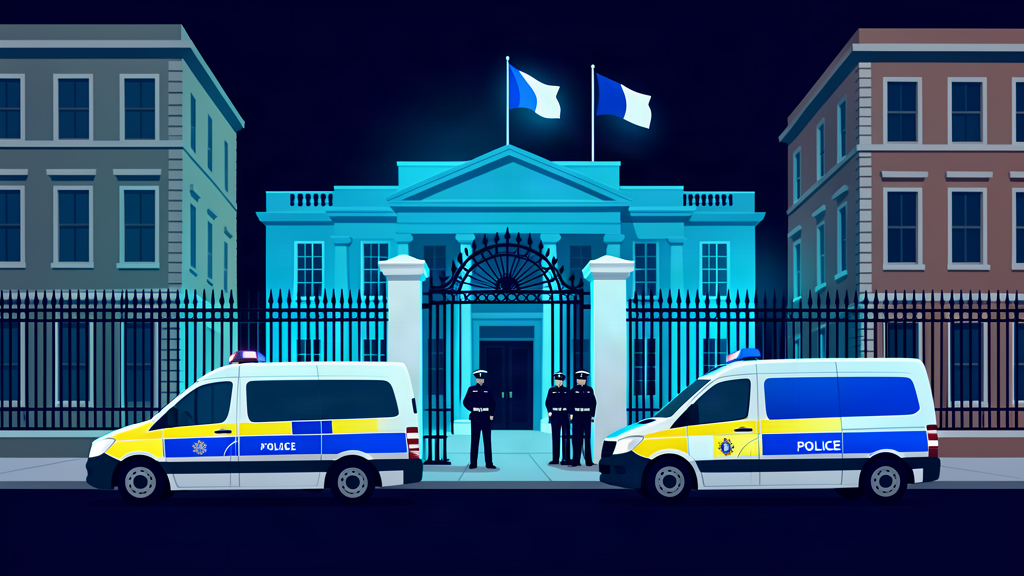
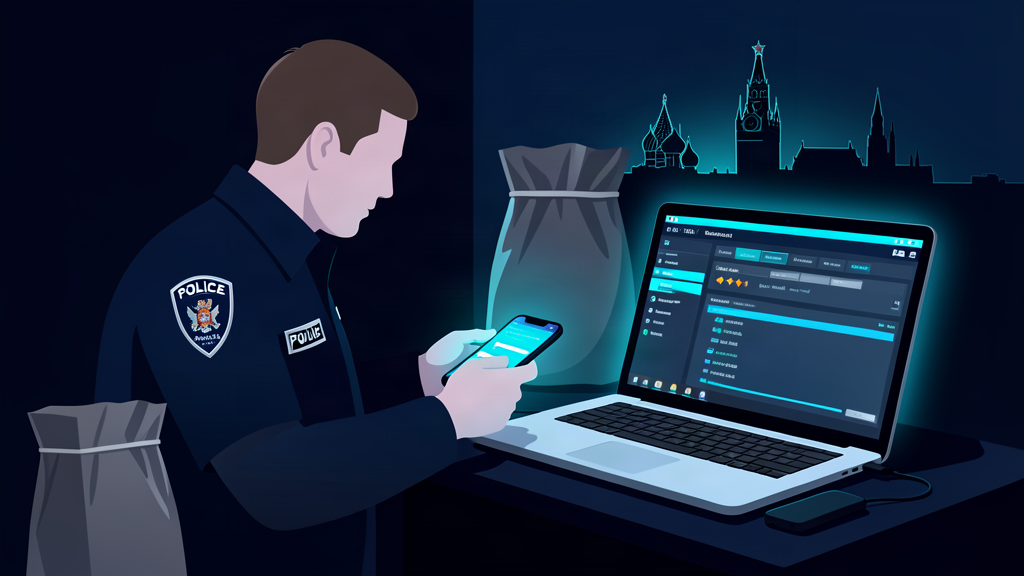
A thirteenth Metropolitan Police officer has been sacked following a hearing into his conduct during the filming of the Channel 4 documentary series Panorama at Charing Cross police station, the force has confirmed.
PC Mason O’Connor was dismissed after a conduct hearing found he had breached the standards of professional behaviour expected of a police officer. The Metropolitan Police said the decision followed a formal process rather than an immediate administrative departure, which means the case has gone through the structured disciplinary route that officers are entitled to under the police complaints and conduct system.
What happened at Charing Cross
The Panorama investigation filmed inside Charing Cross police station, one of the Met’s busiest custody environments, and the programme’s findings triggered a wider review of conduct and culture within the force. When a screening programme of that kind exposes alleged shortcomings, the Met typically responds by examining individual cases that fall within the scope of the programme’s reporting and by pursuing any conduct matters that emerge.
PC O’Connor’s hearing was part of that follow-through. A dismissal at the end of a conduct hearing is the most serious outcome short of criminal proceedings; it means a panel or chair concluded that the officer’s behaviour fell below the required standard and that the severity of the breach warranted removal from the service. The Met has not publicly set out the specific findings in this case in detail, which is common when the matter remains live or when the force is managing a series of related cases.
The significance of this particular dismissal is partly numerical. A thirteenth officer removed following the Panorama revelations is not a trivial count — it suggests that the screening of the station and the subsequent internal review identified a pattern rather than a single isolated lapse. That does not tell us what any individual officer did, but it does indicate that the process has produced multiple adverse findings.
Why it matters
Every conduct case matters on its own terms because it concerns the fitness of someone entrusted with police powers and the treatment of people in custody. But the count matters too, because a string of dismissals following a single investigation can indicate a deeper cultural or supervisory problem that the initial findings only partially captured.

ADVERTISEMENT
For the Metropolitan Police, the reputational stakes are high. The force is under sustained scrutiny from the public, the media, the courts, and oversight bodies. Each case that ends in dismissal after a high-profile investigation adds to the pressure on senior leadership to show that misconduct is being identified and dealt with, and that the force is not simply absorbing individual failures without response.
For the public, the relevant question is not simply whether one officer crossed a line, but whether the process for detecting that crossing works. A hearing that ends in dismissal shows the disciplinary machinery functioning; the ongoing concern is whether the same machinery would catch problems quickly enough in cases that do not become the subject of a television investigation.
What happens next
On the specific case, the dismissal stands unless and until any appeal is heard and determined. Officers who are dismissed have a right to seek review of the decision through the appropriate channels, and that process can take time. If there is no appeal, or if an appeal is unsuccessful, the dismissal is final and the officer leaves the service.
More broadly, the Met will continue to work through the consequences of the Panorama disclosures. That work includes any further individual conduct cases that emerge, any improvements to supervision, training, or custody procedures that the force determines are needed, and any engagement with oversight bodies or external review that follows.
The thirteenth dismissal is a milestone in the Met’s response to the programme, but it is unlikely to be the end of the process. Conduct cases of this kind tend to surface in sequences rather than all at once, and the full scope of the issues raised by the Panorama investigation may take time to work through.
Source: BBC News. This article is a rewrite for Your News Website and does not reproduce the original report verbatim. Read the original report at BBC News.





We do not allow links of any sort in comments. No SPAM whatsoever. On topic comments only.