

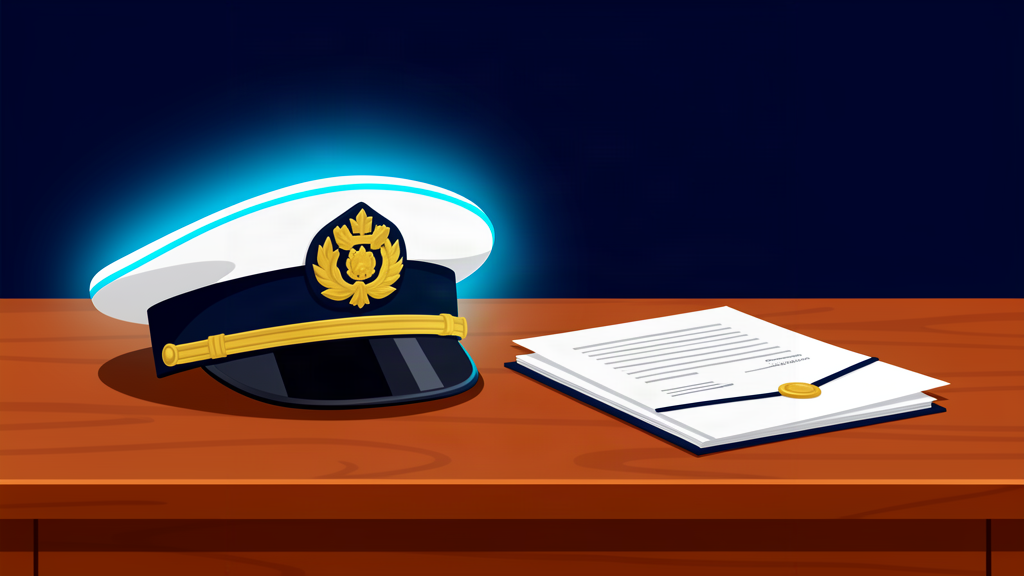
King Charles has warned that artificial intelligence presents an existential danger if it falls into the wrong hands, delivering the message at a summit in Scotland attended by senior figures from the technology industry. The remarks placed the King directly into one of the most consequential debates of the decade, drawing a clear line between the promise of AI and the harms that could follow if it is misused or left ungoverned.
The summit
The event brought together representatives from major artificial intelligence companies, including Nvidia, OpenAI and Anthropic, alongside policymakers and researchers. It was held in Scotland, positioning the UK and its devolved administrations as a venue for the international conversation about how to manage a technology that is reshaping industries, public services and the labour market. The presence of the King gave the gathering an unusual level of profile, signalling that AI governance is now treated as a matter of national and international importance rather than a specialist technical discussion.
His intervention came at a time when governments across the world are struggling to keep pace with the speed of AI development. The tools now available can generate text, images, code and other material at a scale that would have been unthinkable only a few years ago, and the same capabilities can be used to mislead, defraud or disrupt.
The warning
The King said there was an existential danger if AI were to fall into the wrong hands. The phrase pointed to a broad concern that spans sabotage, weaponisation, espionage and other forms of misuse, rather than any single threat. His language reflected the growing consensus among policymakers that the risks are not limited to one country or one sector, and that coordination between states and companies will be essential if those risks are to be contained.
That message carries particular weight when it comes from a head of state. It also underlines how far the debate has moved from the early days of AI, when the main question was what the technology could do, to a stage where the central question for many leaders is what must be done to prevent it from doing harm.
Why it matters
Artificial intelligence is increasingly woven into the systems that run modern life, from healthcare and transport to finance and defence. The King’s warning reflects a recognition that the same tools can be turned to damaging ends, and that the consequences could be severe if safeguards are not put in place. For the companies attending the summit, the message was unmistakable: the industry’s own future standing may depend on how seriously it takes the governance challenge.

ADVERTISEMENT
The UK has positioned itself as an active participant in the international AI conversation rather than a bystander. The summit in Scotland reinforced that effort, and the King’s words added a high-profile endorsement of the principle that AI should be developed and deployed responsibly.
What happens next
The summit is expected to feed into wider discussions about regulation, safety standards and international coordination on AI. How those discussions translate into binding rules will be tested over time, particularly if and when governments move from broad principles to specific requirements for the companies building and operating advanced models. For now, the King’s intervention has sharpened the public focus on the question of what “the wrong hands” might look like, and what would count as adequate protection against them.
Source: BBC News. This article draws on reporting from the BBC, which covered the summit and the King’s remarks.










We do not allow links of any sort in comments. No SPAM whatsoever. On topic comments only.