

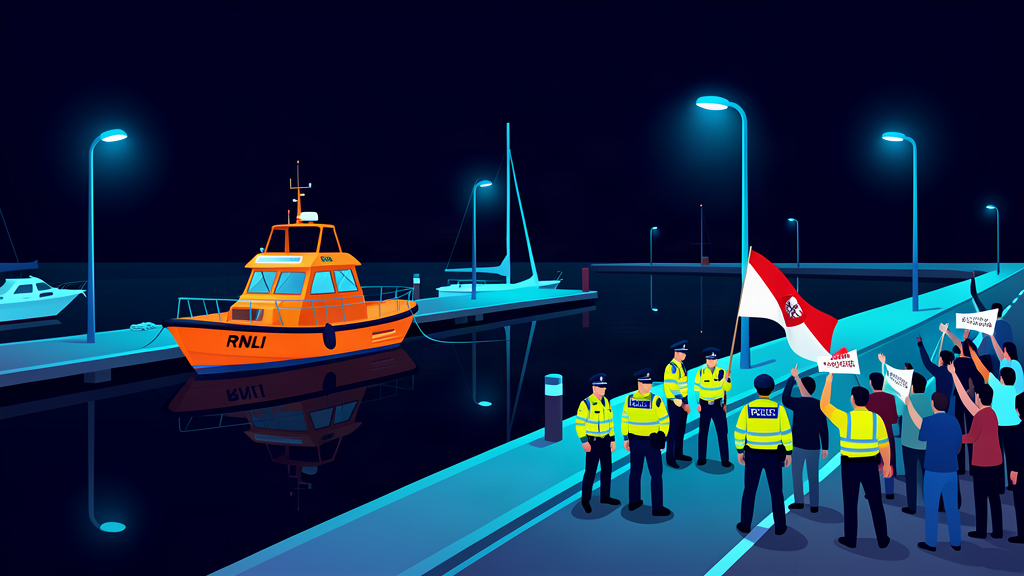
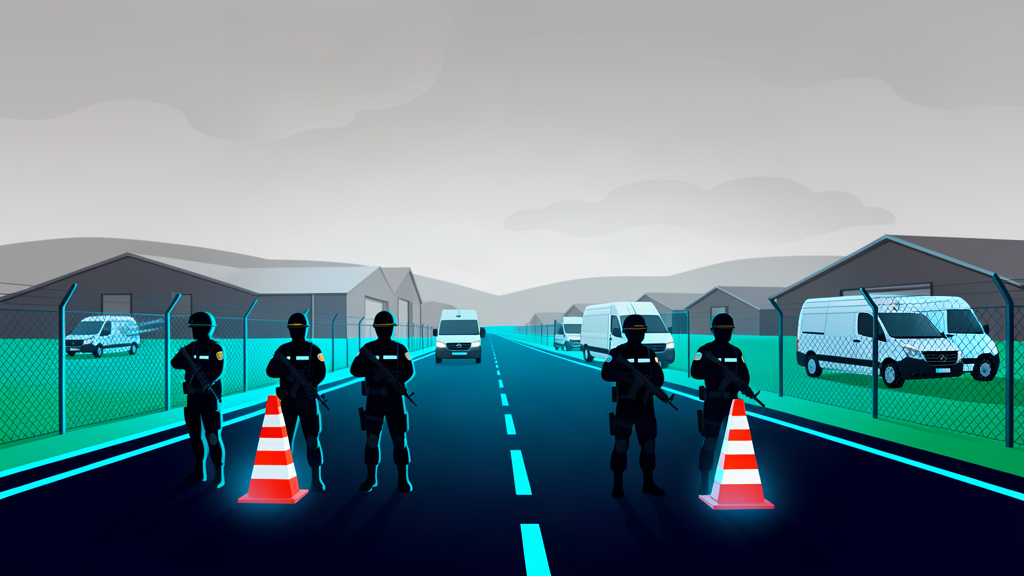
A stand-off between anti-migrant demonstrators and police ran into the early hours of Monday at a marina in Gosport, Hampshire, after a small boat carrying 149 migrants was brought ashore by the RNLI. Officers in hi-vis jackets formed a cordon along Haslar Road as around 150 protesters gathered to try to stop the group being landed, with scuffles breaking out after flares were set off. The Home Office confirmed the arrivals, who were taken by coach to a processing centre in Kent.
What happened in Gosport
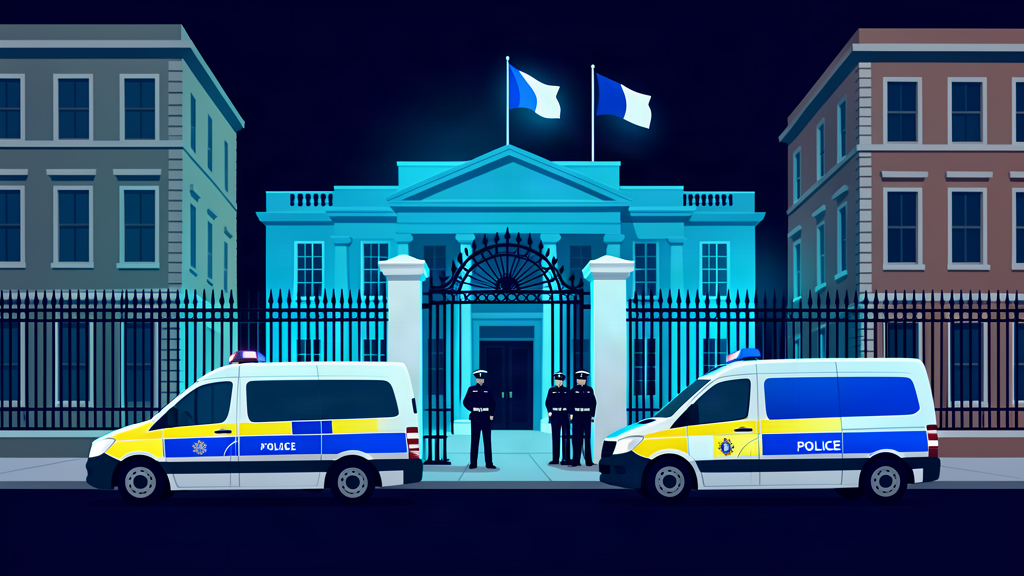
According to the BBC’s correspondent Duncan Kennedy, the atmosphere was largely peaceful for much of the evening, with some protesters standing in front of police vans to block them from advancing while chanting “shame on you” and “deport the lot”. Police officers were deployed to Haslar Road, and officers said they had been there to support partners in the event of an emergency at sea. Hampshire Police said it imposed conditions under the Public Order Act as well as powers prohibiting the wearing of face coverings.
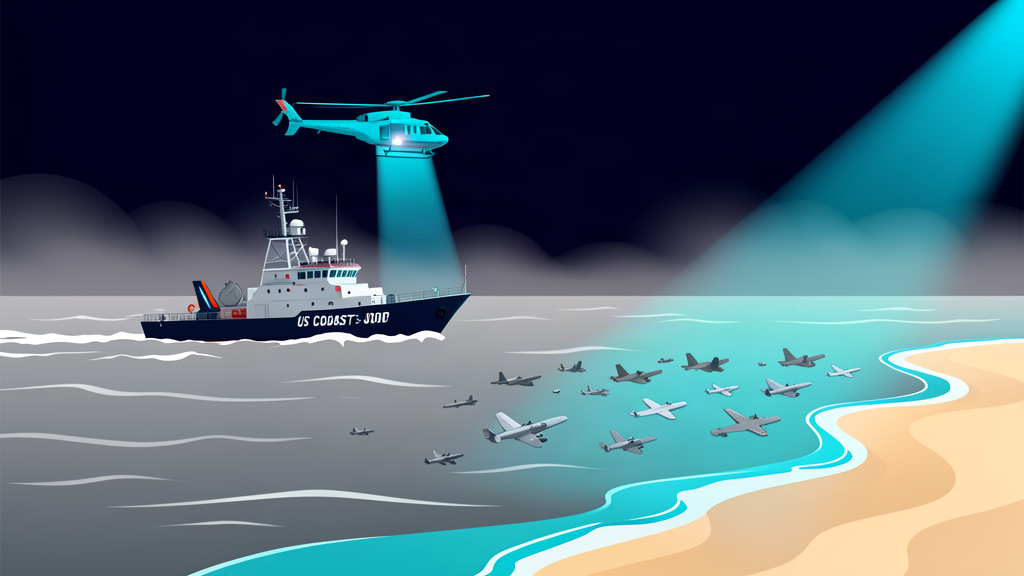
The migrant dinghy appears to have set off from near Utah Beach in Normandy on Sunday morning, according to ship tracking data. It was the third crossing in a month. The boat had been picked up in a mid-Channel rescue operation by the RNLI alongside a French vessel, and the passengers were landed at Gosport before being moved on by coach. It is the second known landing of large numbers of migrants this far west along the south coast in recent years.
Crossings down year on year
The Home Office said the Border Security Command works around the clock to monitor the Channel, and that it remains vital to detain, check and process every small boat arrival. According to the BBC, 19,451 people have been recorded as crossing the Channel in small boats so far this year, a figure 43% lower than the same point last year and 23% below the equivalent stage of 2024.
Even with those falls, the south coast has become an increasingly flashpoint. Last month, more than 100 migrants landed at Eastney in Portsmouth, prompting further scuffles between police and demonstrators, with 51 people later taken to Dover by sea. Gosport sits a few miles from Portsmouth, in a stretch of coastline that local campaigners have repeatedly argued is poorly served by the current arrangements for receiving arrivals.
Why it matters
Two things are happening at once here. The first is the continuing logistical shift in Channel crossings, with vessels now appearing further west than the traditional concentration around Dover and Folkestone. That stretches police and coastguard resources across a much longer coastline, and it puts arrivals in communities that have not previously had the volume of asylum processing activity that Kent and Sussex have seen.

ADVERTISEMENT
The second is the policing of protest itself. A Home Office spokesperson’s emphasis on detaining and processing every arrival lands in a context where a significant part of the public reaction to those arrivals is now organised around physically obstructing the landings. Conditions under the Public Order Act and bans on face coverings are the legal tools available to manage that.
What happens next
The 149 arrivals will be processed in Kent, and asylum claims will be determined through the usual routes. Police will likely review the conduct of both the protesters and the response, with attention to whether the Public Order Act conditions were correctly applied and imposed. For campaigners on both sides, Gosport is unlikely to be the last such scene this year: with crossings down but not over, the argument over where boats land, and who controls the landing, is only going to get louder.














We do not allow links of any sort in comments. No SPAM whatsoever. On topic comments only.