

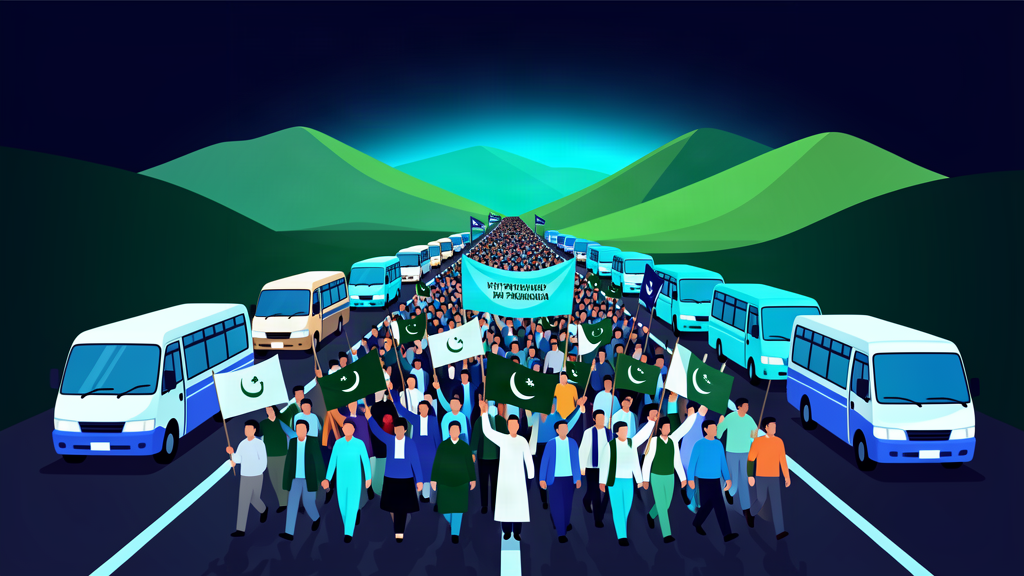
Supporters of jailed former Pakistani prime minister Imran Khan set off on a protest march from Pakistan’s north-west on Sunday after two rounds of weekend talks with the government failed to break the deadlock. More than 5,000 people were reported to have joined the rally, which was organised by Khan’s Pakistan Tehreek-e-Insaf party.
A delayed march becomes a real one
The march was originally scheduled for 27 September but was postponed until 4 October to allow talks between the government and the PTI leadership to take place. With those talks failing, the party carried out its plan, the latest attempt to pressure the government into releasing Khan, who according to polls remains the country’s most popular political figure. He has been behind bars since August 2023 following convictions that his party calls politically motivated, and all but one of those convictions have since been suspended or overturned on appeal.
Videos posted on the party’s official social media showed supporters joining the march in different areas of Khyber Pakhtunkhwa province, which the party rules, and setting off in convoys.
Route and the government’s preparations
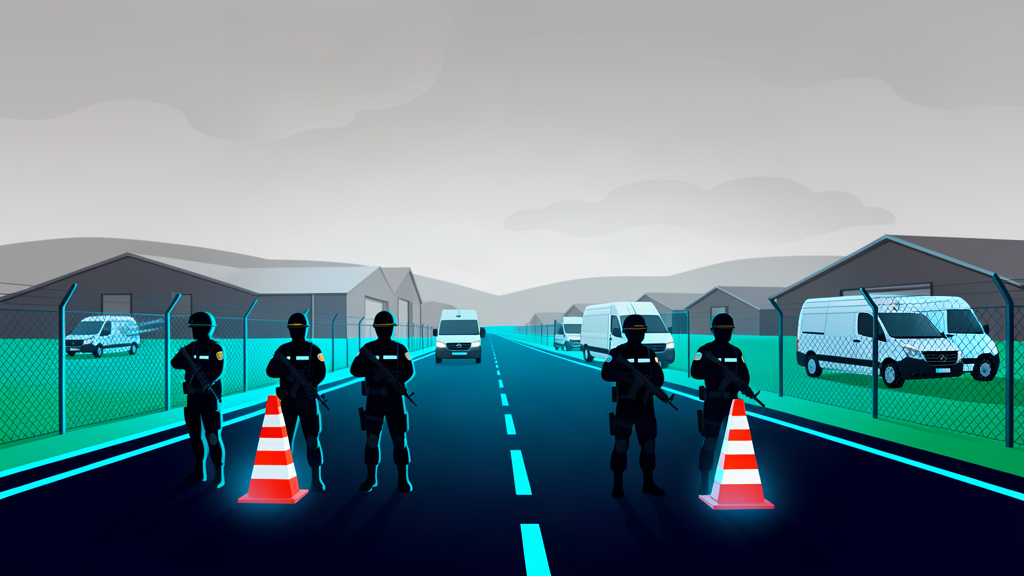
Sohail Afridi, the region’s chief minister, posted on social media that the demonstration would go ahead and that the march would make its way to Khairabad, 80 kilometres west of Islamabad, by Thursday, where the plan for the next phase will be announced. The government has been preparing for weeks for the arrival of demonstrators in the capital, erecting barriers using shipping containers to block main access routes.
That approach is expensive. Reporting on the barriers points to a cost for Pakistan’s capital and its haulage and trucking sectors, with businesses bearing the disruption of a long standoff on the approaches to Islamabad.
Why Khan’s health matters
Concerns about the 73-year-old’s health, particularly the condition of his right eye, which has required months of specialist treatment, have driven the party’s campaign for his release. The party has also called for the release of Khan’s three sisters, whose arrests last month further heightened tensions.

ADVERTISEMENT
Why it matters
James Dorsey, a fellow at the National University of Singapore, said Khan is essentially a populist leader with a genuine popular movement and broad popular support, which is behind the government’s determination to prevent protesters entering Islamabad. Given Pakistan’s security concerns, particularly following its unresolved February 2026 conflict with Afghanistan, Dorsey said Islamabad wants to avoid escalation, adding that it is a problem for the government but not an existential threat.
That matters because the march is a test of whether the government can absorb mass domestic mobilisation while managing a live border conflict, without either backing down and setting a precedent or cracking down hard enough to turn a political protest into something broader.
What happens next
The immediate question is whether demonstrators reach Islamabad, and whether the container barriers hold. Any attempt by the PTI to move beyond Khairabad on Thursday would put the government’s security preparations directly on the line, with the next phase of the campaign still to be announced. Whether talks resume, and whether any conviction is revisited, will determine whether the march ends in a stand-off or an escalation.
















We do not allow links of any sort in comments. No SPAM whatsoever. On topic comments only.