

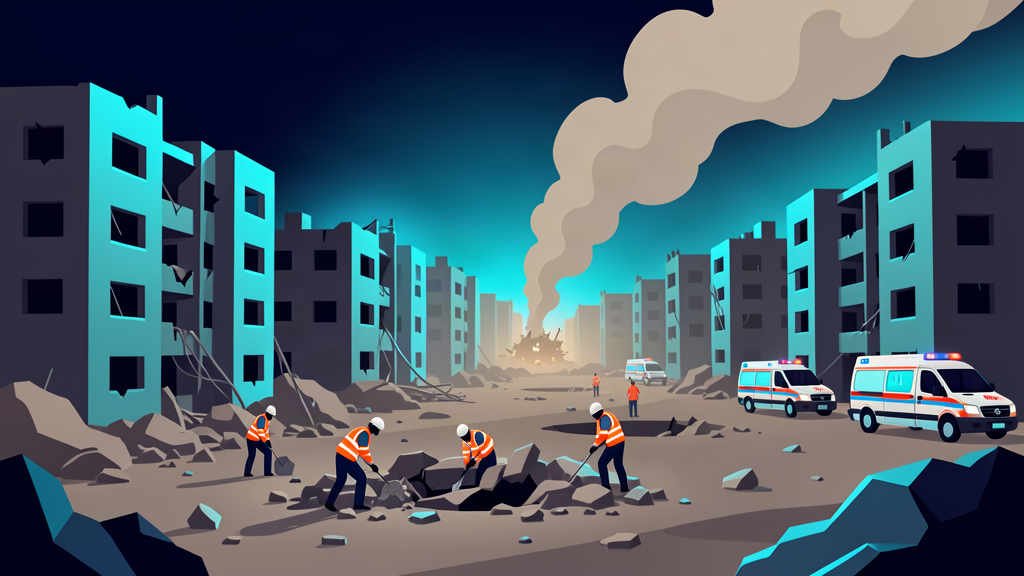
Israeli air strikes and gunfire have killed at least four Palestinians in the Gaza Strip, including a teenage boy and a married couple, in the latest escalation that has drawn fresh condemnation from Prime Minister Andy Burnham and international aid organisations.
Latest violence
The casualties were reported in the Jabalia refugee camp and the Khan Younis area, where the Israeli Defence Forces said it was targeting Hamas operatives. The military confirmed that the strikes were carried out from the air and by drones, and said all targets were “terrorist infrastructure” — claims that the health ministry in Gaza disputes.
A 17-year-old boy and a 15-year-old girl were among those killed, according to the Palestinian Red Crescent, which treated survivors for shrapnel wounds. A married couple in their thirties were also confirmed dead at a local hospital.
UK response
Prime Minister Andy Burnham condemned the deaths of civilians and called for an immediate de-escalation, repeating the UK’s position that any Israeli military action must be proportionate and lawful. A Downing Street spokesperson said Mr Burnham is considering a further tightening of the government’s existing arms export controls on weapons that could be used in Gaza.
The Foreign Office confirmed that it is coordinating with partners on a humanitarian aid corridor, and that British charities have appealed for £20 million to support emergency medical supplies reaching the territory.
Humanitarian toll
The UN’s Office for the Coordination of Humanitarian Affairs reports that over 40,000 people have been displaced within Gaza since the escalation began three weeks ago, with shortages of clean water, medicine, and electricity affecting the entire population of two million.

ADVERTISEMENT
Médecins Sans Frontières has evacuated its international staff but continues to operate surgical units through local medics, describing the medical situation as “critical” after major hospitals came under fire.
Why it matters
The cycle of violence in Gaza has global resonance, shaping diplomatic relations between the UK, the US, and regional powers including Iran. For British citizens, the conflict influences security policy, energy prices, and migration flows. The deaths of children in particular have mobilised protests across UK university campuses, reflecting the depth of public feeling about the civilian cost of the fighting.
What happens next
Emergency sessions of the UN Security Council are scheduled for tomorrow, where the UK — alongside European allies — is expected to propose a resolution calling for an indefinite humanitarian pause. Israel’s Security Cabinet meets tonight to decide on the next phase of operations. Aid agencies warn that the window for delivering supplies is narrowing, and the Foreign Office has recalled its ambassador to Israel for consultations. Prime Minister Burnham is expected to make a statement to the Commons on Thursday.

















We do not allow links of any sort in comments. No SPAM whatsoever. On topic comments only.