


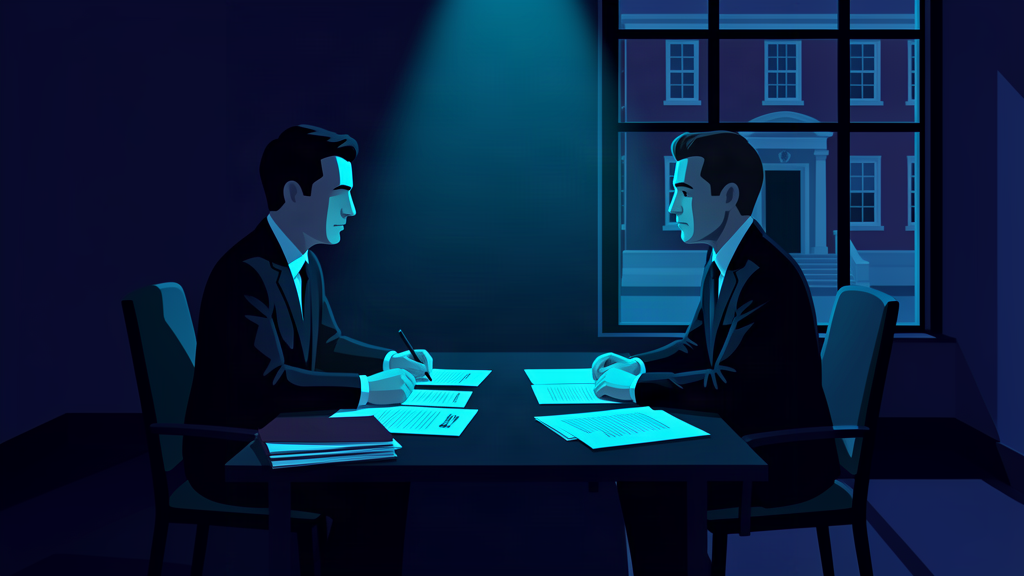
The Earl of Spencer, the brother of Diana, Princess of Wales, has said the Prince of Wales “went ballistic” during a phone call in the immediate aftermath of Diana’s death in 1997.
New claims about a royal family in turmoil
In an interview with the BBC’s Laura Kuenssberg, Earl Spencer discussed claims he has made in a new book about the days following the death of Diana in a car crash in Paris. The interview revisits one of the most painful and closely scrutinised periods in modern British royal history, and it sheds light on the tensions that engulfed the royal family in the hours and days after the news broke.
The phrase “went ballistic”, used by Earl Spencer to describe the Prince of Wales’s reaction, points to a moment of high emotion at the heart of the institution. The Philipps family, the wider royal household, and the British public were all processing the shock of Diana’s death at the same time, and the pressure on those closest to her — and to the institution she had dramatically distanced herself from — was immense.
A royal family under a microscope
Diana’s death in August 1997 was a defining moment for the monarchy. The public response was immediate, vast, and deeply emotional, and the royal family’s initial handling of the aftermath drew intense criticism. Earl Spencer’s account adds a new layer to the story of how the family navigated that crisis, and in particular how the relationship between Diana and her former husband, the Prince of Wales, played out at the most difficult possible moment.
The recollection of a furious phone call is significant not just for what it says about the Prince of Wales but for what it reveals about the strain within the family itself. In the immediate aftermath of a tragedy on that scale, private conversations become part of the historical record, and accounts from close relatives carry particular weight.
Why it matters
The public remains deeply interested in the story of Diana, Princess of Wales, and in the inner dynamics of the royal family at the time of her death. New first-hand accounts from those who were there — particularly from her brother, who gave the eulogy at her funeral and has remained one of her most prominent relatives — are likely to attract widespread attention.

ADVERTISEMENT
The interview lands more than a quarter of a century after the events it describes, at a time when the monarchy continues to contend with questions about how it communicates with the public and how it manages its private grief in public. The story of Diana’s death and its aftermath remains closely tied to those broader questions.
What happens next
The publication of Earl Spencer’s book is expected to keep the story in the news cycle, with further extracts, interviews, and historical reflections likely to follow. For the BBC and other broadcasters, the interview represents a significant moment in the ongoing public retelling of the Diana story, and it may prompt fresh discussion about the role of royal relatives in shaping the narrative of the family’s most painful episodes.
Source: BBC News. The claims are made by Earl Spencer in a new book and discussed in an interview with the BBC’s Laura Kuenssberg.












We do not allow links of any sort in comments. No SPAM whatsoever. On topic comments only.