

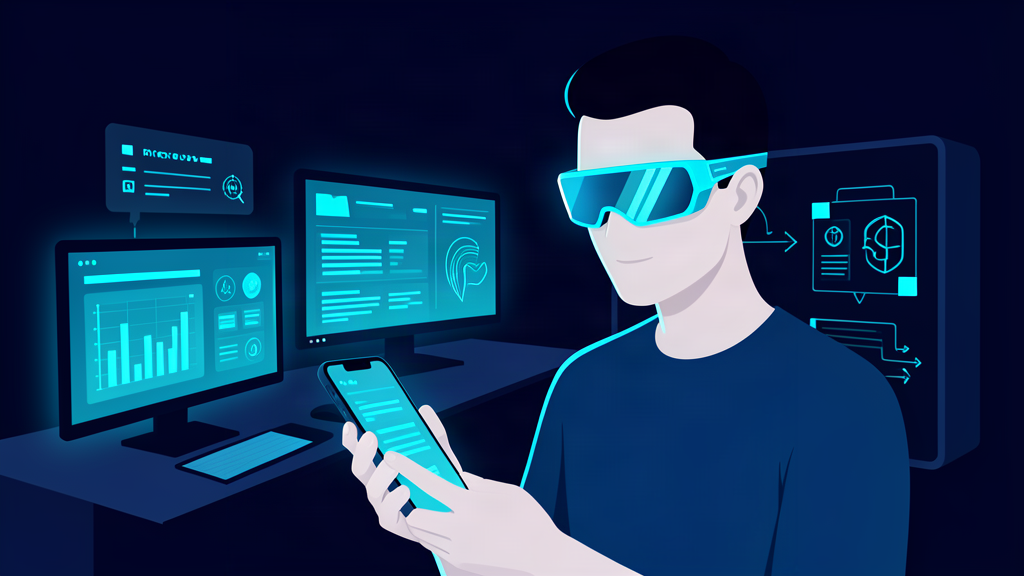
As Australia considers whether to bar the use of smart glasses in government offices, the BBC has asked people in Sydney what they think about the idea of restricting a technology that blends computing power with wearable eyewear. The debate touches on familiar tensions between privacy, productivity, and personal freedom, and it is one that will not be confined to Australia.
The Technology
Smart glasses are wearable devices that look much like ordinary spectacles but incorporate cameras, displays, microphones, and connectivity to smartphones or the internet. They can capture what the wearer sees, overlay information on the user’s field of view, and in some models record audio and video without obvious external indication that they are doing so. Manufacturers market them for everything from hands-free work instructions to notification display and augmented reality experiences.
The technology has advanced rapidly in recent years, with several consumer and enterprise products now available. Proponents argue that smart glasses can improve efficiency in settings where workers need both hands free and quick access to information. Critics, however, raise concerns about the privacy implications of arguably the most surveillance-friendly wearable yet developed.
The Privacy Concern
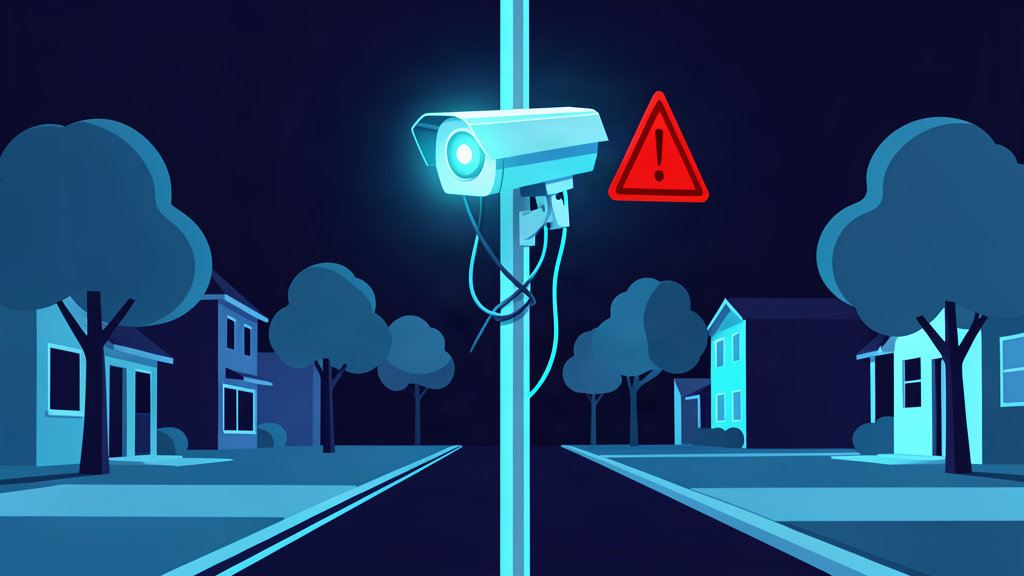
The central worry is that smart glasses make surveillance easy and discreet. A person wearing a pair can record video of their surroundings without the sort of obvious device that a smartphone or camera presents. In an office, a cafe, or a public building, that raises questions about the consent of people who may be recorded without their knowledge.
Existing laws in many jurisdictions were drafted before smart glasses became mainstream, and they do not always provide clear guidance on when covert recording via wearable devices is permissible. In workplaces, the issue is compounded by questions of employer surveillance, employee privacy, and the blurring of professional and personal use of the same device.
Government Offices and the Ban Proposal
The proposal to restrict smart glasses in Australian government offices reflects a precautionary approach: if the technology creates privacy risks that are difficult to manage, the simplest response may be to exclude it from sensitive environments. Government offices handle confidential information, host private conversations, and contain identifiable citizens, making them a setting where the privacy stakes are particularly high.

ADVERTISEMENT
Those opposed to a ban argue that it is heavy-handed and that better solutions lie in clear policies governing when and how smart glasses may be used, combined with technical safeguards such as visible indicators when recording is active. They also point out that many other devices, including smartphones, can capture images and audio, so singling out smart glasses may be misplaced.
Why It Matters
The Australian debate is a bellwether for a broader global conversation. Smart glasses are likely to become more common as the technology matures and prices fall. Governments, businesses, and the public will increasingly need to decide where the devices are welcome and where they are not. Decisions made in Australia about government offices could influence policy in other countries, including the UK, where similar questions about wearable surveillance are beginning to surface.
The issue also sits at the intersection of technology regulation and personal liberty. How societies answer the question of whether smart glasses should be restricted in certain settings will reveal a great deal about how they balance innovation with privacy, and whether they treat new technologies with caution or deference.
What Happens Next
In Australia, the debate will continue as policymakers weigh the proposed ban against alternatives such as controlled use and clear signage. Public opinion, as captured by the BBC’s street interviews and similar exercises, will be one factor in that decision. Elsewhere, businesses and institutions that have already begun allowing or prohibiting smart glasses will provide practical case studies. The conversation is unlikely to be resolved quickly, because it touches on fundamental questions about surveillance, consent, and the role of technology in everyday life.
Source: BBC Technology
















We do not allow links of any sort in comments. No SPAM whatsoever. On topic comments only.