

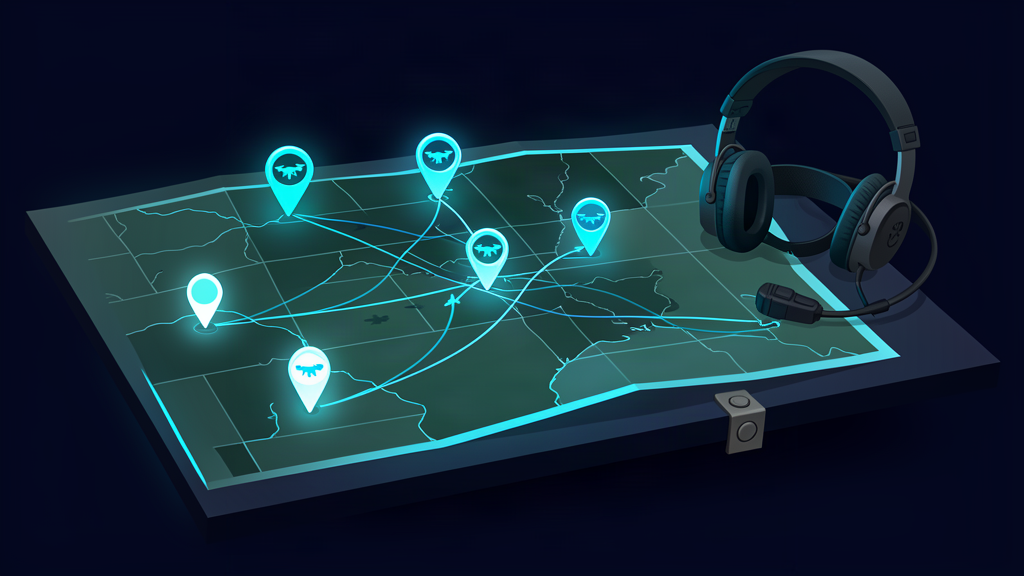
A Russian national who defected to Ukraine has detailed his role in reconnaissance missions that supported drone strikes inside Russia, according to a BBC World Service documentary aired on Sunday. The unnamed man, who spoke on condition of anonymity for security reasons, said he began cooperating with Ukrainian intelligence after becoming disillusioned with Russia’s full-scale invasion. He described using commercial drones to map air-defence positions and fuel depots in southern Russia before Kyiv’s own strike packages targeted the sites. The footage, which the BBC said it verified separately, shows the kind of open-source intelligence that has blurred the line between civilian technology and frontline warfare. As Prime Minister Andy Burnham’s government weighs its latest package of military assistance to Kyiv, the account highlights how battlefield intelligence is now shaped as much by individual defections as by traditional intercepts.
The defection
The documentary traces the defector’s path from a logistics unit in Russia’s Far East to a cross-border handover shortly after the invasion began, after which he was resettled under a witness-protection-style programme run by Ukrainian intelligence. He told the BBC that his motivation was personal as much as political: colleagues in his unit had been killed in a strike on a military depot, and he concluded the war was unwinnable. Western analysts say such testimonies matter because they offer a ground-level view of morale inside Russia’s armed forces, something that state media deliberately obscures.
Why it matters
For Britain, the story matters in two ways. First, the UK has led Nato’s effort to arm Ukraine since the invasion began, and that support now extends beyond weapons to include intelligence-sharing and training. Second, the defector’s account adds weight to ongoing debates in Westminster about whether Britain should authorise the use of long-range weapons on Russian soil — a question that ministers have so far answered with caution. With Prime Minister Burnham facing pressure from backbench MPs for a harder line, intelligence gathered by defectors is likely to feature heavily in classified briefings over the coming weeks.
Open-source warfare
The footage also illustrates how consumer drones — cheap, widely available and hard to defend against — have become instruments of both reconnaissance and attack. Analysts say the technology is spreading beyond the front lines, with disruption campaigns experimenting with identical tactics. For Nato planners, that means the cost of supporting Ukraine is measured not only in weapons systems but in the intelligence architectures that make the best use of them.
What happens next
Ukraine is expected to release further edited extracts from the interview in the coming days, using them to support its campaign for additional Western aid. The US, France and Germany are all reviewing their next tranche of assistance, and Prime Minister Burnham is under domestic pressure to match any increase in British support. Defence sources say the next formal UK package, focused on air-defence and artillery ammunition, will be announced before the parliamentary recess, though no final decision has been taken. The defector remains in an undisclosed location, and security officials say he will not appear in public again.
Source: BBC News.












We do not allow links of any sort in comments. No SPAM whatsoever. On topic comments only.