

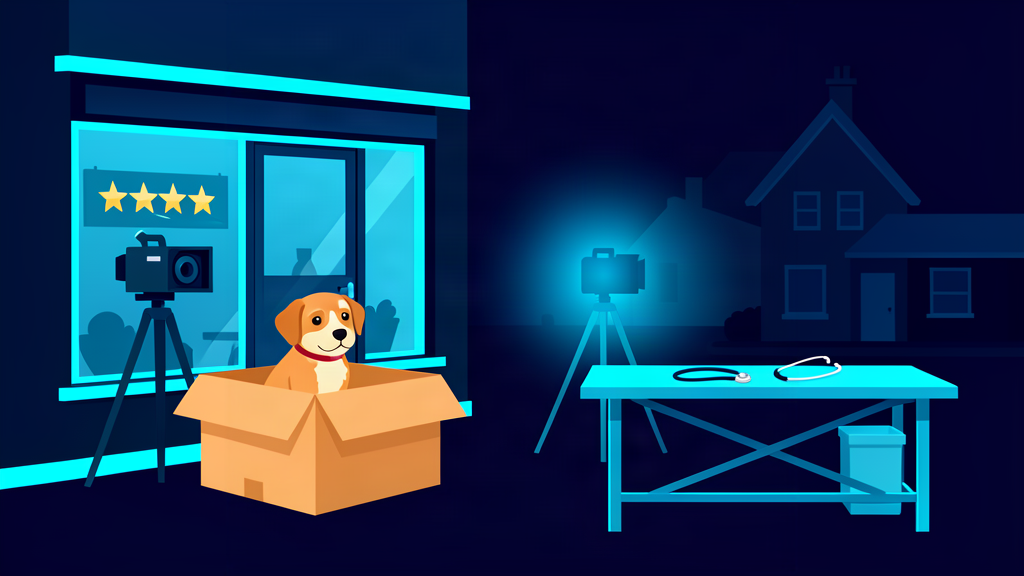
A dog breeder has been filmed by the BBC apparently selling sick puppies for around £2,000 each, despite having his rating downgraded. The undercover investigation, reported by BBC UK, raises fresh questions about how pet sellers are monitored and how quickly warning signs are acted upon.
Secret filming captured the breeder continuing to advertise puppies as five-star after the rating had been reduced. BBC UK reports that the animals being sold were unwell, yet the sales continued. The gap between the official assessment and the advertising is at the heart of the story.
What the investigation found
Animal breeding and sale in the UK is governed by licensing and welfare rules, with local authorities responsible for inspections. Ratings are intended to give buyers a quick indication of the standard of a seller’s premises and practice.
When a rating is downgraded, the expectation is that the seller will improve or face enforcement. The BBC’s filming suggests that, in this case, the downgrade did not stop the advertising or the sales. Buyers paying a premium price would reasonably assume that a five-star listing reflected a recent and accurate assessment.
Why it matters
Buying a puppy is a significant financial and emotional commitment. Sick animals can face expensive veterinary treatment and, in some cases, long-term suffering. Families may be left with bills and heartbreak at a moment when they trusted a seller’s stated credentials.
The case also exposes a wider enforcement problem. A rating only protects consumers if it is accurate and if changes to it are communicated clearly. When a seller can continue to present themselves as five-star after a downgrade, the system loses credibility with buyers and with responsible breeders who meet the standards properly.

ADVERTISEMENT
There is an animal welfare dimension too. Breeding animals in poor conditions, or selling them while unwell, is not simply a consumer issue. It is a welfare issue that requires inspection and, where necessary, action by the relevant authority.
What happens next
The local authority responsible for licensing the breeder is likely to face questions about when it became aware of concerns and what action it took. Buyers who purchased animals may seek advice about their options, and animal welfare organisations could call for a review of how ratings are monitored.
For prospective owners, the immediate lesson is practical: check licensing and ratings independently, ask to see the puppy’s mother, and arrange a veterinary examination. BBC UK reports the investigation; what follows depends on how regulators respond to what it revealed.
The price tag is part of what makes the case striking. Buyers paying around £2,000 expect a healthy animal from a reputable source, and the premium market relies heavily on trust in a seller’s reputation. When that trust is undermined, responsible breeders suffer alongside the buyers involved.
Licensing rules require breeders to meet standards on housing, health checks and record-keeping. Councils carry out inspections and issue ratings, but the system only works while those ratings stay current. If a downgraded seller can still advertise as five-star, prospective owners have no reliable way of knowing what they are walking into.
Animal welfare groups have argued that enforcement should be visible and swift, so that poor practice cannot continue while paperwork is processed.
Source: BBC UK.


















We do not allow links of any sort in comments. No SPAM whatsoever. On topic comments only.