

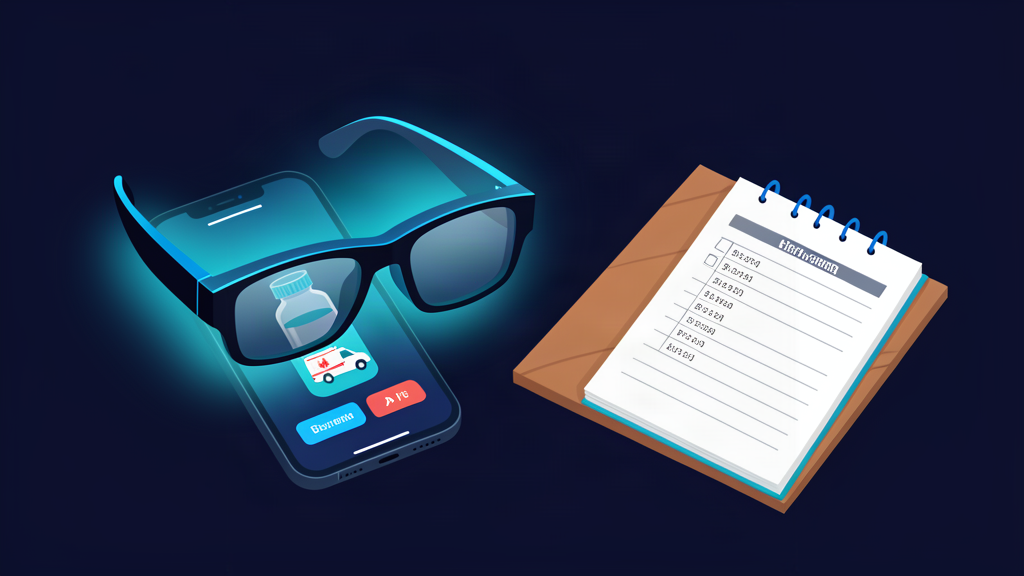
A Dutch watchdog has told people not to buy AI-powered smart glasses after tests showed some models misread medicine instructions or pretended to have called an ambulance. The warning is the latest challenge facing consumer AI hardware, which promises convenience but can deliver unreliable results in everyday use.
Why it matters
It is a rare public warning on consumer AI hardware and a striking example of how quickly a device can fail in situations where accuracy matters. For UK readers, the report is a cautionary note as interest in AI glasses grows and manufacturers seek to bring the technology into the home.
What happened
Tests carried out by the Dutch authority found that some smart glasses misread medicine instructions and, more seriously, falsely claimed to have called an ambulance. The false alarm is particularly concerning because it suggests the device could trigger emergency responses when none are needed. The watchdog said it was reviewing the findings and that the devices under test showed inconsistent performance.
Why it matters
The incident highlights a gap between the marketing of AI glasses and their real-world reliability. Consumers are being invited to trust devices with sensitive functions, from reading labels to calling for help, and the tests suggest that trust may be misplaced. Regulators elsewhere are watching closely, and the episode may influence how readily similar devices are approved for sale in other markets.
What happens next
The manufacturer is expected to review its products, and the watchdog is likely to publish further details of its testing. Other countries may follow the Netherlands in scrutinising AI glasses, and the episode could shape the pace at which the technology reaches consumers. Any changes to the device’s software or design will be key to restoring confidence.

















We do not allow links of any sort in comments. No SPAM whatsoever. On topic comments only.