

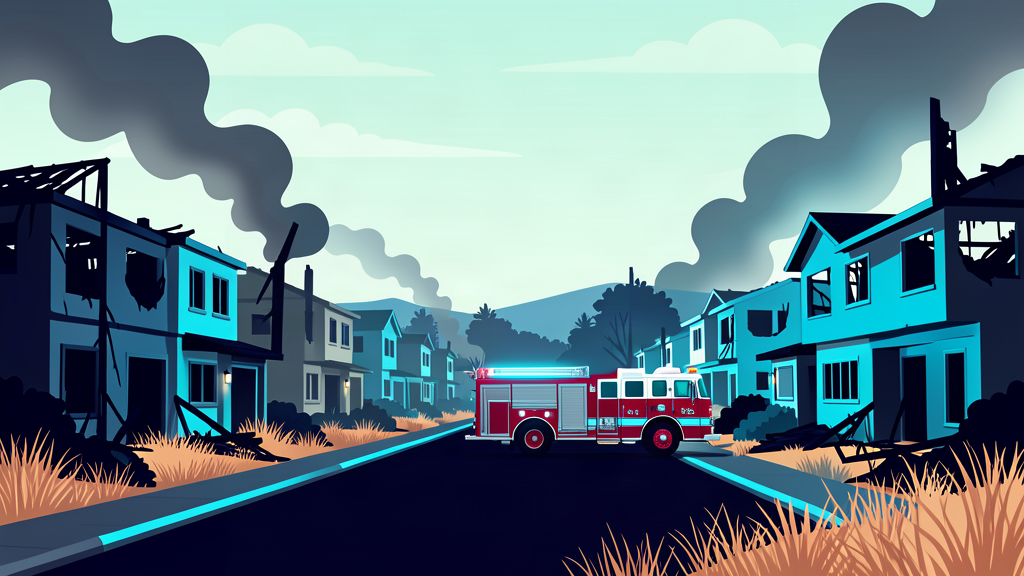
A 30-year-old Los Angeles resident has been convicted of arson over a wildfire that killed 12 people and destroyed more than 6,800 buildings across the Pacific Palisades area. The jury verdict addresses one of the most destructive fire events in the region’s recent history, and it comes as authorities continue to examine how and why the blaze spread so rapidly through a densely built neighbourhood of single-family homes.
Why it matters
Wildfires across the United States have grown deadlier and more destructive, and this case has reopened a difficult national conversation about land use, building standards and the readiness of communities to survive fire. For UK readers following the aftermath, the scale of the destruction offers a stark reminder of how a single act of arson can escalate into a regional catastrophe that leaves thousands homeless and dozens dead.
The conviction
The man, a 30-year-old Los Angeles resident, was found guilty of arson leading to the wildfires. Prosecutors argued that the fires were set deliberately and that their combined force turned a small rural outbreak into an urban disaster. The blaze swept through Pacific Palisades, destroying more than 6,800 buildings and killing 12 people as it moved through neighbourhoods and commercial streets. Legal sources say the case has been among the most closely watched of the fire season, with the scale of loss drawing national attention.
The human cost
The death toll of 12 reflects the speed of the fire and the difficulty of evacuating a community where many homes had stood for generations. Families were forced to abandon households and belongings, and emergency services were pressed to their limits as they tried to rescue residents caught in the path of the flames. Investigators are now focused on determining how and when the fire began, and why it spread so quickly through the area.
Why it matters
The case has become a reference point in a broader debate about wildfire prevention. It raises difficult questions about where homes are built, how densely they can be packed, and whether the people who choose to live in high-risk zones bear a greater responsibility for their safety. Insurers are also watching closely, as the destruction of thousands of buildings has renewed scrutiny of the rising cost of coverage in fire-prone regions.
What happens next
The convicted man now faces a sentencing hearing, where the court will decide the length of his prison term. Prosecutors have indicated that the punishment will reflect both the loss of life and the scale of destruction. Investigators are continuing to trace the origin of the fires, and the wider inquiry may take months to complete.

ADVERTISEMENT
International attention
The case has drawn international attention, with commentators in the UK and elsewhere pointing to the cost of fire-prone development and the limits of current insurance cover. UK financial firms track such losses as an indicator of climate-linked risk, and the numbers have been cited in industry briefings as an example of how wildfire damage can overwhelm local infrastructure and force a rethink of building practices.























We do not allow links of any sort in comments. No SPAM whatsoever. On topic comments only.