


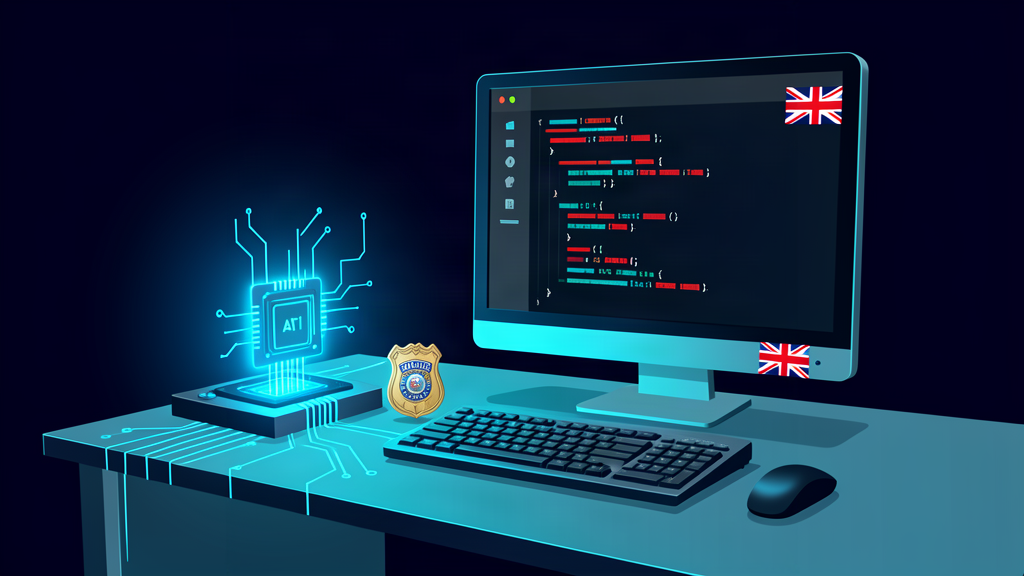
Microsoft Copilot AI chips and buttons: Microsoft Copilot, the innovative AI-powered code completion tool, has been making waves in the software development community. But why does it only partially run “on your computer”? Let’s delve into the technical details to understand this unique feature.
What is Microsoft Copilot?
Microsoft Copilot is an AI tool developed by OpenAI in collaboration with GitHub. It uses machine learning models to assist developers in writing code by providing suggestions and completing repetitive tasks. Accordingly, this tool aims to increase productivity and efficiency in the coding process.
How Does Microsoft Copilot Work?
Microsoft Copilot operates by analysing the context of the code being written and generating relevant suggestions in real-time. It can predict the next lines of code based on the existing codebase, making coding faster and more accurate. However, the unique aspect of Copilot is that it does not run entirely on the user’s computer.
Why Does it Only Partially Run “on Your Computer”?
Microsoft Copilot relies on a cloud-based model to process and generate code suggestions. While some of the AI models run locally on the user’s machine, the heavy lifting and complex computations are offloaded to the cloud. This allows Copilot to access vast amounts of data and compute resources, enhancing its accuracy and performance.
Furthermore, by utilizing a hybrid approach of local and cloud processing, Microsoft Copilot can provide real-time code suggestions without compromising the user’s system resources. This unique architecture ensures that developers have access to a powerful AI tool without experiencing performance issues on their local machines.
Benefits of Microsoft Copilot’s Partial Cloud Processing
1. Enhanced Performance: By leveraging cloud resources, Microsoft Copilot can deliver faster and more accurate code suggestions. 2. Access to Vast Data: The cloud-based model allows Copilot to access a vast amount of code repositories and programming knowledge. 3. Seamless Integration: Developers can seamlessly integrate Copilot into their coding workflow without worrying about resource constraints.

ADVERTISEMENT
Overall, Microsoft Copilot’s partial run on the cloud offers a unique solution to the challenges of AI-powered code completion. By combining the benefits of local processing with cloud resources, Copilot provides developers with a powerful tool to streamline their coding process.
Read more news stories.
Have a look at these other great articles
- Russian strikes hit 600,000 in Ukraine as energy attacks escalate
- Car theft hits a four-minute rate as UK police battle organised gangs
- Martinez issues scathing attack on Man Utd board – has he made things worse?
- Couple and two children killed in arson attack named locally
- Gales and heavy rain to impact UK as yellow wind warning issued
- Zelensky and Burnham to meet in Downing Street
- Police officer tells rape trial he did not commit sex crimes
- Rogue Anthropic AI agent gave police fake tip in unsolved murder case
- Chris Mason: Why the prime minister wants to talk about Brexit again
- Poundland in rescue talks as owners seek buyer
- Government expands police support to political figures who are not MPs
- Russia did try to interfere with Brexit vote but had little impact, MI5 chief says
- MI5 chief warns of threats to UK from Russia, Iran and AI
- Ex-hurricane to bring warm weather to the UK this week
- India’s young put their bodies on the line to be heard in protests against Modi



















Ai is taking over?
I think AI is great, it can do a lot of good for people, not sure about microsofts AI though.
I don’t think this AI stuf is really up to the hype.
Curious to see how the dedicated AI chip performs in real-world use.
Really helpful guide, thank you – looking forward to more like this!
The hardware button for Copilot is a smart move – makes it discoverable for everyone.
On-device AI is the way forward for privacy. Good direction from Microsoft.
Wonder how this compares to what Apple and Google are doing on-device.
A physical AI key might actually get people using assistants more naturally.
Interesting that they’re building silicon rather than just licensing.
If the latency is low this could be genuinely useful day to day.
Hope the chips trickle down to more affordable devices soon.
The integration with Windows looks tighter than previous attempts.
Good summary of a busy announcement week.