

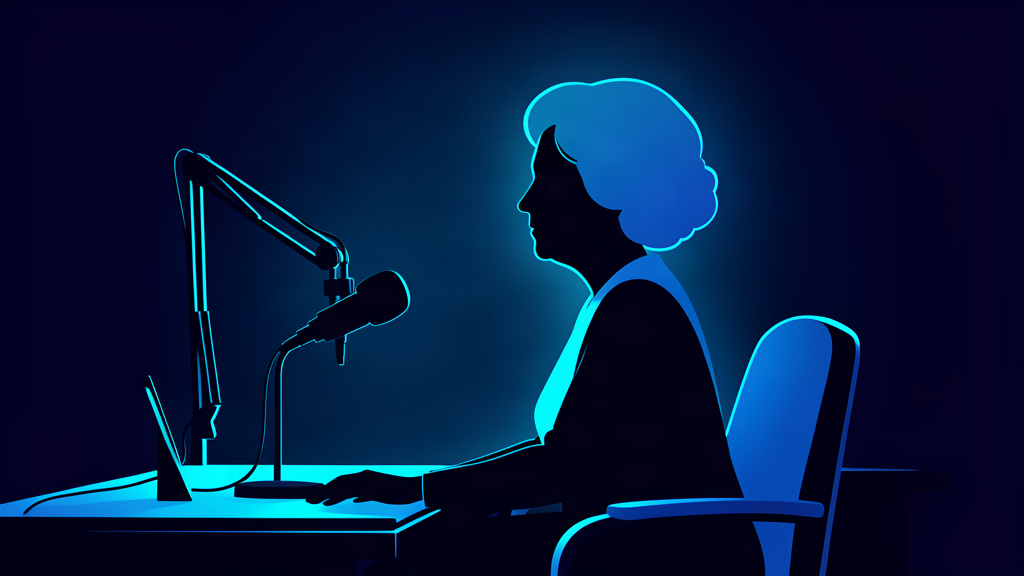
An inquest in London has heard that Dame Jenni Murray, the broadcaster who defined BBC Radio 4’s Woman’s Hour for a generation of British listeners, died eight days after a car crash in which she was dazzled by vehicle headlights. The longest-serving presenter of the programme was 75 when she died on 12 March, following a collision in north London.
The collision
North London area coroner Tony Murphy was told the crash took place near Hampstead Heath at around 19:45 GMT. A statement from Dr Clare Morkane, a consultant at the Royal Free Hospital where Dame Jenni was admitted on 4 March, said she had been driving when she became dazzled by vehicle lights and collided with two stationary vehicles. Following the collision she was unable to recall events, exited the vehicle independently and was taken to hospital. The impact caused multiple rib fractures, a fracture to the upper sternum and a collapsed lung. She was initially placed on non-invasive ventilation before being moved to intensive care, where she developed bronchopneumonia. The coroner ruled her cause of death was bronchopneumonia caused by fractures to her rib and sternum sustained in the crash. The Metropolitan Police investigated but closed its inquiry with no further action.
A broadcasting career
Dame Jenni joined Woman’s Hour in 1987 and left in 2020. Across more than three decades she conducted some of the most memorable interviews in British broadcasting, from a confrontation with Baroness Margaret Thatcher over childcare policy to a flirtatious exchange with actor Jack Nicholson and probing conversations with Edwina Currie and Hillary Clinton. She spoke openly with listeners about her breast cancer diagnosis in 2006, her weight loss surgery and the menopause, and in 2011 received a damehood for her contribution to broadcasting. She also won two Sony Awards and was inducted into the Radio Academy Hall of Fame. After her death, then-BBC director general Tim Davie called her “a broadcasting icon”, while Radio 4 controller Mohit Bakaya described her as “warm, fearless and beloved by listeners”.
Why it matters
Dame Jenni Murray shaped the national conversation on gender, health and politics for more than 30 years, and her death marks the loss of one of the most significant figures in British audio. The inquest’s findings give the public a clearer account of the circumstances of her passing and close a chapter that many listeners had followed since her final sign-off.
What happens next
The inquest has recorded its conclusions, and with the police investigation already closed no further proceedings are expected. Attention now turns to the tributes and reassessment of her legacy across BBC Radio and British culture more broadly.
Source: Original report. Rewrite for Your News Website.











Such sad news. My thoughts are with her family and loved ones.
A terrible loss. She touched so many lives – rest in peace.
I am deeply saddened to hear about Dame Jenni Murray’s passing. She was a significant voice for many and her contributions to broadcasting will not be forgotten. My thoughts are with her family and loved ones during this difficult time.