

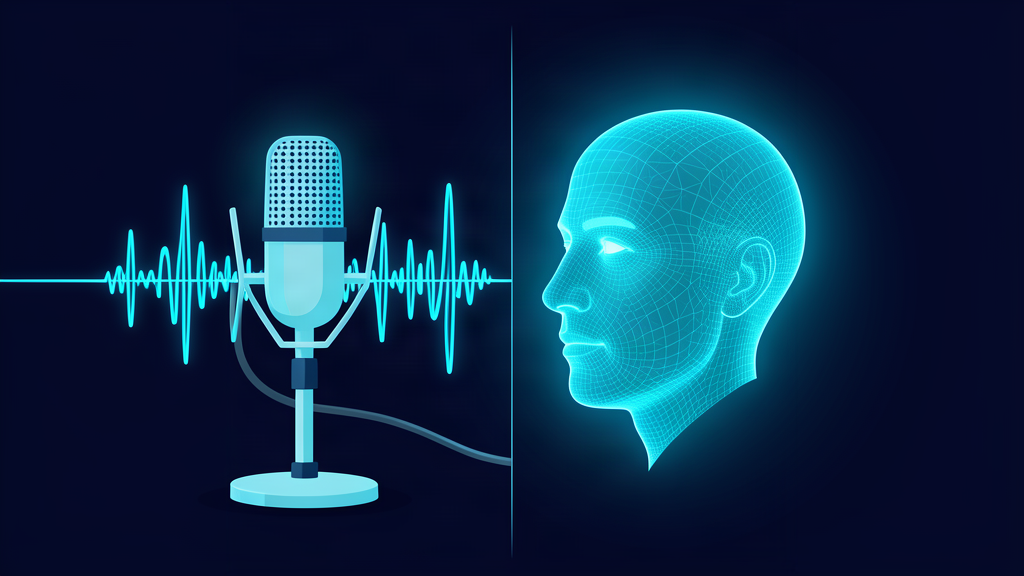
A group of performers including Matt Lucas and Hugh Bonneville is calling on the government to introduce a legal right for every person in the UK to own their own voice, as advances in artificial intelligence make it easier to clone someone’s speech without consent. The campaign argues that current law does not adequately protect individuals from having their identity reproduced by machines.
A right to your own voice
The performers are asking ministers to grant every citizen a property-style right over their own voice, similar in principle to how copyright protects creative works. Supporters say such a right would let people prevent the unauthorised generation of speech that sounds like them and would give them recourse if their voice is copied for commercial or deceptive purposes.
The proposal arrives as AI tools capable of mimicking a person’s tone, accent and cadence from only a short audio sample become widely available. Voice cloning has legitimate uses in accessibility and entertainment, but campaigners warn it is increasingly exploited for fraud, impersonation and the creation of misleading content.
Industry backing
The call has drawn support from across the performing arts, with actors concerned that synthetic voices could undercut their livelihoods or be attached to material they never agreed to. The performers’ union has long flagged the threat that generative AI poses to members’ work, and the current campaign builds on that effort.
Prime Minister Andy Burnham’s government has signalled a broader interest in regulating artificial intelligence, and the creative industries have pressed for stronger protections as part of that agenda. Ministers have previously said they want the UK to be both a leader in AI and a safe place for creators to work.
Why it matters
A voice is among the most personally identifying traits a person has, and the ability to reproduce it at scale raises profound questions about consent, fraud and artistic rights. For the public, the issue extends well beyond celebrities: anyone could in principle have their voice cloned for a scam or a fake recording. A legal right would put ownership — and control — back with the individual.

ADVERTISEMENT
What happens next
The campaign is expected to step up pressure on the Department for Science, Innovation and Technology as it develops AI policy. Lawmakers are likely to be asked to consider the proposal in upcoming sessions, and further public endorsements from prominent figures are anticipated. Whether the government commits to legislation this parliamentary term remains to be seen.
Source: Original report. Rewrite for Your News Website.












Really enjoyed this — thanks for the great coverage.