

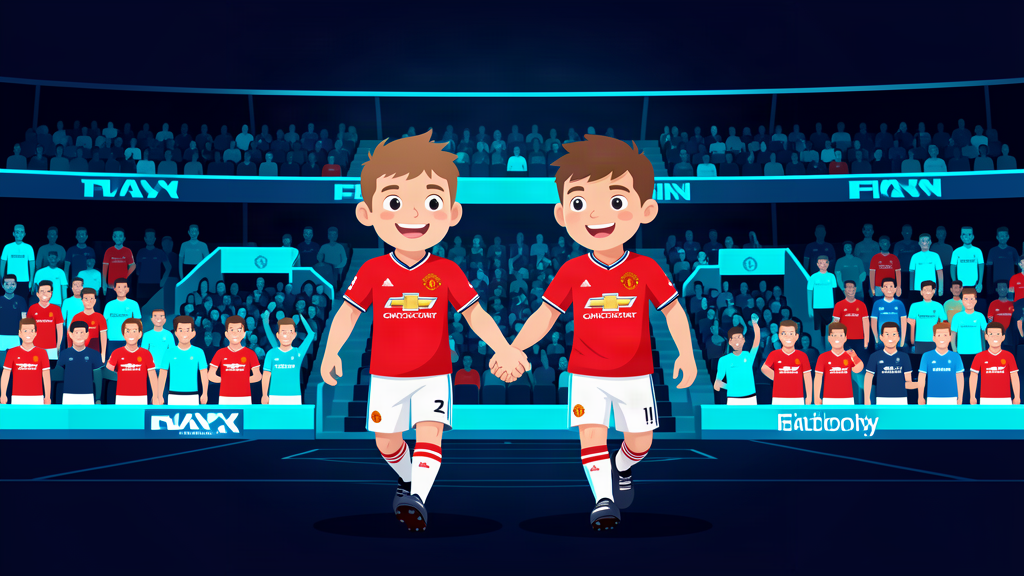
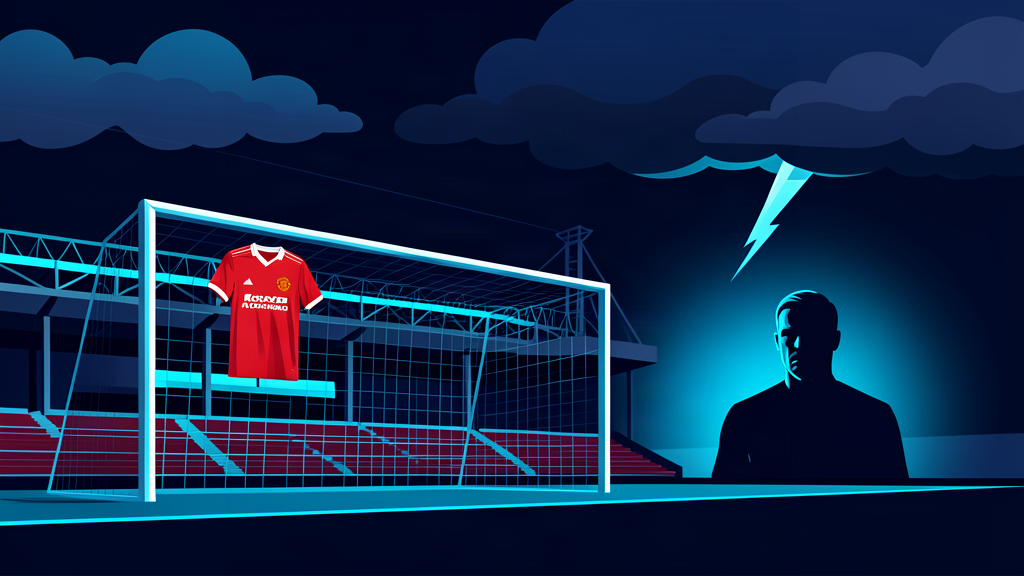
The two young sons of a police officer who died in a head-on collision on the A66 near Middlesbrough have led Manchester United out at Old Trafford as matchday mascots, in a tribute that drew warm applause from the home crowd before Sunday’s Premier League fixture against Ipswich Town. According to Sky News UK and BBC News, the boys — the children of PC Matthew Blades — walked onto the pitch alongside the players ahead of kick-off, a gesture arranged in memory of their father.
A tribute on the biggest stage
Mascot duties are usually a small piece of pre-match colour, a few minutes of nerves and photographs for a child who will remember it for years. On this occasion the ritual carried a heavier weight. PC Blades died in a collision on the A66, one of the most important and most scrutinised trunk roads in the north of England, and his death has been felt across the policing community in the North East as well as in his own family and neighbourhood. Bringing his sons out in front of a full stadium turned private grief into a shared moment of recognition, and it did so without speeches or ceremony — simply by letting two boys stand on the turf where thousands of eyes were already pointed.
Why it matters
Britain asks a great deal of its emergency responders, and the risks are not confined to the dramatic incidents that make headlines. A substantial share of police deaths and serious injuries in this country happen on the roads, during pursuits, responses and routine patrol work, and each one leaves a household to rebuild around an absence. Public tributes of this kind matter because they resist the tendency to file such deaths away as statistics. They also matter to football’s relationship with the places it sits in: clubs are among the few institutions that can still gather tens of thousands of people in one room, and how they use that gathering says something about whether they see themselves as civic bodies or purely commercial ones. A club opening its tunnel to a bereaved family is a modest act, but it is the sort of act that communities notice and remember far longer than a result.
The wider A66 question
The crash also sits inside a longer-running conversation about the safety of the A66 itself. The route carries heavy freight and long stretches of single carriageway across exposed country, and campaigners and local politicians have pressed for years for improvements to junctions, overtaking provision and dualling. Fatal collisions on that corridor tend to reignite those arguments, and families affected by them have often become reluctant but effective advocates for change. Nothing about Sunday’s tribute settles those questions, but it keeps the human cost of them visible at a moment when road investment decisions across England are being weighed against tight departmental budgets.
What happens next
Investigations into fatal collisions of this kind typically run for months, with findings ultimately tested at an inquest, and any conclusions about the circumstances of the crash will properly wait for that process rather than being pre-empted here. In the meantime the practical support that matters most to a family in this position is the unglamorous sort: welfare provision through police benevolent arrangements, help for children returning to school, and the patience of employers and neighbours over a long period. Expect continued local pressure on A66 safety measures, and expect the boys’ appearance at Old Trafford to be cited as a reminder of who bears the cost when a road goes wrong. Reporting on the tribute is credited to Sky News UK and BBC News.









This is such a poignant tribute to PC Matthew Blades and his family. My heart goes out to his sons; it must have been an emotional moment for them and a powerful reminder of the sacrifices made by those in the line of duty. It’s lovely to see the community come together to honour his memory in this way.