

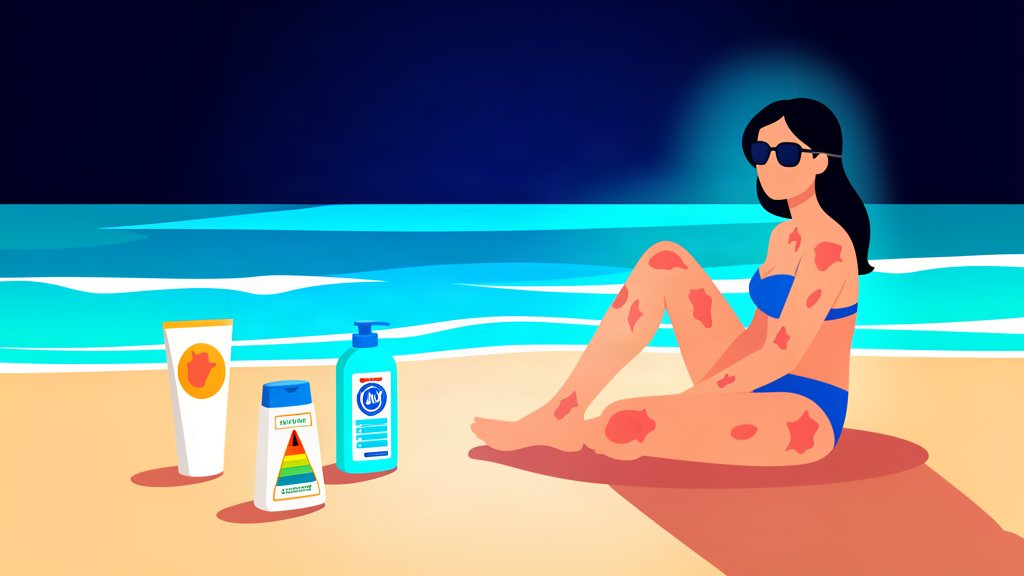
New figures from Cancer Research UK reveal that 40% of adults in the UK reported being sunburnt in the past year, with nearly three-quarters admitting they do not know the UV level at which they need to start protecting their skin. The charity is warning that misconceptions about vitamin D and tanning are leaving large numbers of people exposed to potentially harmful ultraviolet radiation, even as summer draws to a close.
A widespread knowledge gap
The findings come from a survey of more than 4,000 UK adults, of whom 1,800 said they had been sunburnt in the past year. Beyond the raw numbers, the survey exposed a striking lack of awareness about when and how to take precautions. Nearly three-quarters of respondents did not know the UV threshold at which protection becomes necessary, and more than one in three incorrectly believed they need as much sun exposure as possible to maintain adequate vitamin D levels. NHS guidance states that short periods outdoors are sufficient for most people to produce the vitamin D they need.
The charity also found that while around two-thirds of people were aware that the NHS recommends using sunscreen with SPF 30 or higher, only 37% knew they should also look for products carrying a four- or five-star UVA rating. Both components matter: SPF protects against UVB rays, which cause sunburn, while the star rating indicates protection against UVA rays, which penetrate deeper and contribute to skin ageing and cancer risk.
The vitamin D myth
One of the most persistent misconceptions identified by the survey is the belief that prolonged sun exposure is necessary or beneficial for vitamin D production. Cancer Research UK is clear that this is not supported by the evidence. Fiona Osgun, head of health information at the charity, said the survey shows that too many people are not protecting themselves from the sun’s harmful rays, with many getting sunburnt and being unclear on when they need to protect their skin from UV rays.
The charity is particularly concerned about the circulation of claims on social media suggesting that tanning is harmless or even healthy. There is no such thing as safe tanning from UV radiation, the charity stresses. A tan is a sign of skin damage, and it does not protect people from further harm. Every sunburn causes additional damage to the skin, making it vital that people take protection seriously even during what may seem like low-risk situations, such as a final summer outing in early September.
The melanoma picture
The warning comes against a backdrop of rising melanoma rates. Around 90% of melanoma skin cancer cases are caused by ultraviolet radiation from the sun and sunbeds, according to Cancer Research UK. More than 20,000 people were diagnosed with melanoma in the UK in 2022 alone, a record high. If current trends continue, the charity projects that there could be 26,500 new cases of the disease every year by 2040. Melanoma is now the fifth most common cancer in the UK.

ADVERTISEMENT
Certain groups face higher risk, including people with lighter skin tones, those with lots of freckles or moles, and anyone with a history of burning easily. The charity is also reminding the public that sunbed use significantly increases the risk of developing melanoma.
Why it matters
Skin cancer is one of the most preventable forms of cancer, yet the survey suggests that public understanding of basic protection measures remains poor. With many UK adults planning last-minute summer trips, garden gatherings, or simply spending more time outdoors as the school holidays end, the risk of accidental sunburn remains real. Cooler September temperatures can be deceptive: UV levels can still be high enough to cause damage even when the weather feels mild.
The findings also highlight the growing influence of online misinformation on health behaviour. Claims that sun exposure is necessary for vitamin D, or that a tan is a sign of good health, continue to circulate widely on social media platforms and appear to be shaping behaviour in ways that public health guidance has not kept pace with.
What happens next
Cancer Research UK is urging people to take simple steps to protect themselves: seeking shade when the sun is strongest, covering up with clothing, and using sunscreen that is at least SPF 30 and rated four or five stars for UVA protection. The charity stresses that these measures remain important well into autumn, when UV levels are often underestimated. Longer term, the projected rise in melanoma cases underscores the need for continued public health messaging and better awareness of the risks associated with both sun exposure and sunbed use.












We do not allow links of any sort in comments. No SPAM whatsoever. On topic comments only.