

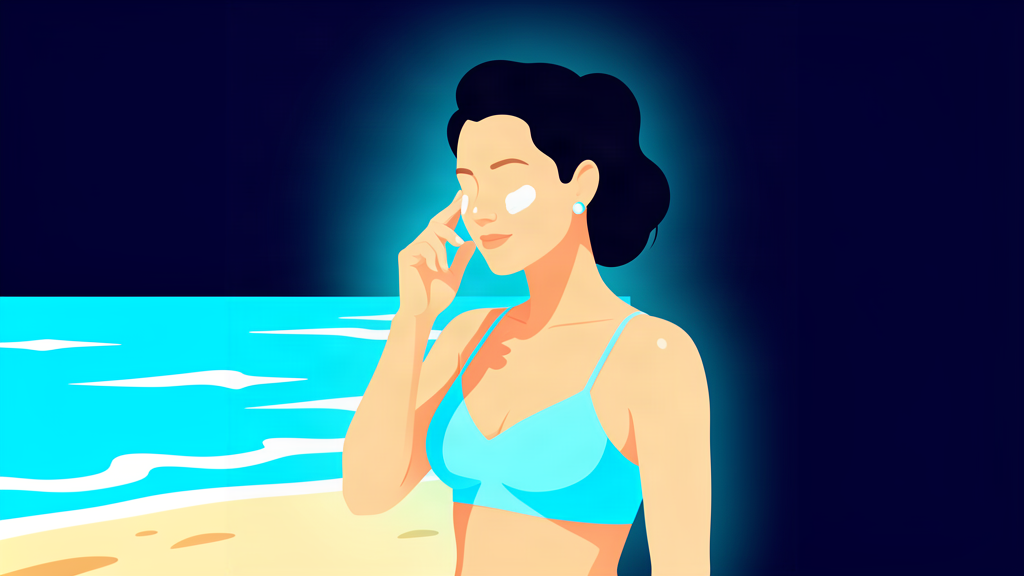
Nearly half of adults in the UK have been sunburnt, and many are not taking adequate steps to protect themselves, a cancer charity has warned. The message comes as UV levels remain high and experts urge the public not to assume that cooler or cloudier weather means the risk has passed.
The scale of sunburn across the UK
The warning from Cancer Research UK highlights a persistent gap between public awareness of skin cancer risk and everyday behaviour. A significant proportion of adults admit to having been sunburnt in the past, with some staying in the sun too long because they believe it will boost their vitamin D levels. That belief, the charity cautions, can lead people to underestimate the damage that ultraviolet radiation can cause to skin.
Sunburn is more than a temporary discomfort. Repeated episodes of burning are linked to a higher risk of skin cancer, including melanoma, the most serious form. The risk is cumulative, meaning that each episode adds to the overall damage, and it can affect people of all skin types, not just those who burn easily.
Vitamin D and sun safety
The charity acknowledges that vitamin D is important for health and that the body produces it when the skin is exposed to sunlight. However, the balance is delicate. Short, incidental exposure is often enough for most people to maintain adequate vitamin D levels without seeking out prolonged time in strong sun. Deliberately staying out long enough to burn is not necessary for vitamin D and carries risk that is not justified by the benefit.
Health advice in the UK typically points to a practical middle ground: some sunlight is beneficial, especially when exposure is limited and the skin is not burning, but protection is still needed during the sunniest parts of the day and on the most UV-intensive days. The aim is to avoid the extremes of either avoiding the sun entirely or overexposing without protection.
Why it matters
Skin cancer is one of the most common cancers in the UK, and a significant share of cases is linked to exposure to ultraviolet radiation. Public health messages have long urged people to seek shade, cover up, and use sunscreen, but uptake of those messages is uneven. Many people still treat sunburn as a routine part of summer rather than a sign of damage.

ADVERTISEMENT
The warning also matters because UV levels can be high even when temperatures are moderate or the sky is partly cloudy. People may not realise they are burning until it is too late, particularly on breezy days when the heat is less obvious. That makes the message about protection relevant well beyond the peak of summer.
What happens next
Cancer Research UK is continuing to urge the public to take sun protection seriously, with advice that includes seeking shade during the strongest sunlight, wearing protective clothing, and applying sunscreen to exposed skin. The charity’s guidance is aimed at helping people enjoy time outdoors while reducing their long-term risk.
Health authorities are likely to keep promoting sun safety messages as UV levels rise, with particular emphasis on the fact that sunburn can happen even when the weather feels mild. The hope is that clearer public understanding will lead to fewer avoidable cases of skin damage over time.
Source: Sky News UK.














We do not allow links of any sort in comments. No SPAM whatsoever. On topic comments only.