

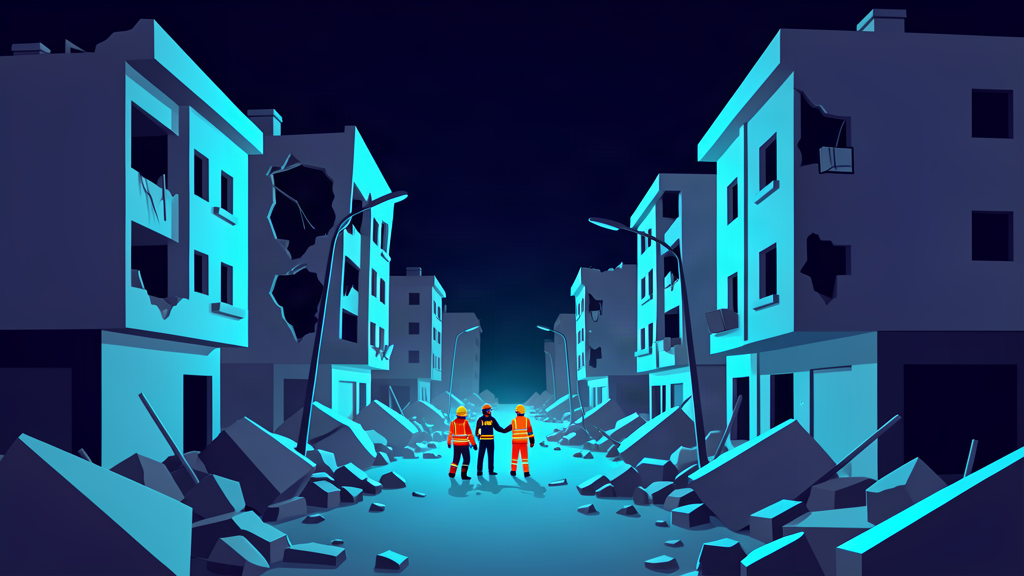
Israeli attacks on Lebanon since 2023 have killed nearly 9,000 people, according to figures reported by Al Jazeera, marking one of the deadliest periods of violence the country has seen in decades.
The scale of the loss
More than 8,900 people have been killed in Israeli strikes on Lebanon since hostilities escalated in 2023, with the death toll continuing to climb as fighting persists along the Lebanon-Israel border and beyond. The figures reported by Al Jazeera draw on data gathered from across the country, capturing the cumulative human cost of a conflict that has touched communities from the south to the capital, Beirut, and further north.
Alongside the deaths, the reporting highlights the impact on emergency responders, with more than 179 attacks on ambulance crews recorded since March 2, and 179 healthcare workers killed. The targeting or repeated striking of medical personnel and emergency vehicles, if confirmed, represents a serious concern under international humanitarian law, which requires belligerents to protect medical services and the civilians who rely on them.
Why it matters
Lebanon is a small country with a population of around 5.5 million. A death toll approaching 9,000 represents a loss of life on a scale that is difficult to overstate relative to the size of the population — roughly one in every 600 people. The destruction of homes, infrastructure, and livelihoods compounds the human toll, and the displacement of tens of thousands of people adds a further layer of humanitarian need.
The figures also illuminate the strain on Lebanon’s emergency and healthcare systems. The country was already facing political instability, economic crisis, and the aftermath of the 2020 Beirut port explosion before this latest escalation. The cumulative pressure on hospitals, ambulance services, and first responders raises questions about whether the system can continue to function under sustained attack.
For the wider region, the conflict on the Lebanon-Israel border has repeatedly threatened to draw in other states and destabilise an already fragile security environment. The proximity of the fighting to populated areas on both sides of the border means that civilians remain caught in the crossfire, with limited options for escape.

ADVERTISEMENT
What happens next
The immediate priority is halting the violence and securing a ceasefire that allows civilians on both sides of the border to return to their homes and for emergency services to operate without fear of attack. Negotiations aimed at de-escalation have periodically been pursued by regional and international actors, but the gap between the parties has so far proved difficult to close.
Independent verification of casualty figures and the circumstances in which they were killed is likely to remain a point of contention, as it is in many conflicts. The figures reported here come from Al Jazeera’s coverage; other sources, including Lebanese health authorities and UN agencies, may provide additional or differing counts as the situation develops.
In the longer term, the death toll of nearly 9,000 is certain to shape Lebanon’s politics, its economy, and its collective memory for years to come, much as earlier conflicts have done. How the country rebuilds — if it can — will depend on the resolution of the fighting and the willingness of the international community to support reconstruction.
Source: Al Jazeera.















We do not allow links of any sort in comments. No SPAM whatsoever. On topic comments only.