

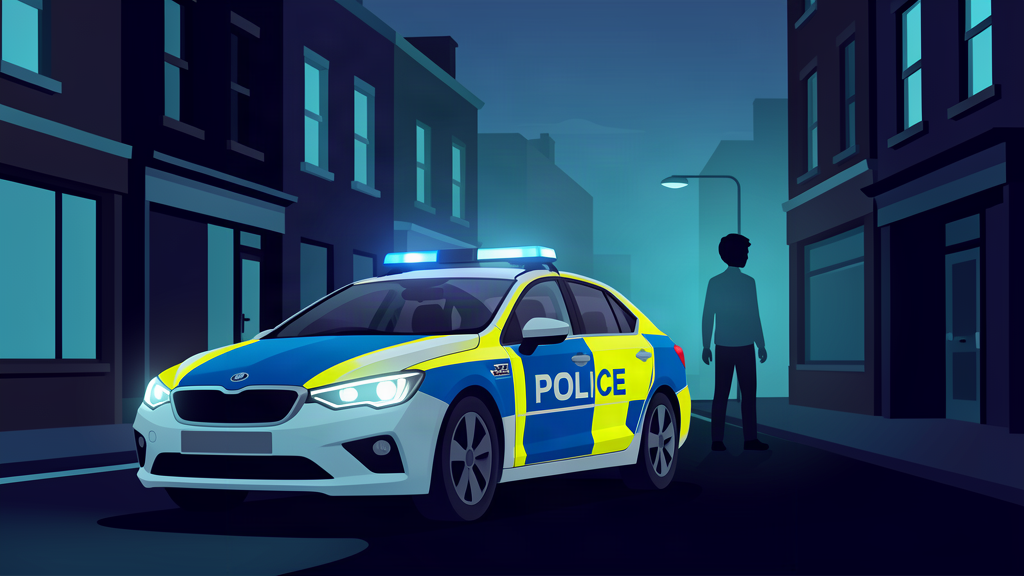
Four women who say they were exploited by county lines drug gangs as teenagers have told the BBC that police failed to take their accounts seriously when they sought help. The women, speaking anonymously, describe a pattern of grooming, rape and criminal exploitation followed by what they say was dismissive treatment by officers who did not believe them or act on their disclosures.
Victims left without protection
The BBC report sets out how each of the women was targeted as a child by gangs that use intimidation and debt to control young people and draw them into drug trafficking. Once embedded in that environment, the women say they were raped and subjected to further abuse. When they went to the police, they describe being treated as complicit in the crime rather than as victims of it.
One woman said she reported what had happened to her and was effectively turned away. Another described asking for protection and being given none. The accounts paint a picture of a system that, in their experience, struggled to see past the surface of county lines involvement and recognise the abuse underneath it. The women say this left them exposed to further harm.
These are not isolated anecdotes. The programme gathers four separate accounts that, while distinct in detail, follow a similar trajectory: recruitment, coercion, abuse, and then difficulty being heard by the authorities meant to protect them. The women suggest that the line between victim and offender was too readily drawn by the people they approached for help.
Why police responses matter
County lines exploitation has been a major focus of police and safeguarding work for several years. Criminal networks based in cities recruit young people in smaller towns and rural areas, often using the young person’s home as a base for drug supply. The model depends on control through violence, debt and grooming, and those caught up in it frequently face both criminal sanctions and sexual violence.
When victims of that model come forward, the response they receive shapes whether they stay safe, whether further abuse is prevented, and whether the gangs responsible are disrupted. The women interviewing with the BBC argue that the response they received did none of those things effectively. They describe a gap between the severity of what happened to them and the seriousness with which it was treated.

ADVERTISEMENT
The force responses, where included in the report, acknowledge the seriousness of the issues raised. The BBC does not present the women’s accounts as proven allegations against named officers; it reports what they told the programme about their experiences. That distinction matters. The story is grounded in what the women said, and in the broader context of known risks around county lines and child exploitation.
Why it matters
This matters because the credibility of police safeguarding is on the line. If children and young people who have been groomed and abused by criminal networks come forward and are met with scepticism or inaction, two things happen. The individuals concerned stay at risk, and the signal sent to others is that speaking up will not help. That undermines the entire point of victim-focused policing.
It also matters because the women are challenging a framing that can treat young people caught up in county lines as willing participants rather than as exploited victims. When the authorities lean too far in that direction, the people most in need of protection can end up treated as part of the problem. The BBC report gives those people a direct voice.
What happens next
The women are using the BBC to push for a reckoning with how their cases were handled. Whether that leads to fresh scrutiny of the original investigations, to changes in training or procedure, or to wider review of how forces respond to victims of county lines exploitation is not yet clear from the report. The next step is for the relevant forces and safeguarding bodies to respond in detail to the specific accounts raised, and for any resulting findings to be acted upon. The BBC’s reporting has placed the question firmly in the public domain.


















We do not allow links of any sort in comments. No SPAM whatsoever. On topic comments only.