


Russian missile and drone strikes have knocked power to 600,000 people across Ukraine, President Volodymyr Zelensky said, as critical energy infrastructure came under attack in Kyiv and the northern city of Kharkiv — directly undermining US President Donald Trump’s weekend claim that an “energy ceasefire” was in place between the warring nations.
Overnight on critical infrastructure
At least three people were killed and 21 injured in Kyiv alone, Ukraine’s state emergencies service reported, as Russia launched what its defence ministry described as “massive” strikes on communications and energy facilities. Ukraine’s air force said Russia fired 39 ballistic and cruise missiles and 128 drones overnight, of which four missiles and 115 drones were shot down. Russia separately claimed 902 Ukrainian drones were intercepted over its own territory, including Moscow and Crimea — though these figures could not be independently verified.
UK backing for Ukraine
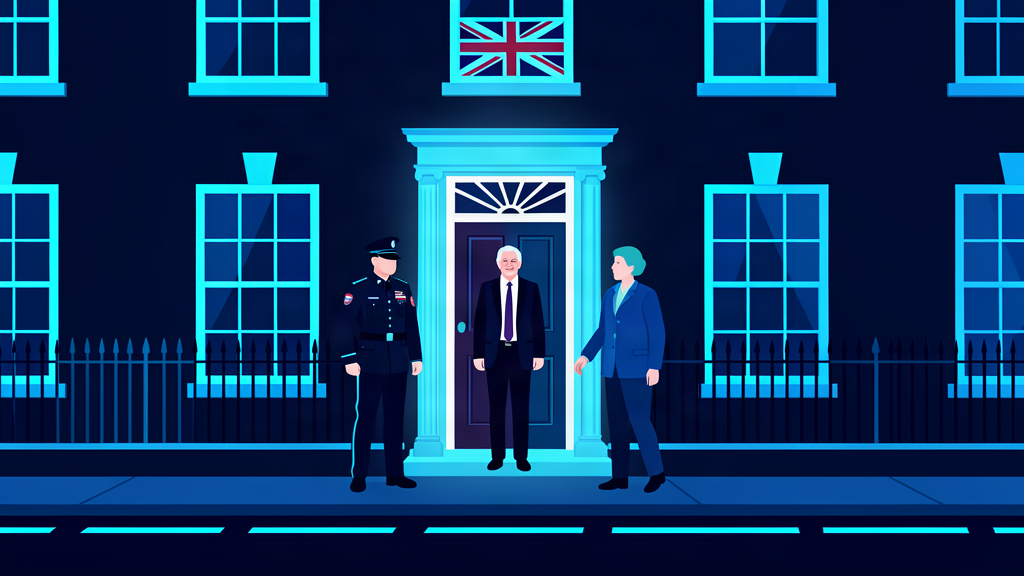
The strikes underscore the UK’s continued backing for Ukraine’s right to energy independence and territorial sovereignty. Prime Minister Andy Burnham’s government has been among Kyiv’s closest allies in Europe since Russia’s full-scale invasion in 2022, when Moscow seized roughly 20% of Ukrainian territory. The latest wave of attacks — targeting the very infrastructure that keeps cities lit and hospitals running — reinforces the urgency that London has repeatedly signalled regarding sustained military and humanitarian support.
Failed ceasefire claims
On Sunday, Trump wrote on social media that “Effective immediately, there is an ENERGY CEASEFIRE in the War between Russia and Ukraine. Both parties have agreed. Do not break it!” President Zelensky has since repeatedly said Ukraine is ready to halt its strikes on Russian oil refineries and other energy facilities if Moscow did the same. But Russian Foreign Minister Sergey Lavrov dismissed the idea, arguing that Ukraine does not deserve the respite a ceasefire would bring, and that Europe would simply pump new weapons into the country to continue the war.
Why it matters
Energy infrastructure attacks carry ramifications beyond Ukraine’s borders. The UK imports a portion of its gas from continental Europe, and winter supply security remains a strategic concern for policymakers at Westminster. More broadly, the collapse of a de facto energy truce — even one never fully honoured — raises fresh questions about whether diplomatic initiatives led by the US can survive the realities on the battlefield. For Britain, which has committed billions in military aid to Ukraine since 2022, each major escalation tests the limits of European solidarity.
What happens next
Russian strikes on Ukrainian energy assets are expected to continue as winter approaches, with Kyiv warning of further rolling blackouts across the capital region and Kharkiv. Diplomatic channels remain active: the UK Foreign Office is understood to be in regular contact with both Kyiv and Washington regarding coordinated Western support, while Nato foreign ministers are due to convene for a call this week. No new British sanctions package has been announced in the immediate aftermath of these strikes, though officials say the government stands ready to move quickly if Moscow expands the attacks.

ADVERTISEMENT
Source: BBC News



















We do not allow links of any sort in comments. No SPAM whatsoever. On topic comments only.