

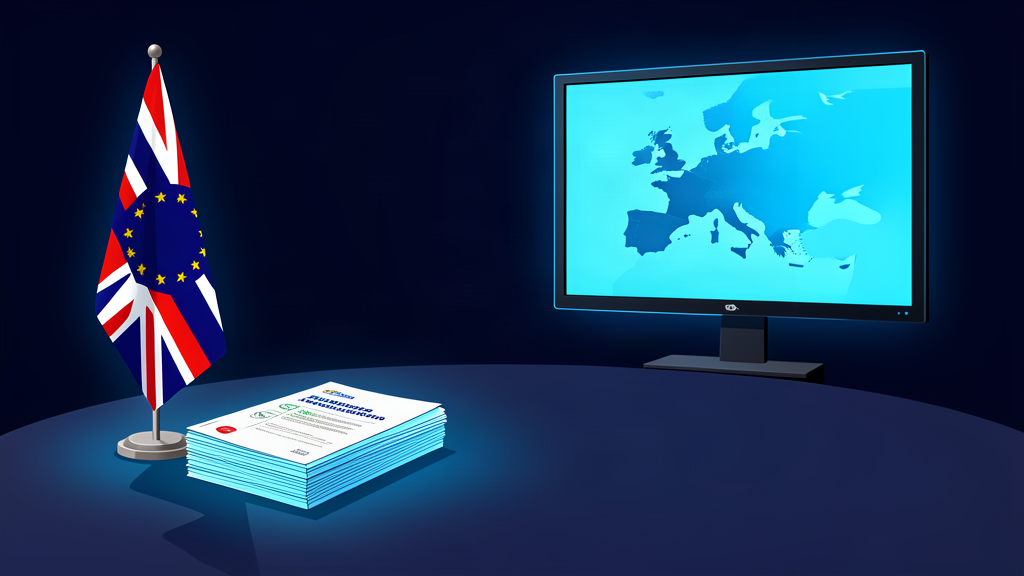
The UK will have a voice but no vote on European food safety rules under a new arrangement agreed with the European Union, ministers have confirmed. A senior EU minister insisted Britain would have a say in policy as the 27-nation bloc reshapes the rules that govern food, farming and the environment, while the country remains outside the union. The government said the deal gives London influence without membership, and argued it was a workable alternative to the status quo.
The arrangement marks a fresh stage in the long-running debate over Britain’s relationship with the EU. For years, ministers insisted that the UK should not be bound by rules it had no part in making. Now, under this deal, the government is proposing a different model: a recognised voice in the councils where the rules are decided, but no vote. The precise powers of that voice have not yet been spelled out, and the government said the details would be worked out with EU partners in due course.
The matter is likely to divide opinion in Westminster. Supporters argued that the arrangement gives Britain a real say in rules that affect its economy, food standards and farmers, and that it was better to have a seat at the table than none at all. Detractors countered that a voice without a vote is a symbolic concession that leaves British interests exposed to decisions taken in Brussels without the UK’s consent.
Why it matters
The issue matters because EU rules still shape large parts of daily life in the UK, from the food on British shelves to the standards applied to farmers and producers. Keeping a voice without a vote means London can raise concerns, but cannot help decide them. Consumers and businesses would continue to be affected by rules made in Brussels, and the strength of the British voice will determine how far the UK can shape those rules in its own interest.
The government insisted the arrangement would allow Britain to protect its interests, but critics argued it fell short of the protection a vote would provide. The source feed reported that the EU minister described the deal as a way for Britain to remain engaged with rules that matter to its economy, without the full constraints of membership. How far that voice is actually heard will depend on the negotiations that follow. Details of how British representatives would take part in the relevant councils are expected to be worked out in the coming weeks.
What happens next
Details of how the voice would be exercised were not set out in the initial announcements. The government said it would work with EU partners to define the arrangement, and further talks are expected to follow. Any change to the deal would require negotiation, and the source feed says the operational details are expected to emerge over the coming weeks as the two sides finalise the wording.

ADVERTISEMENT
The outcome will set the terms of Britain’s relationship with the EU’s regulatory apparatus for the foreseeable future. Ministers said they would make the case for British interests at every stage, and the source feed reports that the government would continue to campaign for a deal it argues is fair on British consumers and businesses.



















We do not allow links of any sort in comments. No SPAM whatsoever. On topic comments only.