

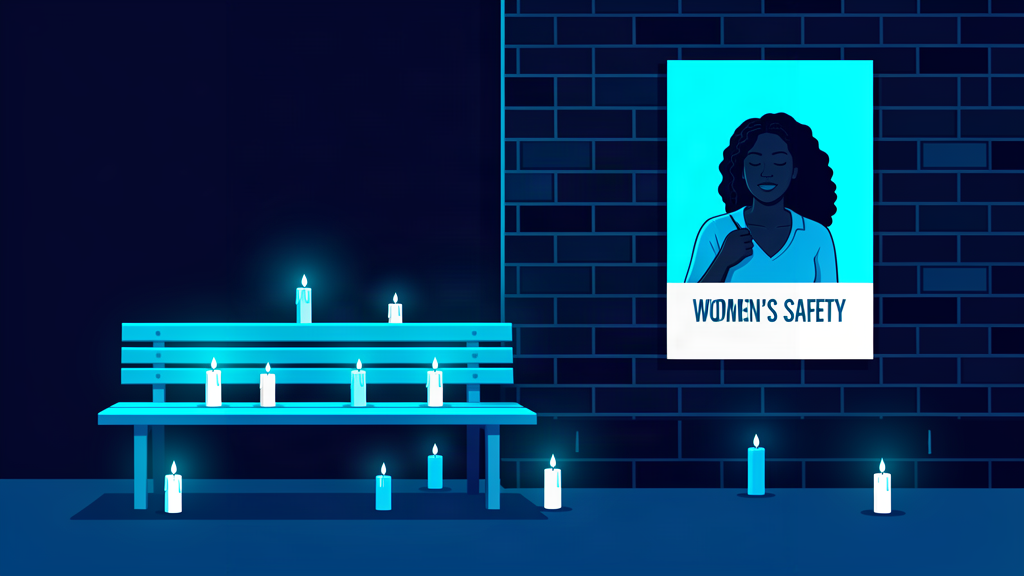
South African police officials are urging urgent action to protect women and children from lethal violence after fresh data showed that nearly 600 women were killed in the country within a single three-month period. The figures, reported by the BBC, point to one of the highest rates of fatal gender-based violence in the world and have renewed pressure on authorities to confront a crisis that shows few signs of abating.
Officials quoted by the BBC called for greater efforts to prevent violence against women and children, as campaigners warned that the numbers reflect a deep-seated problem rather than a series of isolated incidents. The killings have shaken communities across the country and highlighted the difficulty that many families face when reporting abuse or navigating a justice system that is still playing catch-up.
The scale of the violence has become a defining issue for South Africa, drawing sustained international scrutiny and prompting repeated promises from government officials to do more. Yet each new batch of figures reignites a familiar and uncomfortable question: whether the political commitments made in recent years have fundamentally changed the experience of women and girls on the ground, or whether deeper social and structural failures remain unresolved.
Why it matters
Violence against women and children is among the most persistent human rights challenges of the present era, and South Africa’s figures have become a global reference point for the scale of the problem. The UK, which has long positioned itself as a leading voice in international efforts to end gender-based violence, routinely urges partner governments to strengthen legal protections, fund support services and improve the way police respond to survivors.
For British readers the story carries a clear and troubling lesson: that the fight against fatal violence toward women is not confined to any one country or continent, and that meaningful progress depends on steady, well-funded action rather than periodic promises. The situation in South Africa is also a reminder of how quickly violence can escalate, and of the importance of early intervention and robust support networks for those at risk.
International attention matters because it helps keep pressure on governments to act, and it draws resources and expertise toward the countries that need them most. Campaigners argue that the UK, with its long history of advocacy and funding on gender-based violence, is well placed to help lead that effort, though meaningful change requires more than diplomatic statements.

ADVERTISEMENT
What happens next
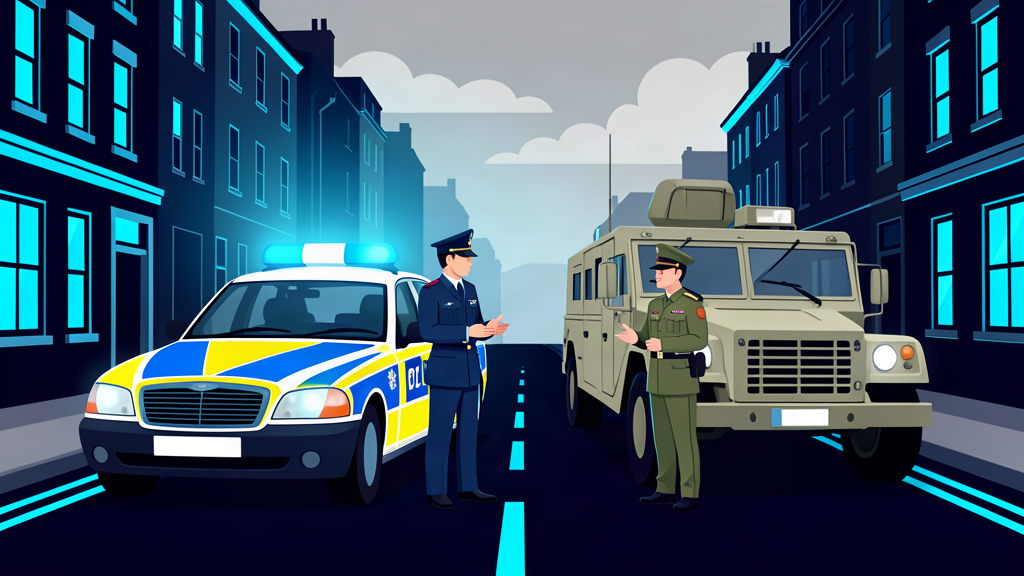
The latest figures are likely to intensify demands for stronger measures, from better policing of domestic abuse to improved access to protection for victims. Campaign groups are expected to argue for increased investment in helplines, refuge spaces and prevention work, while officials face fresh questions over whether current services can keep pace with the scale of the crisis.
Authorities will be under pressure to translate promises into measurable change, particularly for the most vulnerable women and children. Whether new commitments lead to sustained reductions in fatal violence will depend on funding, on the speed of police and court responses, and on whether survivors are genuinely able to access the help that already exists.





















We do not allow links of any sort in comments. No SPAM whatsoever. On topic comments only.