

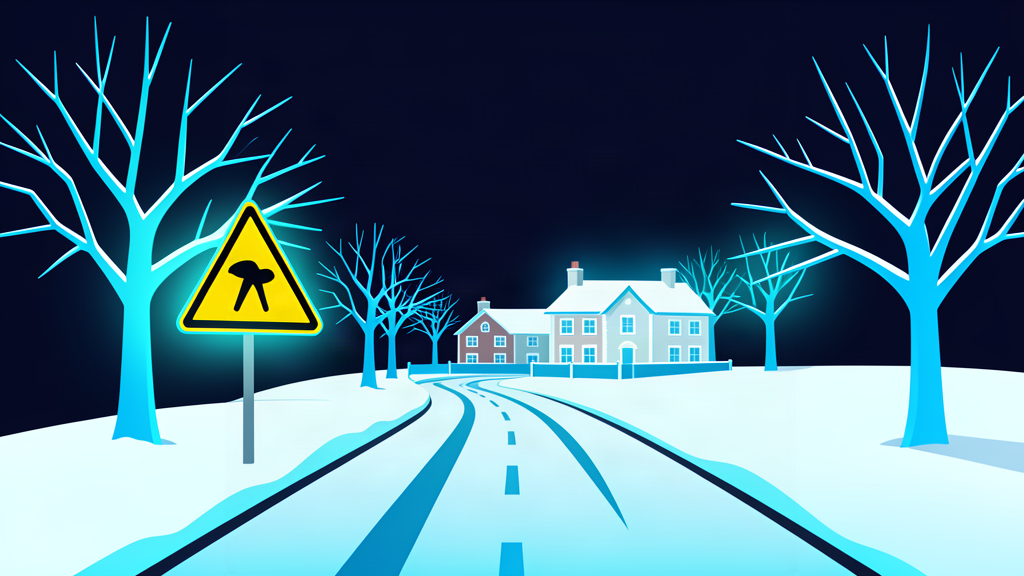
Snow could fall across northern parts of the UK over the coming days, with a yellow ice warning in force in areas of the country as temperatures drop. The forecast, reported by Sky News, signals the return of wintry conditions after a spell of milder weather and brings the familiar set of practical concerns that accompany a cold snap: slippery roads, disrupted journeys and the risk of travel becoming hazardous at short notice. For communities in the north, the prospect of snow is a regular winter reality; for the transport network, it is a test of planning and communication.
What the forecast says
Sky News reported that snow is possible in northern areas of the UK over the next few days, while a yellow weather warning for ice has been issued for parts of the country. A yellow warning is the lowest of the Met Office’s three severity levels, but it should not be dismissed: it means that conditions could cause disruption and that people should be prepared for changes to travel plans. Ice is often more disruptive than snow itself, because a thin, almost invisible layer can make roads and pavements dangerous even when the sky looks clear. The timing of the cold spell, over a weekend, means that many journeys will be leisure travel rather than the daily commute, which changes the pattern of disruption.
The phrase used in the report, that the cold is here to stay, captures a shift from the changeable weather of recent weeks towards a more settled, colder pattern. When a spell of low temperatures settles in, the ground, roads and bridges take time to warm up, so icy patches can persist even after the air temperature rises during the day. That is why warnings often remain in place beyond the moment when the snow actually falls. Local authorities and transport operators watch these patterns closely, gritting priority routes and advising drivers to slow down and leave more time for journeys.
Practical effects on travel
The effects of a cold snap are felt unevenly. Higher ground and rural roads tend to suffer first, while urban areas with traffic and street lighting may clear more quickly. Rail services can be affected by ice on the tracks and by points freezing, and airports may need to de-ice aircraft, which adds delays even when snow is light. The most serious risk, however, is on the roads, where a loss of grip can lead to collisions. Drivers are routinely advised to check tyres, top up screen wash and carry basic supplies when a warning is in force. Those preparations sound mundane, but they make a real difference when conditions deteriorate faster than expected.
Why it matters
Weather warnings matter because they shape decisions made by millions of people: whether to travel, when to leave and which route to take. They also matter to the economy, because disruption to transport affects retail, tourism and the movement of goods. For the UK, where weather changes quickly and forecasts are closely followed, a clear and timely warning is a public service that helps people plan. The challenge for forecasters is to communicate uncertainty without causing either complacency or panic. A yellow ice warning is a signal to pay attention, not a prediction of catastrophe, and understanding that distinction is part of using the information well.
What happens next
Sky News reported the forecast, and the coming days will show whether the snow arrives as expected and how widely the ice warning applies. The Met Office may upgrade, extend or cancel the warning as the picture becomes clearer, so anyone planning a journey should check the latest advice before setting out. Expect local authorities to continue gritting treated routes and transport operators to issue updates as conditions change. If the colder pattern does settle in, attention will turn to how long it lasts and whether further warnings are needed. For most people, the sensible response is straightforward: check the forecast, allow extra time and treat the first cold morning with care.
























We do not allow links of any sort in comments. No SPAM whatsoever. On topic comments only.