

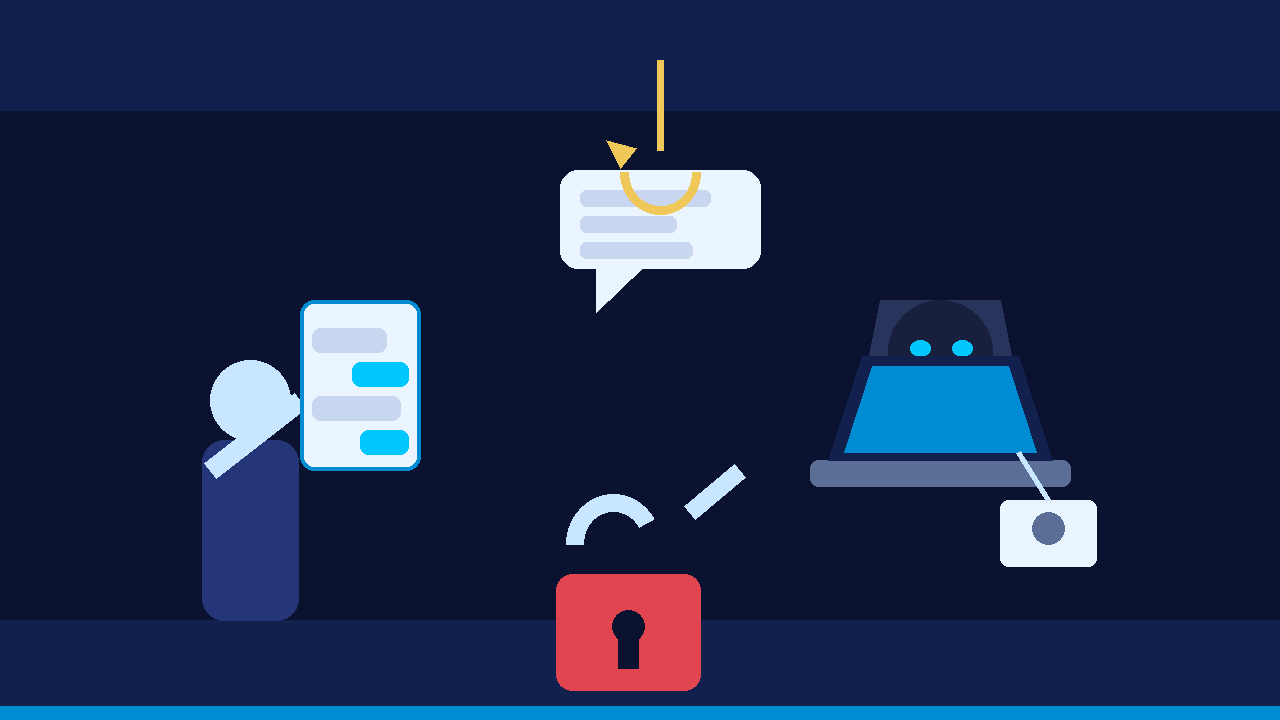
A senior British politician has been drawn into a transatlantic impersonation scandal, after it emerged that Andy Burnham exchanged messages with someone posing as Donald Trump’s White House chief of staff. Downing Street has declined to comment on what is being treated as a security breach.
Andy Burnham impersonation: what is known so far
The episode, first reported by Politico, centres on a message exchange between Burnham and an account presenting itself as one of the most powerful officials in Washington. Rather than a technical hack of government systems, the case appears to be a textbook social-engineering attempt: build a convincing identity, open a friendly channel, and let the target’s own trust do the rest. No 10 has so far refused to discuss the matter publicly, which in Westminster terms is neither a denial nor a confirmation.
What makes the story significant is not the content of any individual message but the ease with which a senior UK figure could be reached. Modern political communication runs through consumer messaging apps that were never designed to verify that the person on the other end holds the office they claim.
Why UK political security keeps failing the same test
British politics has now produced a run of similar incidents, from spoofed WhatsApp accounts targeting MPs to phishing lures aimed at parliamentary staff. The pattern is consistent. Attackers do not need to breach Whitehall’s defended networks if they can simply start a chat with someone who has access to the room where decisions are made. Once a rapport is established, the payload can be anything: a request for a private mobile number, a diary detail, a policy position, or a link.
Security officials have repeatedly warned that hostile states and opportunistic fraudsters alike use impersonation of foreign officials as a cheap, deniable route into a target’s confidence. The UK’s National Cyber Security Centre has long advised ministers and their advisers to verify unexpected contacts through a second, known channel before engaging.
The UK impact: trust, diplomacy and the Anglo-American channel
For the UK, the damage from a case like this is reputational and diplomatic rather than immediately operational. Allies watch closely how partner governments handle sensitive informal contact. If a British politician can be persuaded that they are speaking to a US chief of staff, the reasonable question from Washington is what other conversations might have been steered by an impostor.

ADVERTISEMENT
There is also a domestic dimension. Burnham is one of the most recognisable figures in British public life and a frequent subject of leadership speculation. Any suggestion that his private communications can be spoofed or harvested feeds a wider anxiety about how insecure the UK’s political conversation has become in an era of AI-assisted mimicry, where writing style, voice and even video can be counterfeited convincingly.
What should change now
Practical remedies are unglamorous but effective: mandatory verification protocols for inbound contact claiming foreign-government status, official-channel-only rules for policy discussion, faster reporting requirements when an impersonation is suspected, and routine security briefings for mayors and devolved leaders as well as ministers. Critics argue the current guidance is voluntary and patchily observed.
Until the government explains how the exchange happened and what, if anything, was disclosed, the incident will stand as another reminder that the weakest point in national security is rarely the firewall. It is the inbox.
Source: reporting by BBC News.
Source: Original report. Rewrite for Your News Website.








Really helpful article, thank you – looking forward to more like this!
Really helpful guide, thank you – looking forward to more like this!