

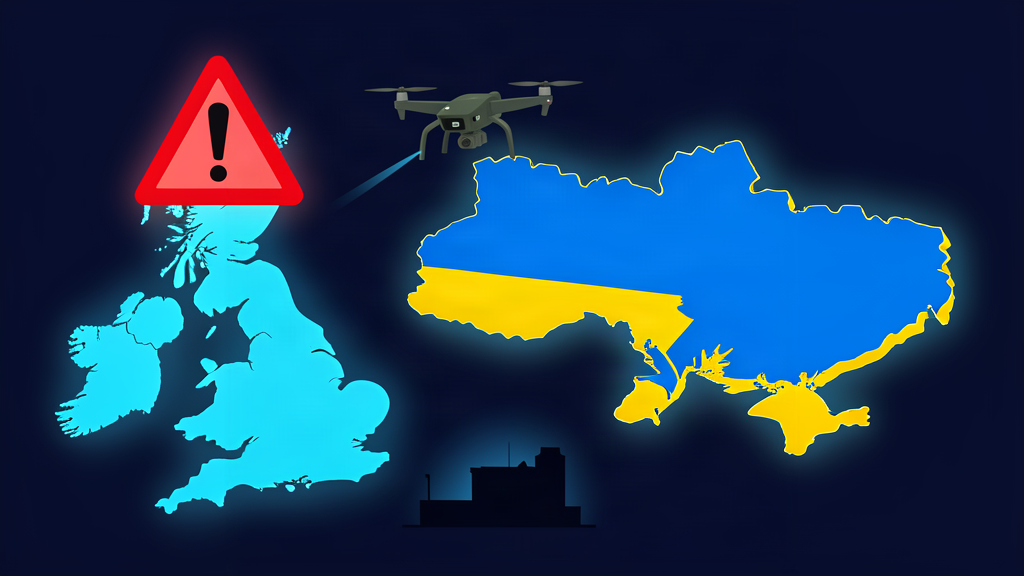
The United Kingdom will back Ukraine “100%” through what the Prime Minister called its “hour of need”, Andy Burnham said on Tuesday, brushing aside a blunt Russian warning that British weapons are dragging the West deeper into the conflict. Speaking after fresh strikes across the region, Mr Burnham insisted Britain’s resolve had not wavered and that London would keep supplying Kyiv with the kit it needs to defend its cities and front line.
What Moscow is angry about
The flashpoint is British-made drones. Russia’s foreign ministry has accused the UK of deliberately “escalating” the war by shipping sophisticated unmanned aircraft assembled in Britain to Ukrainian forces. Moscow claims the deliveries cross a line and has warned of consequences for what it describes as London’s direct involvement. The Prime Minister rejected that framing, arguing that helping a sovereign neighbour repel invasion is lawful, moral and squarely in Britain’s own security interest.
Why this matters for people in the UK
For households at home, the row is not abstract. Aid to Ukraine is funded from the same Treasury pot as public services, and every new commitment sharpens the debate over how much Britain can afford. The standoff also keeps energy markets on edge: previous rounds of Russia-West confrontation have pushed up wholesale gas and electricity prices, feeding household bills. Sanctions and counter-sanctions can disrupt supply chains that touch British manufacturers and farmers alike, while defence contracts are reshaping industry and jobs across the country.
A test of alliances and NATO
Mr Burnham’s pledge lands as allies watch whether Western unity holds. Washington and European capitals have echoed support, but each weighs the risk of provoking Moscow differently. Britain has positioned itself among the firmest backers, a stance that strengthens its voice in NATO yet raises the stakes if tensions spiral. Analysts note British drone technology has become a flagship of that commitment, with domestic firms scaling production to meet demand from Kyiv.
What happens next
Downing Street says supplies will continue and no red line has been crossed. Russia is expected to keep up diplomatic pressure and may target British interests indirectly. For now the message from London is fixed: support for Ukraine is total, and Moscow’s warning will not change course. The coming weeks will show whether the rhetoric hardens into something more consequential for British citizens and the wider European security order.
The domestic political stakes
At home, the pledge commands broad cross-party support, with opposition figures generally backing aid while pressing the government on value for money and long-term strategy. The debate reflects a deeper question facing Britain: how to balance global leadership and military backing for Ukraine against the rising cost of living and mounting pressures on the public finances at home.

ADVERTISEMENT
Source: Original report. Rewrite for Your News Website.














Really helpful article, thank you – looking forward to more like this!
Really helpful guide, thank you – looking forward to more like this!