

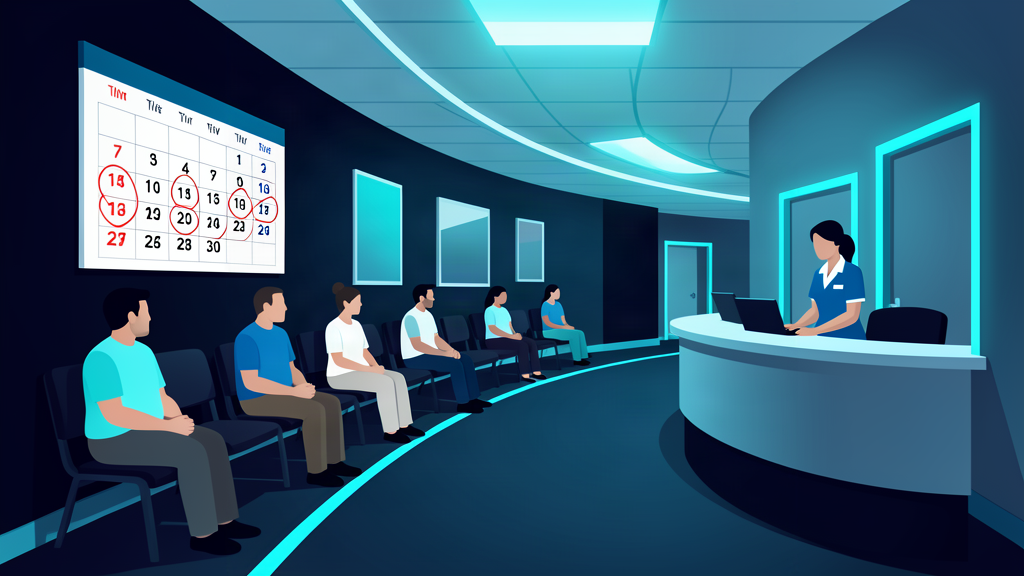
Cancer care in England has deteriorated since the government announced plans to cut waiting times and save more lives, according to analysis by the BBC. The findings arrive as patients continue to face delays in diagnosis and treatment across the country, with some reporting that their cancer spread while they waited months for surgery.
A system under strain
The BBC’s analysis indicates that key performance measures in cancer care have worsened rather than improved since policymakers set out ambitions to accelerate treatment pathways. Wait times for diagnostic tests, consultant appointments, and surgical procedures have all come under scrutiny, with clinicians and patient groups warning that the backlog is having direct consequences for survival and quality of life.
Patients who spoke to the BBC described waiting months for operations that they had been told were urgent. In several cases, the delay coincided with a progression of their disease, leaving them facing more aggressive treatment than would otherwise have been necessary. These accounts point to a gap between policy targets and the lived experience of people navigating the NHS.
The NHS has long faced pressure on its workforce and capital infrastructure. Cancer services depend on coordinated diagnostic capacity, radiology, pathology, and theatre time, all of which have been squeezed by staffing shortages and competing demands across the health service. When any part of that chain slows down, patients awaiting results or procedures feel the impact downstream.
Why it matters
Cancer wait times are one of the most sensitive indicators of how well a health system is functioning. Delays in diagnosis and treatment are associated with later-stage disease, fewer treatment options, and poorer outcomes. For a government that has framed faster cancer care as a priority, evidence that performance is slipping carries both political and human cost.
The issue also speaks to broader questions about capacity in the NHS. If the service cannot reliably meet target wait times for cancer, which commands strong public attention and cross-party support, it raises doubts about the resilience of the system more generally. Patients, clinicians, and policymakers are all watching to see whether the promised improvements translate into shorter waits on the ground.

ADVERTISEMENT
What happens next
The BBC analysis is likely to intensify scrutiny of cancer recovery plans and the resources committed to them. Patient groups and opposition figures may press for more detail on where the bottlenecks lie and what additional investment or reorganisation is required. The government will face questions about whether existing targets remain achievable and what contingency plans are in place for those still waiting.
For patients, the immediate concern is practical: how long they will wait and whether their condition will change in the meantime. The coming months will show whether the health service can begin to close the gap between ambition and delivery, or whether the backlog continues to widen.














We do not allow links of any sort in comments. No SPAM whatsoever. On topic comments only.