

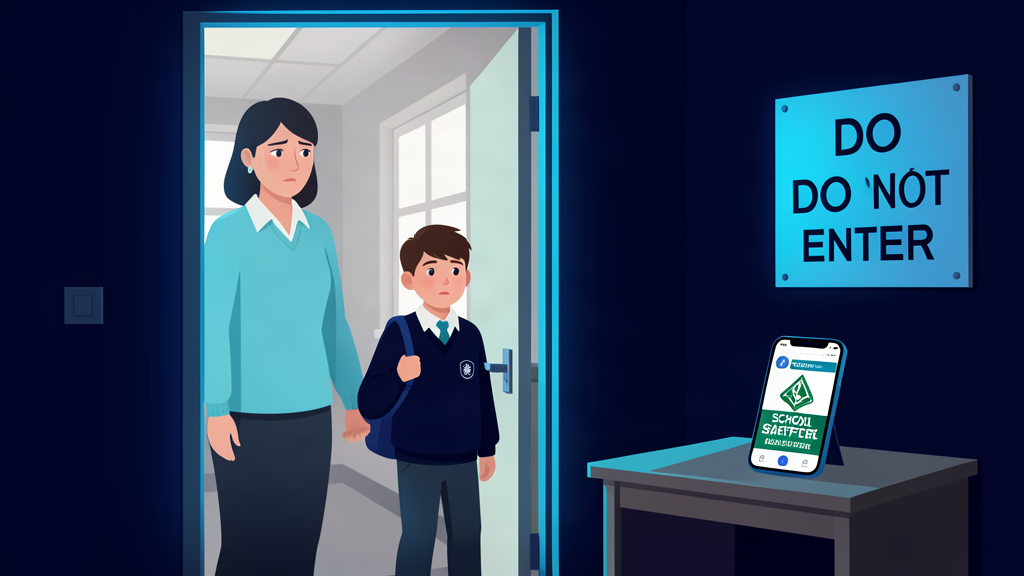
The Scottish Government has moved to reassure families after police said more than 470 schools in Scotland received emailed hoax bomb threats, with officials describing the warnings as carrying no risk to the public. Emergency services were alerted to the messages, which were sent across the country, and were told they had been assessed and treated as hoaxes within hours of being reported. No injuries were reported, and there was no credible threat to anyone in the affected areas.
Why it matters
The incident placed school safety at the centre of a busy day of emergency planning in Scotland. With the new term well under way, a wave of hoax threats has raised concern among parents, teachers and police about the pressure false alarms place on frontline services and the disruption they cause to pupils. Hoax messages of this kind are designed to trigger a response, and each one can tie up officers, ambulances and emergency staff who may need those resources elsewhere. Officials stressed that rapid assessment, rather than panic, was the correct first response to each message, and that acting on unverified alerts can create unnecessary risk of its own.
Hoax bomb threats targeting schools are a recurring problem across the UK. They are designed to make emergency services respond to a site that is not in danger, and they divert officers and ambulances from real incidents. Teachers’ representatives and safety campaigners have repeatedly called for greater public awareness of the effect these emails have, and for schools to run regular drills on how to respond.
What happens next
Police Scotland confirmed it is working with education authorities to trace the origin of the emails. The government minister involved said any school that receives a similar message should contact the police immediately rather than closing or moving pupils unnecessarily, and that staff should continue to follow existing safeguarding protocols. The authorities said they would review how the messages were sent and whether any further action is required.
Authorities said they would treat any future reports in the same way, with each message assessed individually rather than assumed genuine. That approach is intended to keep the public safe while avoiding unnecessary disruption. Officials also asked schools to consider their own communication plans so that parents receive clear information quickly after an incident is resolved.
How the messages were handled
Each school that received a warning was told to treat it as a potential threat until it was assessed. Police Scotland said the warnings were identified as hoaxes after an initial assessment, and no further action was required. Education leaders were briefed and told to remain vigilant, with particular attention to younger pupils who might be alarmed by the messages.

ADVERTISEMENT
What schools and parents should do
The safest course, officials said, is to report any suspicious message to the police rather than to respond directly. Schools were advised to keep routines normal and to reassure pupils, while parents were asked to watch for signs of distress and to contact their child’s school if they had concerns. Administrators were reminded that a calm, proportionate response helps keep both children and emergency services safe.























We do not allow links of any sort in comments. No SPAM whatsoever. On topic comments only.