

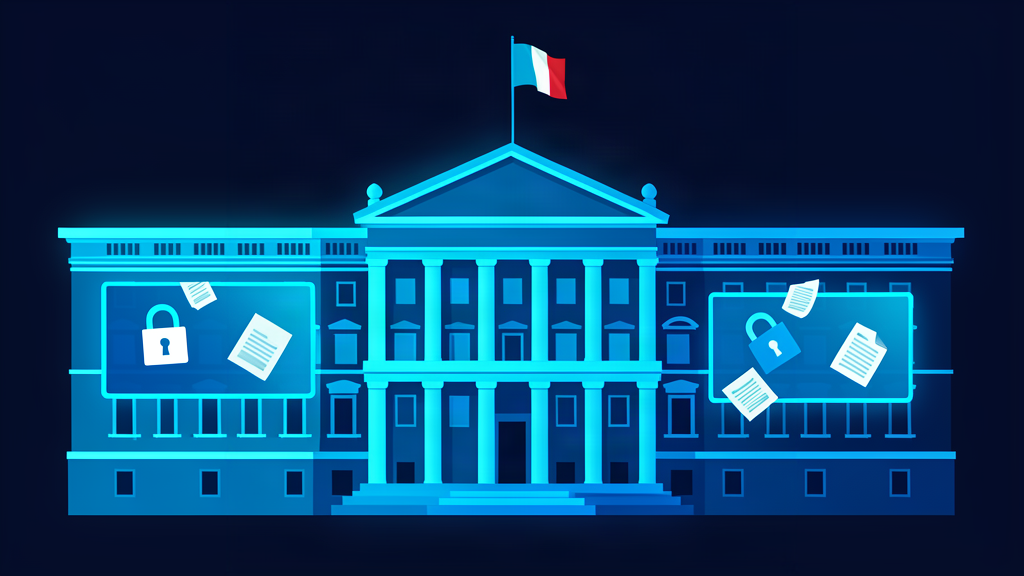
Pro-Russian hackers have leaked data belonging to Italy’s foreign minister on the dark web, in an incident that the Italian prime minister has blamed on pro-Russian actors and that the country’s top diplomat says reflects an ongoing cyberthreat. The report, published by Al Jazeera on Saturday, describes the leak as part of a continuing pattern of cyber pressure rather than an isolated intrusion. The summary does not specify what data was leaked, how it was obtained, or whether it came from the foreign ministry’s own systems, from a contractor, or from a separate source, and those distinctions will matter for any assessment of the damage.
A leak in a wider campaign
Italian officials have in recent years repeatedly attributed cyber intrusions, disinformation and data leaks to pro-Russian actors, particularly since the full-scale war in Ukraine began. The foreign minister’s personal or official data appearing on the dark web fits that pattern, because the value of such material is often not only in its content but in the pressure it creates. Leaked emails, contact details, travel information or internal documents can be used to embarrass officials, to seed further phishing or impersonation attacks, and to fuel disinformation narratives. Al Jazeera’s summary says the prime minister blames pro-Russian hackers for the leak and that the foreign minister described the cyberthreat as ongoing, which suggests Rome is treating the incident as one episode in a sustained campaign rather than a one-off criminal hack.
Attribution in cyber cases is rarely straightforward, and the brief public report does not publish the technical evidence behind the attribution. That is normal in the early stages of an incident, when investigators are still determining the scope of the breach, the point of entry and whether data was taken or merely republished from an earlier compromise. It is also possible for material to appear on the dark web long after it was stolen, which can complicate timelines. The key public question is therefore not only who carried out the leak, but what was exposed, whether systems have been secured, and whether any individuals other than the foreign minister are affected.
The diplomatic dimension
A leak involving a foreign minister carries a diplomatic weight that a leak involving a private individual does not. Foreign ministers handle sensitive negotiations, intelligence-sharing relationships and crisis communications, and even metadata about who they communicate with can be valuable to hostile actors. Italy is a founding member of the European Union and a NATO ally with a significant role in supporting Ukraine, which makes its diplomats a logical target for Russian-aligned cyber operations. The leak therefore has implications beyond domestic cybersecurity, touching on how Italy protects its diplomatic communications and how European partners share information with each other.
Why it matters
For the UK, the incident is a reminder that senior officials across Europe are targets in a sustained campaign of cyber espionage and disruption. The same techniques, phishing, credential theft and dark web publication, are used against government departments, parliamentarians and public servants in Britain. The Italian case underlines why phishing-resistant authentication, rapid incident response and careful handling of personal data are not just IT matters but national security matters.
What happens next
Al Jazeera’s report does not say whether Italy has formally raised the leak with European partners, whether any arrests have been made, or whether the leaked data has been verified and assessed. Expect Italian authorities to confirm the scope of the exposure, to harden the affected systems and to consider whether any diplomatic communications need to be treated as compromised. The description of the threat as ongoing suggests that the leak will be treated as a prompt for wider defensive measures, not as a single incident to be closed.















We do not allow links of any sort in comments. No SPAM whatsoever. On topic comments only.