

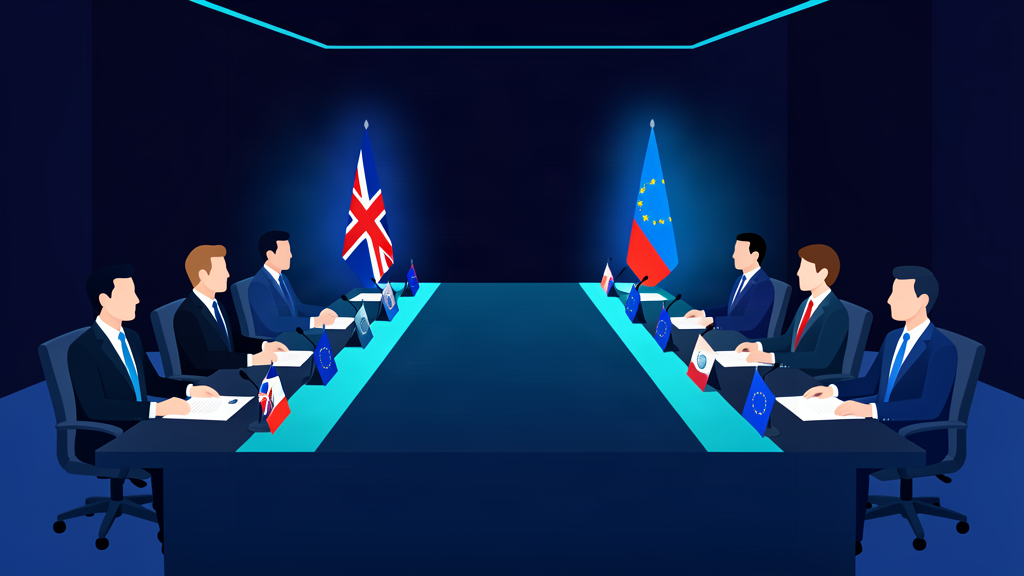
Prime Minister Andy Burnham is preparing for a second annual EU-UK summit in Brussels on 20 November while openly suggesting the United Kingdom could one day rejoin the European Union, a prospect that government insiders say will not be straightforward.
The summit is not intended to decide whether Britain returns to the bloc. The immediate business is a broad deal that has been in negotiation for months, described by one source familiar with the talks as 90 percent agreed. That package includes measures to ease life for food producers, a deal on emissions trading that could help manufacturers, and new arrangements for youth visas, although the two sides are still haggling over a cap on numbers. The EU has proposed a cap of 150,000 while the UK has proposed 50,000, with compromise expected. An EU demand to cut tuition fees for European students is expected to be parked for further discussion.
Closer alignment and its costs
Burnham has spoken of closer alignment and has quoted figures suggesting closer ties without rejoining could add 0.4 percent to GDP. He has acknowledged Britain would have to follow more EU rules, saying that is where we have ended up. The debate goes back to a familiar dilemma, about how much control the UK is willing to accept in return for bigger economic wins. That tension was illustrated by a row over food labelling, including a dispute over snack products that has become symbolic of the wider trade-off between easing business with the continent and resisting new rules imposed from Brussels.
A longer-term ambition
Burnham has gone further than his predecessors by dangling the possibility of a return to the EU, including freedom of movement for Britons to live and work on the continent and vice versa. He believes public attitudes have shifted, with polling suggesting a majority now support applying to rejoin, and the idea chimes with many Labour activists as well as Liberal Democrat, Green and SNP voters. Former EU Brexit negotiator Michel Barnier warns the UK cannot pick and choose a relationship à la carte. If Britain wanted to return, there would be no rebate and no way into the single market without accepting freedom of movement. One government figure says there are lots of very warm words but quite a lot of arms folded, while an EU insider questions whether Burnham knows what he is doing. Reform UK deputy leader Richard Tice accuses the prime minister of trying to sneak Britain back via the back door.
Why it matters
The Brussels summit will test whether Burnham can deliver practical trade agreements without triggering a toxic domestic row over sovereignty and money. Business backing for closer ties is likely to depend on sector, with food exporters and manufacturers favouring easier access while others who have already paid to rearrange supply chains are less certain about unpicking those arrangements.
What happens next
Negotiations will continue into the 20 November summit, with the youth mobility cap and remaining food and emissions details expected to dominate. How the prime minister phrases any long-term ambition on rejoining will shape the political reaction at home and the mood in Brussels, with the success or failure of the summit offering a first measure of what a fuller rapprochement might involve.






















We do not allow links of any sort in comments. No SPAM whatsoever. On topic comments only.