

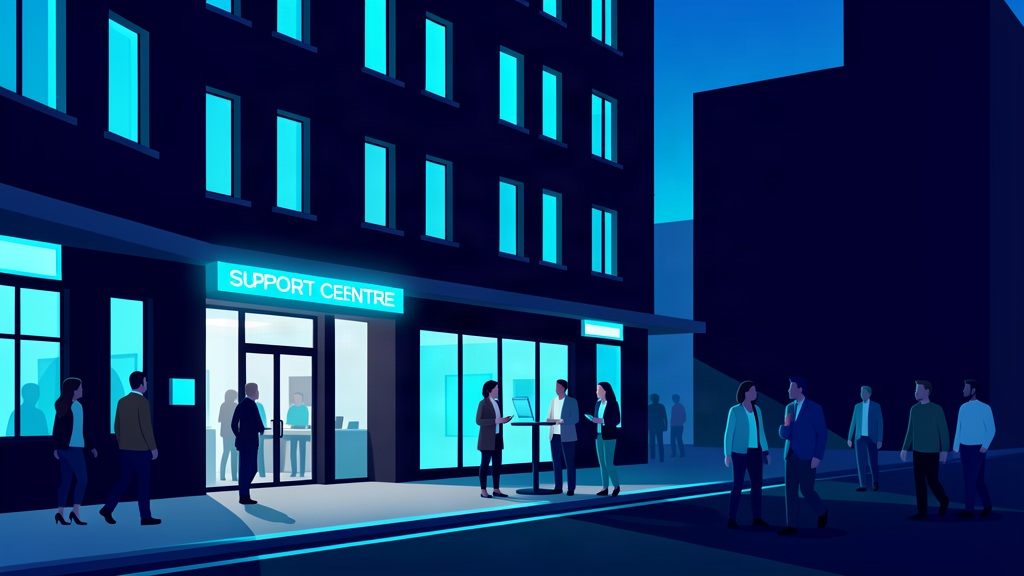
The NHS support service for Grenfell Tower survivors and bereaved families is facing a funding cut, according to BBC News, with councillors calling for long-term funding ahead of the tenth anniversary of the fire.
The service provides physical and mental health support to people directly affected by the devastating blaze, which killed 72 people in June 2017 and transformed public debate about building safety, housing and the duty of care owed by the state to residents of high-rise homes. The fire remains a defining national trauma, and its anniversary is expected to prompt renewed scrutiny of whether support for survivors has been sustained or allowed to fade as the years pass.
What the service provides
According to the BBC report, the support service offers more than a single appointment or drop-in session. It is designed to help survivors navigate the complex and continuing consequences of the fire, including trauma, anxiety, sleep problems, physical injuries and the practical burdens that follow bereavement and displacement. For many families, recovery has not been a straight line. Some have rebuilt their lives in new homes, others continue to live with health effects and memories that make anniversaries particularly difficult, and many still describe feeling uncertain about the future.
Councillors quoted in the report have argued that a short-term funding model does not match the long-term nature of that need. They say a service built around survivors must be able to plan ahead, retain experienced staff and offer continuity, rather than forcing people to re-tell their stories whenever a contract changes. The call for long-term funding is therefore not only about money, but about trust: survivors were promised support, and local leaders and campaigners say that promise should not depend on annual funding rounds.
Why it matters
The Grenfell fire exposed failures in building safety, regulation and the treatment of residents’ concerns that are still being addressed through inquiries, legislation and remediation work. The support service is part of the human response to those failures. If it is cut, the impact will be felt by people who already lost relatives, friends, homes and a sense of security. It would also send a wider signal about how the country treats survivors of major disasters once the immediate public attention has moved on.
For health services more broadly, the case illustrates a recurring challenge. Trauma-informed support often works best when it is stable, local and tailored to a specific community. Short funding cycles can make that harder, even when the underlying need is clear and enduring. The debate in west London therefore resonates beyond Grenfell, touching on how the NHS and local authorities plan for communities affected by disasters, industrial incidents and other collective traumas.

ADVERTISEMENT
What happens next
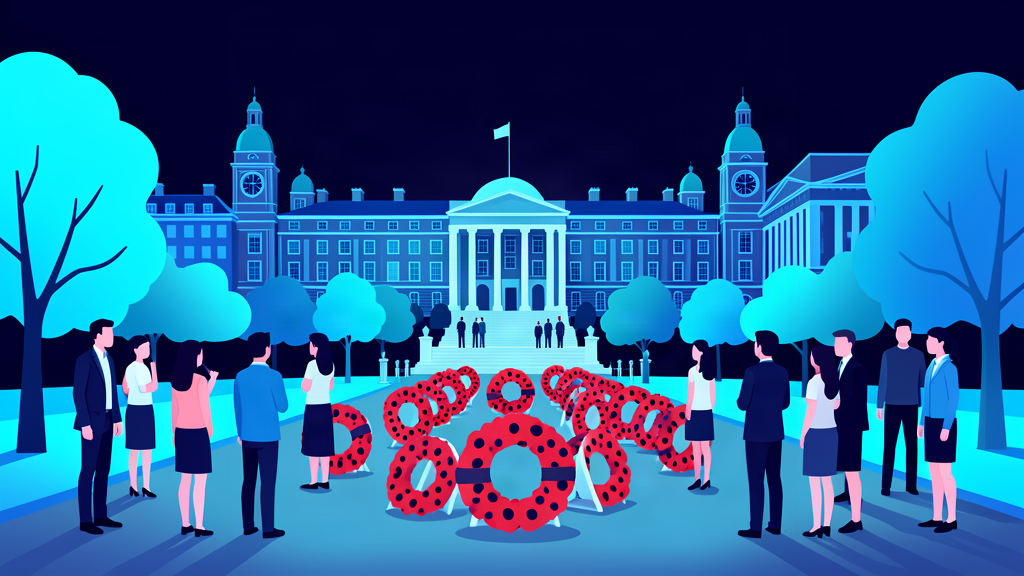
The BBC says councillors are calling for long-term funding ahead of the tenth anniversary, and attention will now focus on whether commissioners, the NHS and government confirm a settlement that gives the service security beyond the current period. The anniversary itself is likely to bring further commemorations, media coverage and parliamentary and local scrutiny of the progress made since 2017.
Survivor groups are expected to press for clarity about what will change, when decisions will be made and how they will be involved in shaping the future service. Until funding is confirmed, uncertainty remains for both staff and the families who rely on the support. As the tenth anniversary approaches, the question for decision-makers is whether long-term help will be treated as a continuing obligation, or whether the service will be asked to do more with less.













We do not allow links of any sort in comments. No SPAM whatsoever. On topic comments only.