

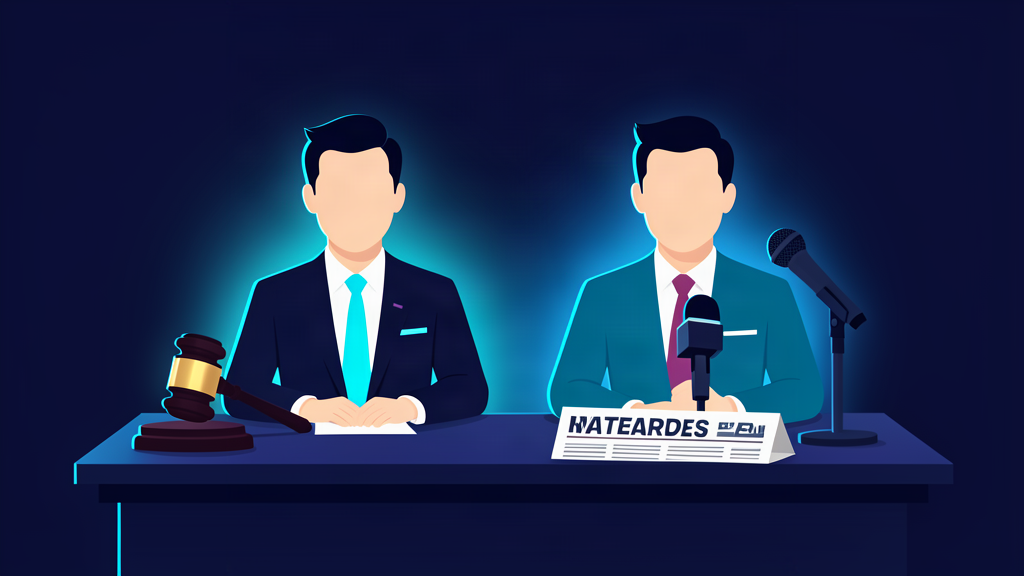
Two high-profile British figures, Russell Brand and the television personality David Walliams, have both persuaded courts to suppress misconduct allegations against them. The parallel rulings have put a spotlight on the use of gag orders in British law, with some commentators calling for the rules on libel and the public interest to be recalculated.
Both cases have seen courts suppress details of serious allegations, shielding the people concerned from public disclosure while legal proceedings continue. The decisions have frustrated some campaigners, who argue that the public should have access to more information, while others have welcomed the principle that individuals are entitled to a fair legal process free from premature exposure.
The rulings have set off a wider debate about the balance between reputation and the public interest, and about the role of the courts in managing stories that play out in the media. With social media inflating the speed at which unauthorised material spreads, the courts’ power to freeze the narrative is under fresh scrutiny, and legal experts are wrestling with where the line should be drawn.
Why it matters
The issue matters because it sits at the junction of celebrity, law and the public’s right to know. British courts sit at the centre of a system that is among the most active in the world in granting gag orders, and the decisions of judges in high-profile cases shape how the media report on serious allegations and how the public understands them.
For the public, the question is whether the law protects reputations effectively, or whether it shields the powerful from scrutiny. The responses of commentators and legal experts will help define where the line should be drawn, with the outcome likely to be debated in the press and on social platforms as the cases continue to unfold.
The rulings are expected to be tested as the underlying allegations move through the courts, with both cases likely to attract appeals that could clarify the boundaries of press freedom. Media lawyers will be watching closely for any ruling that sharpens the definition of what can and cannot be reported in the UK.

ADVERTISEMENT
What happens next
Legal proceedings for both individuals are expected to continue, with the courts’ decisions likely to be tested on appeal. Judges may also be asked to revisit the boundaries of what can and cannot be reported, and the wider debate about libel and gag orders may prompt calls for reform.
The cases will continue to run side by side, with the courts’ decisions likely to be tested as the underlying allegations move through the legal process. How the courts and the media navigate the tension between privacy and the public interest will be the story to watch.
Media lawyers expect both cases to be appealed, with the rulings likely to be examined for any hint of a tightening of the rules around media reporting. The outcome could resonate far beyond the two individuals at the centre of the dispute, with publishers and broadcasters watching closely for signs of a new chapter in the country’s libel laws.




















We do not allow links of any sort in comments. No SPAM whatsoever. On topic comments only.