


Prime Minister Andy Burnham is preparing to tell European leaders that the Brexit deal the United Kingdom received has not worked, and that the country lost more than it gained, in a speech expected on Monday. According to the BBC, the prime minister will use the address to argue that the “Brexit we were given has not worked” and to outline the conditions he believes are needed for a reset in Britain’s relationship with the European Union.
The context in five points
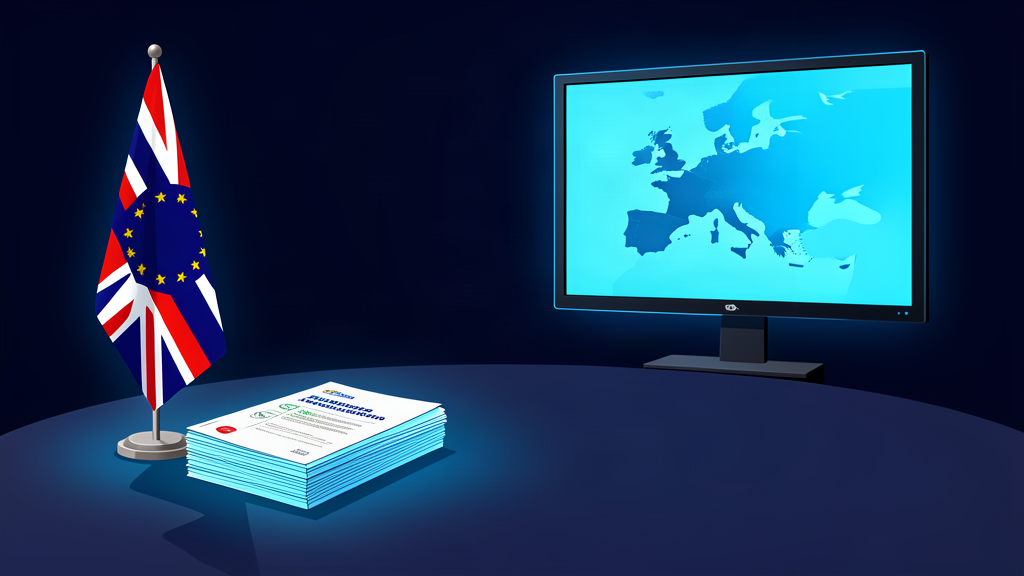
The speech is expected to land at a summit of European leaders, where the UK’s future relationship with the EU will be the dominant topic of discussion. The prime minister has spent the past week laying the groundwork for a more constructive tone, holding talks with counterparts in Paris and Berlin and signalling a willingness to drop some of the red lines that defined the original separation. The address is being awaited with interest by financial markets, which have priced in a range of outcomes from a softening of posture to a more fundamental renegotiation of the UK’s place in Europe.
The speech in full
The address is expected at a meeting of European leaders, and the BBC will carry the full text of the prime minister’s remarks alongside footage of the delivery. He is expected to criticise the terms of the separation deal and to argue that the UK’s future prosperity depends on a reset in its relationship with Brussels. The speech follows a week of intense diplomatic activity in which the prime minister has pushed for closer alignment with his French and German counterparts, and it is likely to be watched closely by markets, business groups and opposition parties alike.
Why it matters
The speech is significant because it marks a rare moment in which a serving prime minister has openly argued that the Brexit project has not delivered for the UK. It matters for households, businesses and lawmakers who have spent years navigating the practical consequences of leaving the EU, from trade and labour to borders and regulation. It also signals a shift in tone: the government is ready to acknowledge that the original arrangement did not work as intended, a stance that could open the door to a softer position toward the EU in the years ahead. For a political class still shaped by the 2016 referendum, any softening on Brexit is likely to be closely debated at home and read closely in Brussels, where officials are already weighing how they will respond.
What happens next
Later this week, the prime minister will speak at a summit with European leaders, and the BBC will report on the address as it is delivered and on the reaction from European capitals. The speech is expected to set out the prime minister’s view that the current arrangement is not working and to propose the conditions he believes are needed for a better relationship. The BBC will track how the political reaction develops and how EU officials respond to the prime minister’s stated position. For now, the address is expected to dominate the UK political agenda for the coming days, with the prime minister expected to hold his first major interview on the matter after he has delivered.



















We do not allow links of any sort in comments. No SPAM whatsoever. On topic comments only.