


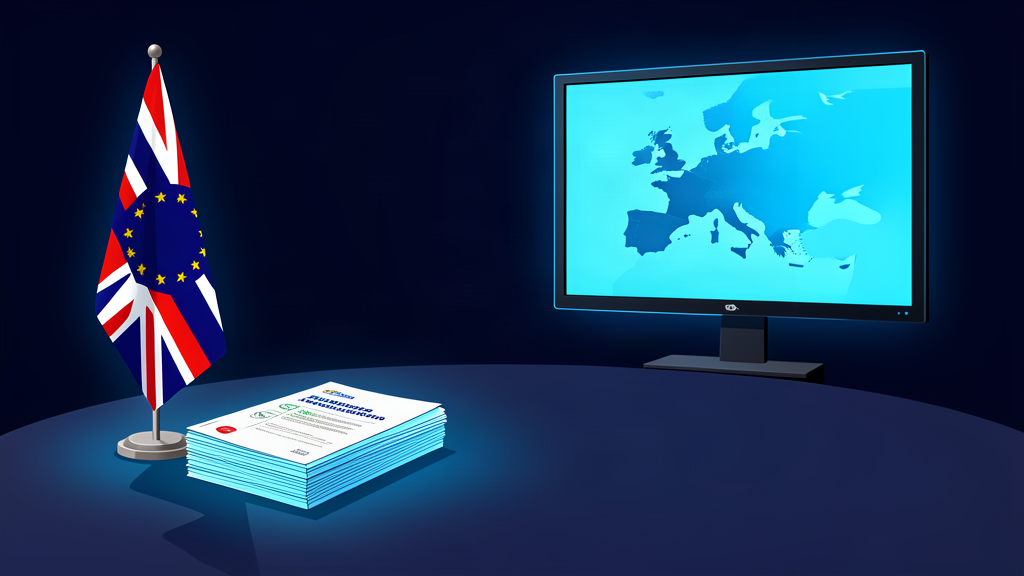
Former prime minister Boris Johnson has said Britain would vote to leave the European Union again if the decision were put to the public, while warning that a ban on “zero hours” contracts would cost the economy billions of pounds, the BBC has reported. His comments come as some of Monday’s newspapers lead on the reaction to the prime minister’s bid for closer ties with the European Union.
The exchange on the record
Johnson made the remarks in an interview captured by the BBC, in which he said the public had made the right choice in voting to leave and would make it again. His warning on zero-hours contracts was framed as a defence of flexible working against new legislation, with the cost claim attached to the proposed ban on such arrangements. The comments were delivered against the backdrop of the prime minister’s own bid to reset Britain’s relationship with the EU, which dominates the political agenda this week. Johnson’s intervention is significant because it shows the continued political temperature around Brexit, more than a decade after the 2016 referendum.
Why it matters
Johnson’s claim that Britain would back leaving again is likely to be seized on by both sides of the debate, and it underscores how the arguments that dominated British politics for years still resonate in the present. His warning about the cost of a ban on zero-hours contracts is also notable: it frames a labour-market policy as an economic issue, a classic approach for a former prime minister seeking to stay relevant in the national conversation. The reaction to the prime minister’s EU-ties bid, which dominates the papers this week, shows that the UK’s relationship with Europe remains a live and divisive theme in British politics, with every party working out how it positions itself for the next election.
The politics in full
The exchange was delivered against the backdrop of a wider debate within British politics about the direction of the country’s relationship with Europe, and it is likely to be referenced by both sides of the argument as they fight their case in the coming months. Johnson’s remarks add to a body of commentary from former prime ministers and senior politicians who have expressed opposing views on the wisdom of the 2016 decision, and the exchange keeps the question of the UK’s place in Europe on the front page. The matter remains a live one in British politics, and how the government responds will shape the way the debate develops over the coming weeks and months.
What happens next
The newspapers’ focus on the prime minister’s EU-ties bid suggests that the UK’s direction in its relationship with Europe will remain a talking point in the coming days. Johnson’s remarks are likely to be debated in the Commons and on the morning programmes, with supporters and opponents weighing in on his claims. The BBC will track how the political reaction develops and whether any of his specific statements — on Brexit or on zero-hours contracts — are challenged by the government. The political parties will use the exchange to argue about the UK’s place in Europe, and the prime minister will be watched for any sign that his softened tone is crumbling at home or in Brussels. The exchange also keeps the debate about the UK’s future relationship with Europe on the front page, and the outcome of any new referendum would reshape the political landscape for a generation.






















We do not allow links of any sort in comments. No SPAM whatsoever. On topic comments only.