

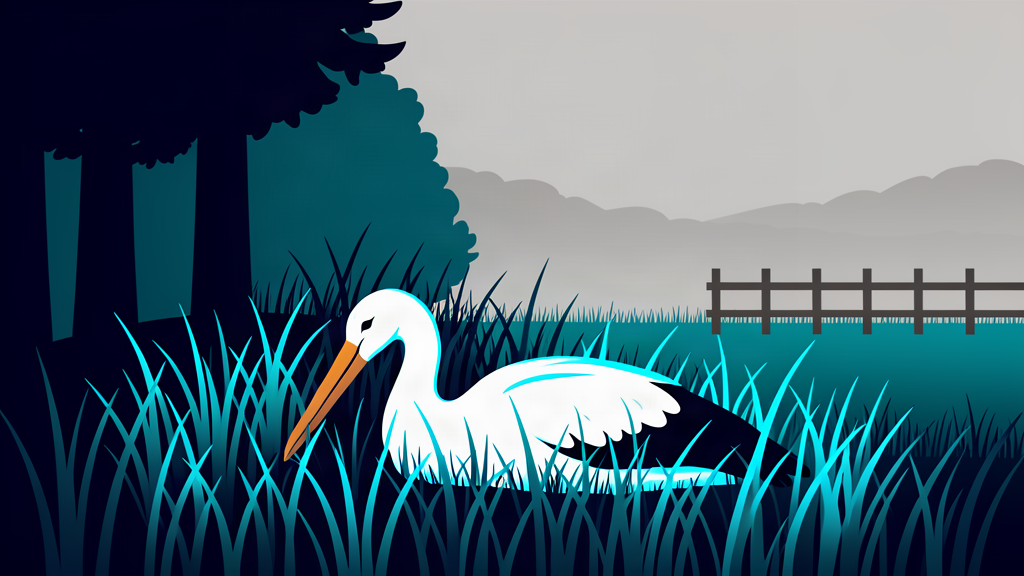
The war in Ukraine has taken a severe toll on the country’s wildlife, with dolphins, moose, storks and a huge range of other animals now living in landscapes that are sometimes in the direct line of fire. The report, from the New York Times, documents how conflict has reshaped the natural world across Ukraine.
Anti-drone netting, minefields and active fighting have altered habitats and forced animals into unfamiliar and often dangerous surroundings. The report highlights the scale of disruption to species that have no direct part in the conflict but are nonetheless paying a heavy price for it.
For UK readers, the degradation of Ukraine’s natural environment is a reminder of the far reach of modern warfare. When conflict displaces wildlife on this scale, the consequences extend beyond individual species, affecting ecosystems, agriculture and the landscape that communities depend on for generations.
Why it matters
The UK has been a strong supporter of Ukraine throughout the war, and the suffering of the country’s natural world is part of the wider human and societal toll of the conflict. The story also underscores a less visible cost of war that is often overlooked: the long-term damage inflicted on the environment and on the creatures that share the land.
The environmental damage wrought by the war is likely to endure long after the fighting stops, affecting the soil, the water and the habitats on which both wildlife and people depend. That legacy is part of the broader cost of war that far exceeds the immediate destruction of buildings and infrastructure.
The report serves as a reminder that the full cost of conflict is measured not only in lives lost and cities destroyed, but in the slow and often irreversible harm done to the natural world.

ADVERTISEMENT
What happens next
As hostilities continue in parts of the country, wildlife will remain exposed to the dangers of landmines, drones and active fighting. Recovery for habitats and animal populations is likely to be slow, and the report suggests that the full scale of the damage may only become clear over time.
The wider lesson is that the aftermath of war includes rebuilding not just homes and institutions, but the landscapes and wildlife that sustain communities. For Ukraine, that will mean a long recovery in which environmental restoration becomes part of the wider effort to rebuild the country.
Restoration will require sustained commitment and international support, and the fate of Ukraine’s wildlife will be a long-term measure of how successfully the country can rebuild.




















We do not allow links of any sort in comments. No SPAM whatsoever. On topic comments only.