

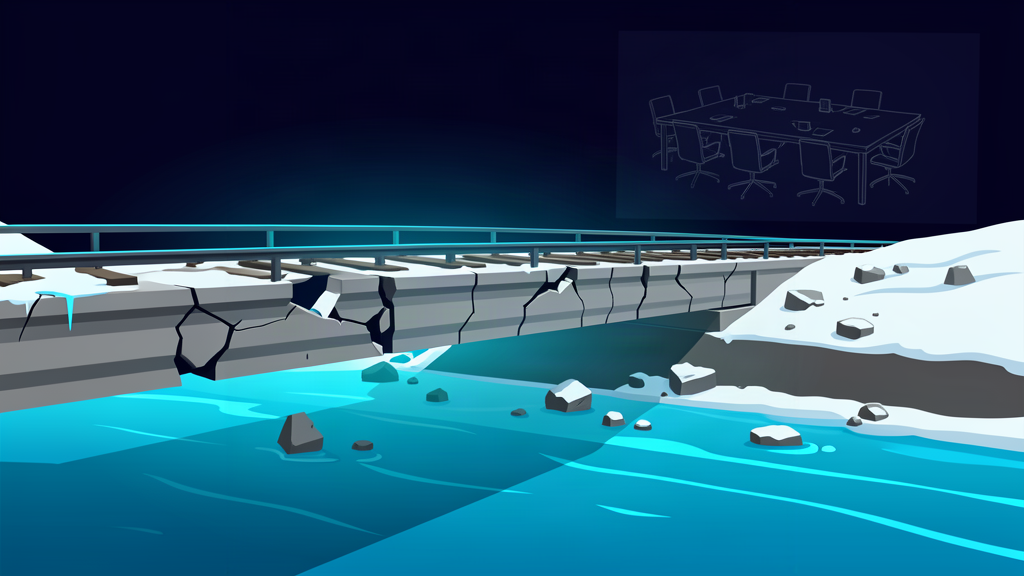
Following a bridge attack, Russian President Vladimir Putin has said he will not be negotiating a ceasefire with Ukraine, according to the New York Times. The Russian leader has invited European representatives to Moscow to discuss giving them a role in negotiations, though it remains unclear how serious the offer is.
The comments come after a bridge attack that drew fresh international attention to the fighting. Putin’s statement that he will not negotiate a ceasefire signals a hardline position, while his invitation to European representatives to Moscow points to a possible diplomatic channel through which European powers might seek to engage.
The war in Ukraine has drawn strong involvement from the UK, and British policy has consistently emphasised support for Ukraine and pressure for a negotiated settlement. Putin’s refusal to negotiate a ceasefire is therefore a direct challenge to the view held in many Western capitals that diplomacy has a role to play in ending the fighting.
Why it matters
For UK readers, the story is also a reminder of the stakes involved in the conflict, which has reshaped security assumptions across Europe. The prospect of European representatives being drawn into the negotiation process raises questions about the role that allies might play, and the extent to which the war’s outcome will be shaped by the parties directly involved and their international partners.
The conflict has also prompted reassessments across European capitals about defence spending, deterrence and the future of the continent’s security architecture. The war is no longer a distant regional conflict but a central concern for the UK and its allies.
British officials have consistently warned that a negotiated peace must be durable, and the refusal to engage in ceasefire talks complicates efforts to build international consensus around any proposed settlement.

ADVERTISEMENT
What happens next
The invitation to European representatives may open a diplomatic channel, but whether that translates into meaningful negotiations will depend on the Russian leadership’s willingness to engage and on the conditions it is willing to accept. The offer, as it stands, is ambiguous, and analysts will be watching closely for any sign of movement.
Meanwhile, the fighting is likely to continue in the absence of a ceasefire, with the risk of further attacks and casualties. The diplomatic maneuvering will unfold against the backdrop of a war that shows few signs of reaching a quick conclusion, and both sides are expected to keep gauging each other’s intentions as the conflict continues.
The coming weeks will show whether the offer to European representatives becomes a serious diplomatic initiative or remains a statement of position, and the war’s trajectory will be watched closely by observers across the globe.























We do not allow links of any sort in comments. No SPAM whatsoever. On topic comments only.