

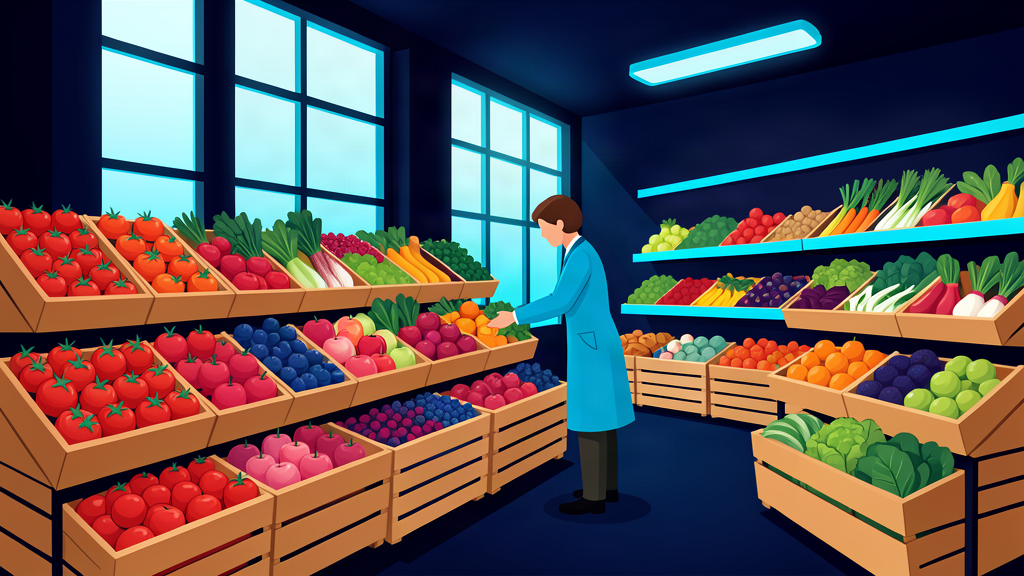
The UK is dangerously exposed to food price shocks because it imports fruit and vegetables from countries that are even more vulnerable to the climate crisis, according to a new report from the Food Foundation reported by The Guardian. Researchers warn that Britain’s reliance on heat-stressed growers overseas leaves shoppers at the mercy of droughts, wildfires and extreme heat in regions far beyond its own borders, at a time when much of the domestic crop has also been damaged by record-breaking weather.
A food system built on imports
About 40% of the food Britain consumes is imported, and much of its fresh produce comes from parts of the world that are already feeling the sharpest effects of a warming planet. Those regions, the report argues, are precisely the ones most likely to see harvests fail or prices surge as heatwaves become more frequent and more intense. The result is a supply chain that looks cheap and reliable in good years but is highly fragile when the climate turns against the growers on whom the UK depends.
This year has already provided a taste of that vulnerability. Much of Britain has sweltered through what researchers describe as a record five heatwaves, alongside drought and wildfires that have damaged crops and cut the yields of domestic produce. With home-grown supplies squeezed, the UK has leaned even more heavily on imports from countries facing their own extreme conditions, exposing the thin margin on which the nation’s fruit bowls and vegetable aisles rely.
The case for growing more at home
The Food Foundation argues that Britain could grow a far greater share of the fruit and vegetables it consumes, reducing its dependence on far-flung and increasingly unreliable producers. Shorter supply chains would not only cut the carbon footprint of the food on our plates but would also shield shoppers from price spikes triggered by overseas weather disasters, shipping disruptions and the political instability that can accompany them.
That argument is not new, but the report gives it fresh urgency. As heat-stressed nations struggle to feed themselves, competition for their exports is likely to intensify, pushing up prices and squeezing availability for importers such as the UK. Investing in domestic horticulture, the researchers say, would be a way of insulating Britain’s food supply from a problem that is only going to worsen.
Why it matters
The report matters because it connects the abstract threat of climate change to something every household depends on: affordable food on the shelf. If the UK’s most important fresh produce keeps coming from regions that are heating up faster than almost anywhere else, then climate disruption abroad will translate directly into higher bills at home, and into a growing risk that certain staples simply become unavailable.

ADVERTISEMENT
What happens next
According to the Food Foundation’s report as carried by The Guardian, the onus is now on government to decide whether to back a serious expansion of domestic horticulture. That would require support for growers, investment in new technology and water, and a willingness to accept that some fruit may cost more if it is grown in Britain. The alternative, the report warns, is to keep gambling on a fragile system that the climate is steadily breaking.
Source: Original report. Rewrite for Your News Website.
























We do not allow links of any sort in comments. No SPAM whatsoever. On topic comments only.