

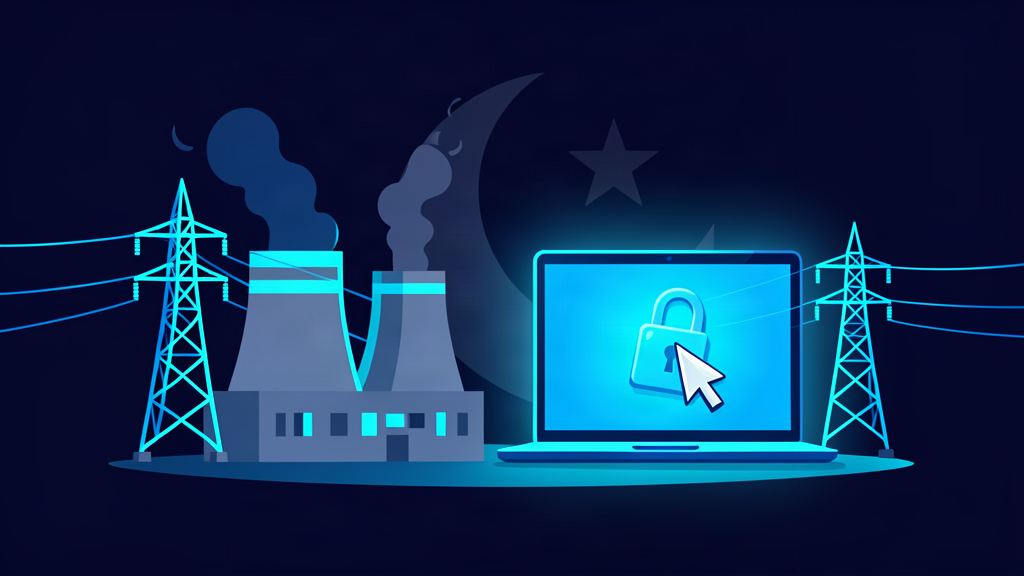
The UK government has briefed energy company chiefs on how to protect their assets after media reports linked Iran-backed hackers to a cyber attack that forced a small British generator offline for four days in July, in what officials say poses no threat to the wider electricity system.
What happened
Reuters, citing The Telegraph and the Financial Times, reported on Monday that a cyber attack attributed to Iran-linked hackers took place in July and forced a small British energy facility offline for four days. The newspapers described the incident as a targeted intrusion against a generator rather than a strike on the national grid. Britain’s Department for Energy Security and Net Zero and the relevant security agencies were drawn into the response.
The alleged involvement of Iran-linked actors arrives against a backdrop of heightened tension between Tehran and Western capitals, and follows a series of reported intrusions against European critical infrastructure in recent years. Attribution in cyberspace is notoriously contested, but the consistency of the reporting has prompted a formal government response rather than quiet remediation.
The government response
On Monday the government convened energy sector leaders to set out steps to harden their operations against similar intrusions. Officials were at pains to stress that the episode did not threaten the broader electricity supply, seeking to reassure households and industry that the lights would stay on. The briefing forms part of a wider push to raise resilience across critical national infrastructure as hostile state-linked activity grows more frequent and more sophisticated. The UK has long warned that its utilities face persistent probing from adversary-linked groups.
Why it matters
The report is a plain warning that the United Kingdom’s energy system is a live target for state-linked cyber operations. Even a small facility going dark for several days demonstrates how a single successful intrusion can disrupt physical operations, not merely steal data. For a country reliant on a complex mix of generators, interconnectors and distribution networks, the incident reinforces the case for continuous investment in defensive capability and for close coordination between operators and agencies such as the National Cyber Security Centre.
What happens next
Energy firms are expected to review their controls and incident-response plans in the coming days, while ministers consider whether additional guidance or regulation is required to lift baseline security across the sector. Reuters and the national press will continue to report on the attribution and on any further details of the July incident. The broader takeaway for the public is that resilience, not just recovery, is now central to keeping the UK’s power flowing.

ADVERTISEMENT
Source: Original report. Rewrite for Your News Website.











Really helpful article, thank you – looking forward to more like this!