

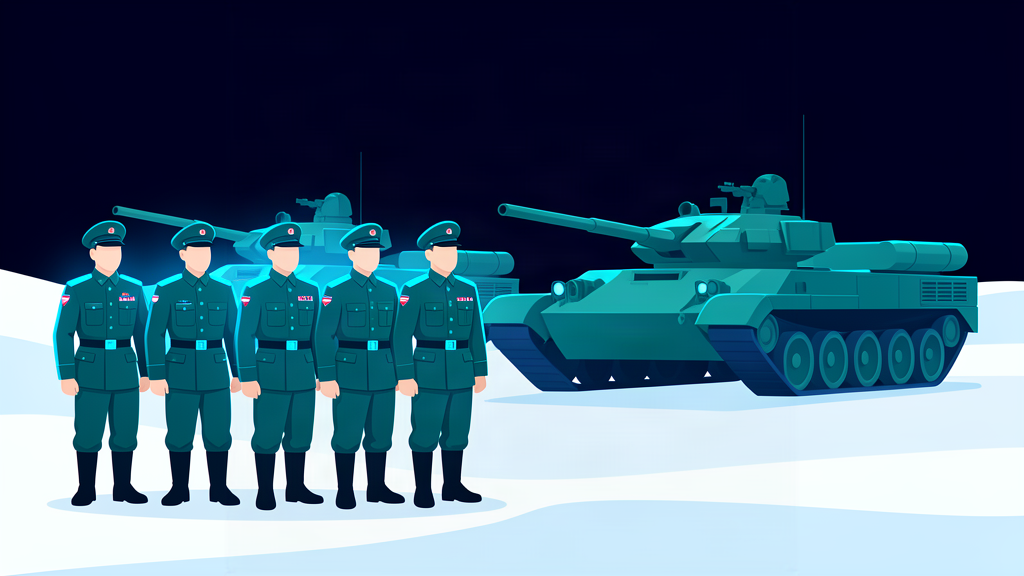
North Korea is expected to send another wave of soldiers to fight alongside Russian forces in Ukraine, according to BBC analysis, but the country’s leadership is likely to weigh the cost of that commitment carefully against what it gets in return.
Why North Korea keeps sending troops
The BBC’s Quentin Sommerville reports that North Korea’s military support for Russia is not simply a matter of ideological alignment. The country’s leadership is thought to be evaluating the arrangement in pragmatic terms, continuing to deploy personnel only for as long as the financial and strategic benefits outweigh the costs.
North Korean troops fighting in Ukraine represent a significant commitment of manpower and materiel. Soldiers sent to the front mean fewer personnel available at home, and the loss of life in a foreign conflict carries political risk for any government. For Pyongyang, the calculus is whether the support it provides to Moscow is earning enough in return, whether in supplies, technology, or diplomatic cover.
The broader picture
The presence of North Korean soldiers in the war has been one of the more striking developments in the conflict’s later stages. It signals a deepening of military ties between Pyongyang and Moscow at a time when both countries face heavy international scrutiny and sanctions.
For Ukraine and its allies, the involvement of troops from an additional state adds another layer of complexity to an already crowded and high-intensity battlefield. It also raises questions about how far the conflict could expand if other states move from supplying weapons to contributing personnel.
Why it matters
The reported decision to send more North Korean soldiers matters because it suggests the arrangement is ongoing rather than a one-off contribution. If Pyongyang sees sustained value in the relationship, the flow of troops could continue, altering the manpower dynamics on parts of the front line.

ADVERTISEMENT
The development also matters for the wider diplomatic picture. North Korea’s role in the war is closely watched by the United States, South Korea, and European governments, all of whom have an interest in limiting the spread of the conflict and the involvement of additional combatants.
What happens next
The BBC’s reporting indicates that the key variable is profitability for Pyongyang. If the returns from supporting Russia start to look thin, the flow of soldiers could slow or stop. If the benefits continue, a further tranche of troops may be dispatched.
For now, the situation is being tracked by analysts and officials who are monitoring troop movements, equipment transfers, and the public signals from both Moscow and Pyongyang. Whether the next wave of North Korean soldiers arrives will depend on the calculations being made in Pyongyang about what the war is costing and what it is still worth.
Source: BBC News, analysis by Quentin Sommerville













We do not allow links of any sort in comments. No SPAM whatsoever. On topic comments only.