

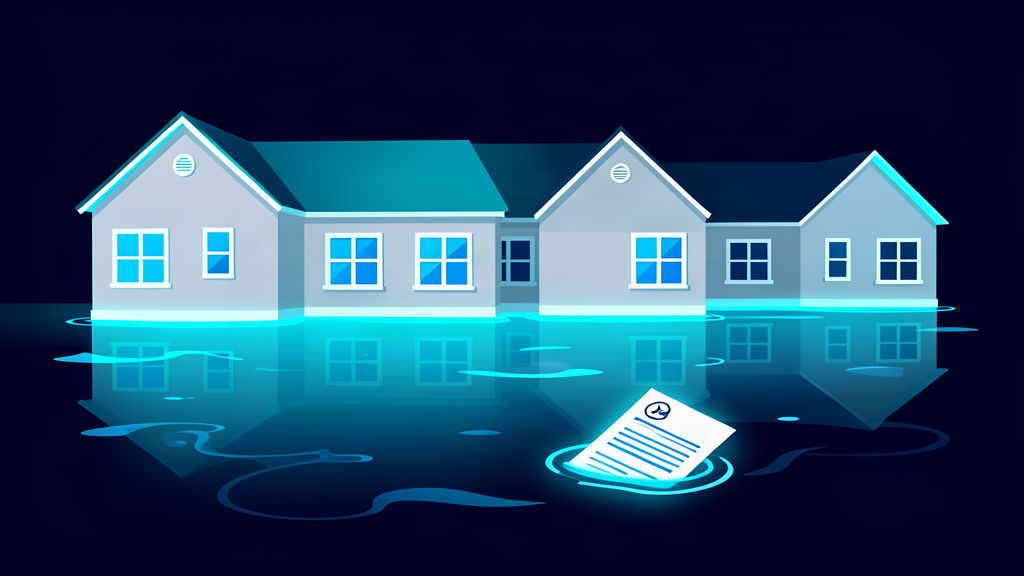
The boss of Aviva has warned that more homes in England are likely to become uninsurable because of flood risk, saying the country is building properties that may not be insurable at some point in the future. The warning, delivered by Aviva’s chief executive Amanda Blanc, points to a growing tension between the demand for new housing and the increasing difficulty of covering properties that sit in areas exposed to flooding.
Insurance, housing, and the flood-risk gap
The insurance industry’s concerns about flood risk are not new, but they have taken on sharper form as climate-related weather patterns have made some areas harder to cover at affordable prices. When an insurer warns that homes are being built that may one day be uninsurable, it is raising a question that goes beyond the immediate premium on a policy: it asks whether some new development is being approved and built in places where the long-term risk may eventually outpace the market’s willingness to bear it.
Insurance is not just a cost for homeowners. It is also a precondition for mortgage lending and for the ordinary functioning of the property market. A home that cannot be insured is a home that is harder to sell, harder to mortgage, and harder to treat as a reliable store of value. That is why a warning of this kind from a major insurer is read not only as an industry concern but as a signal about the health of the wider housing system.
Why it matters
The affordability and availability of home insurance affect large numbers of people, and flood risk is one of the main drivers of that affordability. If more homes become difficult or impossible to insure, the consequences spread into lending, resale values, and local housing markets, with the heaviest impact likely to fall on the very places where development is most contested. The warning also raises a planning question: if insurers believe certain homes are being built in the wrong places, then the planning system, the insurance market, and the expectations of new homeowners are all pulling in different directions.
There is a further complication in that flood risk is not static. Areas that were once considered manageable can become more exposed over time, and insurers have to price risk on the basis of what they expect in the years ahead rather than only what has happened in the past. That forward-looking judgement is one reason why warnings from the insurance industry can sound more urgent than the day-to-day experience of homeowners in unaffected areas.
What happens next
The warning is likely to feed into continuing debate about where new homes should be built, how flood risk should be assessed before planning permission is granted, and what support, if any, is available when insurance becomes unaffordable or unavailable. Consumer groups, local authorities, and the insurance industry may all have a part in that debate, and the question of how to square new housing supply with long-term climate risk is one that does not resolve quickly.

ADVERTISEMENT
For now, the central point is simple and stark: a major insurer believes England is building homes that may not be insurable in the future, and that has implications well beyond the price of a policy.
Source: BBC News. Read the original report at BBC News.






















We do not allow links of any sort in comments. No SPAM whatsoever. On topic comments only.