

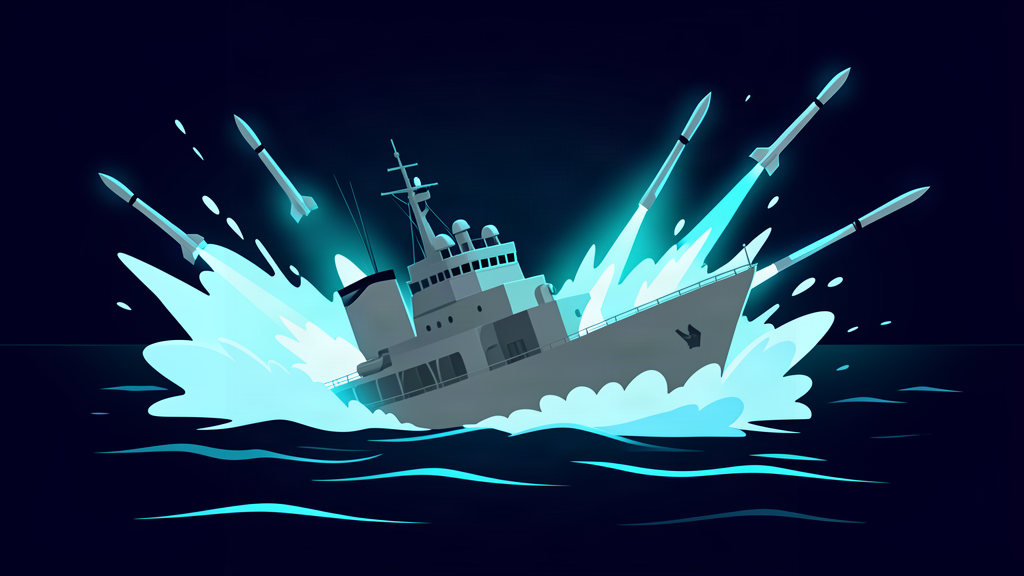
The Royal Navy and United States military have sunk a decommissioned American frigate during a large-scale live fire exercise in the waters off the Outer Hebrides, in a rare demonstration of allied maritime firepower in UK waters.
A warship from a bygone era
The target vessel, a 43-year-old frigate that had long since been retired from active service, was dispatched by what defence sources have described as “ship buster” missiles during the exercise. The firing took place in controlled conditions in the Atlantic approaches to the Outer Hebrides, with international observers invited to witness the scale of the operation.
Decommissioned vessels are routinely used as targets by navies around the world, allowing crews to test weapons systems and tactics against realistic maritime targets without the risks of engaging an active adversary. The frigate in question had served for decades before being retired, making it a suitable candidate for a high-profile demolition that doubles as a training opportunity for the personnel involved.
The Outer Hebrides have long been used for military training exercises, with the surrounding waters offering large areas of open ocean away from busy shipping lanes and populated coastlines. The location allows for live fire ranges that would be difficult to stage closer to major population centres.
What the exercise involved
Live fire sinking exercises of this kind typically involve a range of surface-to-surface missiles, with crews on surrounding vessels and aircraft monitoring the strike from a safe distance. The weapons used in such exercises are designed to test the effectiveness of modern anti-ship capabilities, including the ability to penetrate a vessel’s hull and cause it to take on water rapidly.
Defence analysts have noted that the public nature of this particular exercise, including the release of live video footage, suggests it was intended as much for demonstration purposes as for training. Showing allied partners and the public that naval missile systems can rapidly disable and sink a large surface vessel sends a clear signal about contemporary maritime capabilities.

ADVERTISEMENT
The timing of the exercise coincides with a period of heightened focus on naval readiness across NATO allies, as defence planners reckon with the growing importance of anti-ship capabilities in potential future conflict scenarios.
Why it matters
Exercises of this scale are significant for several reasons. They demonstrate the operational readiness of missile crews, provide realistic training against a full-sized vessel rather than simulated targets, and serve as a visible reminder of the firepower available to allied navies. For the UK, hosting such an exercise in its own territorial waters underlines the continuing role of Scottish bases and maritime ranges in supporting NATO operations.
The use of publicly released footage also marks a departure from the more secretive approach that has sometimes characterised live fire exercises in the past, reflecting a broader trend towards transparency in military communications.
What happens next
The footage from the exercise is expected to be used in training materials and public communications in the coming weeks. Defence officials are likely to use the demonstration to inform ongoing discussions about naval procurement and the future development of anti-ship missile systems. The range area in the Outer Hebrides is expected to remain an important training location for allied forces, with further exercises planned as part of the regular training calendar.






















We do not allow links of any sort in comments. No SPAM whatsoever. On topic comments only.