

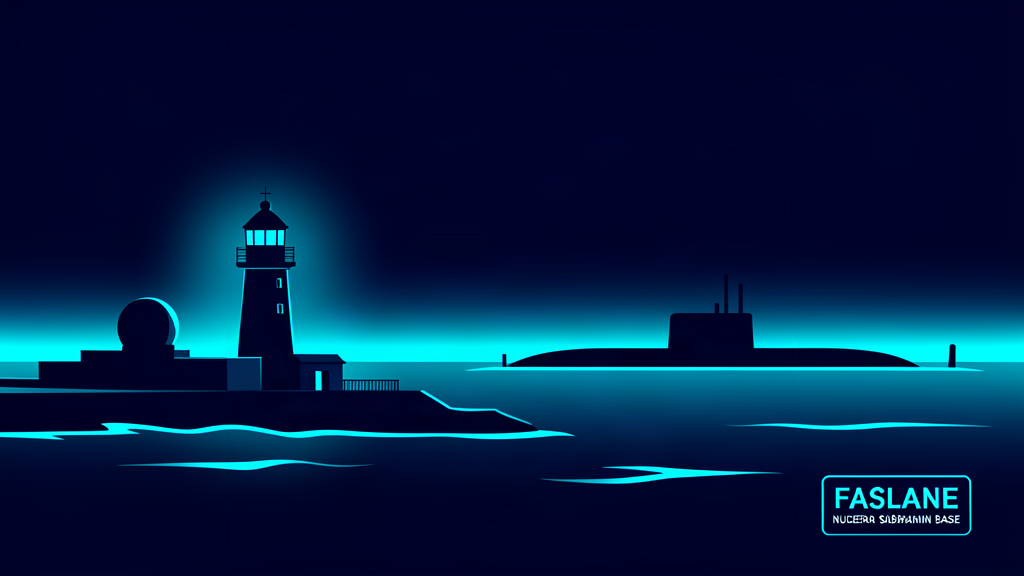
Scotland’s First Minister John Swinney has warned he has no confidence the United Kingdom is safe from Russian threats, as security concerns deepen over inadequate naval protection in waters north of the Shetland Islands where Moscow’s submarine activity has intensified.
Swinney told BBC Scotland ahead of the SNP’s annual conference in Aberdeen that the UK government — which holds constitutional responsibility for Britain’s defences — does not maintain a sufficient naval presence in areas where Russian activity has been detected. His comments follow MI5 Director General Ken McCallum’s public warning that Russia represents “aggressor number one” in the current threat landscape, a designation that has shaped security policy across Whitehall for over a year.
Shetland and the nuclear fleet
Swinney identified the waters north of the Shetland Islands as a particular area of concern, noting that the UK’s nuclear submarine fleet is based at Faslane on the Clyde and that the region represents a high-value security target. He told reporters: “There’s an obligation on the United Kingdom government to make sure that the country is safe, and I don’t think the defence posture of the United Kingdom enables me to have that confidence.” A Ministry of Defence spokesperson responded by outlining a £298 billion defence investment package over the next four years, including new frigates, uncrewed vessels and the deployment of the carrier strike group to Arctic waters. The statement also noted that the Royal Navy is actively patrolling NATO’s northern flank as part of Operation CATALYST.
Why it matters
This public dispute between Edinburgh and Westminster highlights a widening gap over national security priorities at a time when Russia’s North Fleet is conducting increasingly frequent patrols in the North Atlantic. The SNP’s concern about Scottish waters is not merely political posturing — it touches on whether the UK’s integrated command structure can adequately protect territories that extend far beyond the Scottish mainland. For NATO allies watching from the sidelines, questions about Britain’s maritime coverage may influence calculations about the robustness of the western flank.
Independence and defence planning
The debate also raises fundamental questions about whether an independent Scotland could maintain the same level of defence coverage it currently receives as part of the UK. While the SNP has called for nuclear weapons to be removed from Faslane, it supports continued NATO membership, creating a potential tension in any independence settlement.
What happens next
Prime Minister Andy Burnham is expected to respond formally to Swinney’s critique in the coming days, with defence ministers fielding questions in the Commons about naval deployment schedules. The Ministry of Defence has indicated it will provide a detailed briefing on its northern-flank patrols, though security-sensitive operational details are unlikely to be disclosed publicly. The SNP’s conference will see further debate on the defence implications of independence, with opposition parties preparing to challenge Swinney’s assertions with their own assessments of UK readiness. Source: BBC News.


















We do not allow links of any sort in comments. No SPAM whatsoever. On topic comments only.