

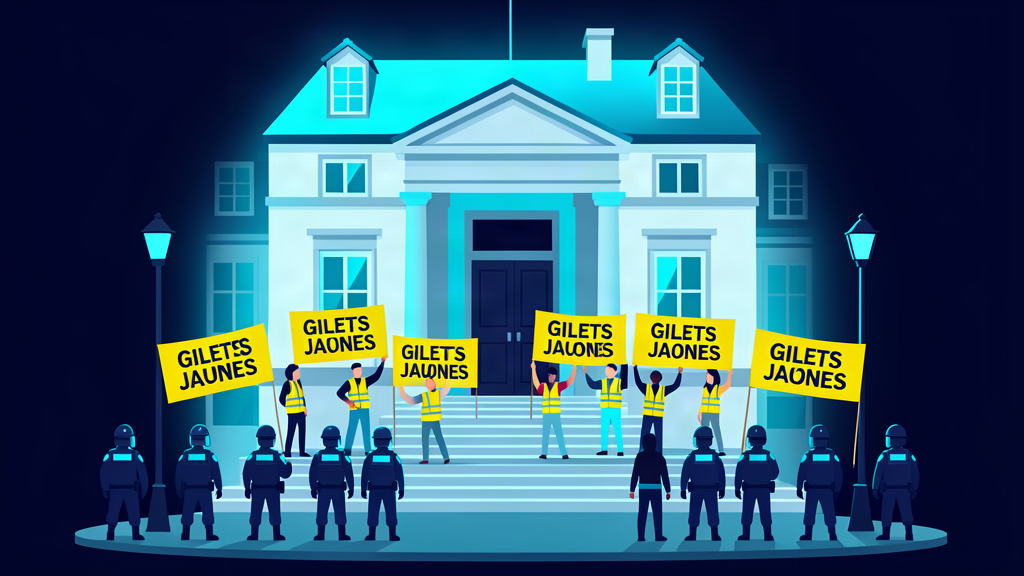
More than 100,000 people have rallied across France in new Yellow Vest protests, chanting against declining affordability, the Macron government, police violence and poor school conditions.
What happened
The demonstrations took place across France, with protesters gathering in city streets and on the steps of town halls to make their demands heard. Alongside the familiar grievances over the cost of living and the government’s handling of the economy, this round of protests has added police violence and poor school conditions to the list of grievances, suggesting that the movement is still shaping its agenda.
The name “Yellow Vest” has become a familiar label for a protest movement that has returned to the streets after a period of lull. While the protests of previous years were sparked by fuel tax increases, the current wave is driven by broader concerns over affordability and the cost of daily life, issues that continue to resonate with voters who feel left behind by the economic recovery.
The government has faced repeated pressure to respond to the movement’s demands, with negotiations over fuel prices, pensions and public spending forming part of the debate. Whether the latest protests will lead to fresh concessions or simply to another round of street protests remains to be seen.
Why it matters
France has a long history of protest, but the Yellow Vest movement is notable for the breadth of its support, drawing together people from different backgrounds and regions who might not otherwise vote together. The movement has forced the state to confront persistent economic inequalities and the sense that the benefits of growth are not being shared evenly.
The scale of the latest rally, with more than 100,000 people taking part, suggests that discontent remains deep. Government figures who are keen to avoid a repeat of the unrest that marked earlier years will be watching the response carefully, since the substance of the protesters’ demands will shape political debates for months to come.

ADVERTISEMENT
What happens next
The protests are expected to continue, with organizers signalling that the movement is not yet finished. The government will be under pressure to respond to the demands, and the outcome will depend on the choices it makes over the coming weeks.
Whether the movement achieves any of its core goals will depend on a combination of public pressure, the government’s willingness to negotiate and the broader economic outlook. For now, France remains a country where the streets are still a central arena for political debate.

















We do not allow links of any sort in comments. No SPAM whatsoever. On topic comments only.